People fear for their lives as Dlamini-Zuma weighs in on South Africa immigration tensions

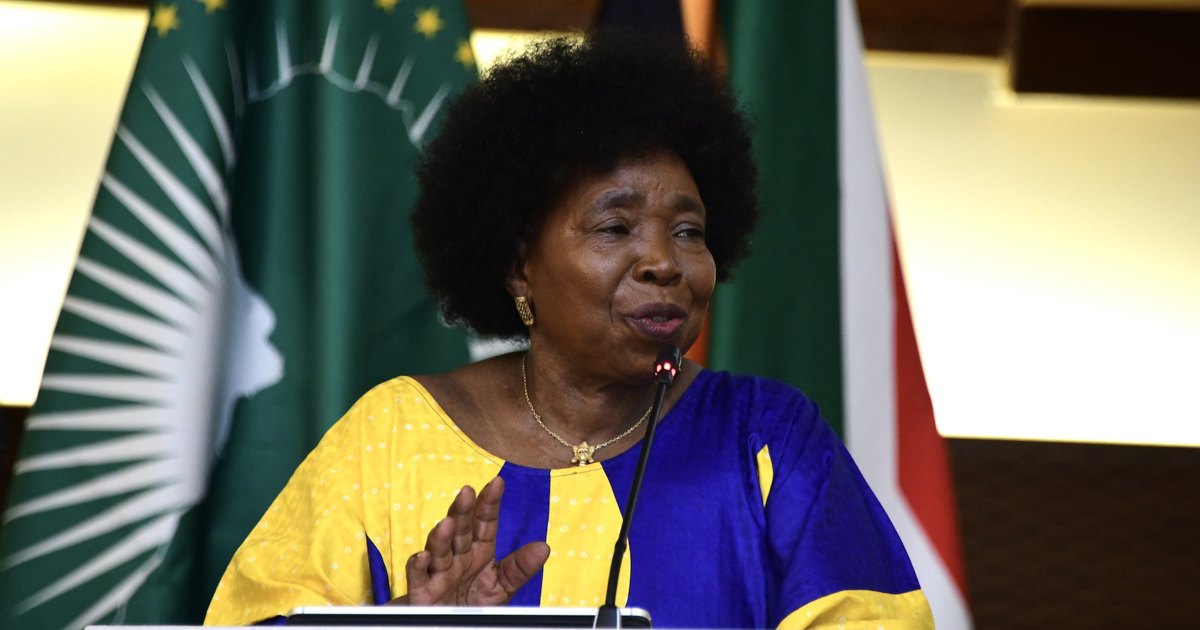
Former African Union Commission Chairperson and former Home Affairs Minister Dr Nkosazana Dlamini-Zuma has warned that rising anti-immigrant sentiment in South Africa is being fuelled by fear, unemployment and undocumented migration, turning an already sensitive issue into a more explosive national debate. Speaking on 702, she said concerns about undocumented migration are legitimate, but cautioned against using foreign nationals as scapegoats for South Africa’s wider economic and social problems.
Her remarks come as demonstrations against undocumented migrants continue in parts of the country, while some Ghanaian nationals are reportedly preparing to leave South Africa over fears for their safety amid mounting hostility. Dlamini-Zuma said the country must confront the issue openly and carefully rather than deepen divisions through blame and anger.


She argued that Africa needs more effective systems to support legal movement across the continent, saying better documentation and regulated migration could reduce illegal immigration and ease tension. She pointed to an African Union protocol on the free movement of people, noting that it has not yet been widely ratified by member states. In her view, the absence of orderly migration channels contributes to confusion, resentment and conflict.
Dlamini-Zuma also highlighted what she described as a disconnect between some South Africans and the rest of the continent. Questioning the common phrase “going to Africa” when people travel elsewhere on the continent, she said South Africa is part of Africa and should not be spoken about as separate from it.
On the issue of unemployment, she rejected the idea that expelling immigrants would solve the problem. She said South Africa’s job crisis would remain even if all foreign nationals left the country, stressing that unemployment has deeper roots. Instead, she called for stronger investment in skills development, entrepreneurship and economic growth.
To illustrate her point, Dlamini-Zuma referred to a recent visit to India, where she observed practical training programmes teaching young people trades such as repairing phones, drones and electric motorbikes. She said South Africa needs a similar “skills revolution” to help young people enter the labour market or start their own businesses.
Her comments also touched on South Africa’s regional role and its historic approach to crises in neighbouring countries. When asked about criticism that the country has sometimes placed continental solidarity above stronger pressure on governments accused of democratic failures, particularly in Zimbabwe, she defended earlier regional engagement efforts and pointed to negotiations that helped bring opposition parties into government during previous political crises.
The interview comes at a time when immigration, border control, crime and unemployment are dominating public debate in South Africa. As protests intensify and threats against foreign nationals grow, Dlamini-Zuma’s warning underscores the political and social risks of allowing economic frustration to turn into xenophobia.