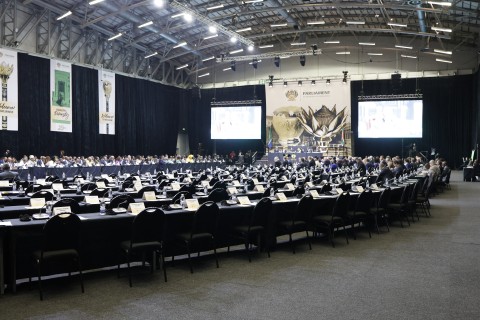
Parliament is moving ahead with the next phase of its inquiry into President Cyril Ramaphosa’s Phala Phala matter after the Constitutional Court ruled in May that lawmakers’ 2022 rejection of the Independent Panel’s Section 89 report was unconstitutional. The court also criticised Parliament for limiting meaningful scrutiny of impeachment motions, saying the process had fallen short of its oversight responsibilities.
The latest step in the parliamentary process is the election of a committee chairperson, which must happen within a fixed time after members are appointed. Once the chairperson is chosen, the committee will also finalise its meeting schedule and decide how evidence will be received and managed during the inquiry.

Ramaphosa is separately challenging the Phala Phala report in the Western Cape High Court. In his legal challenge, he argues that the report’s findings were based on hearsay and that the panel failed to properly apply the law. That court case runs alongside Parliament’s renewed process, adding another layer to an already contested matter.
Committee members have said Parliament must fulfil its constitutional mandate by ensuring accountability throughout the inquiry. They argue that the process should be thorough, transparent, and consistent with the court’s findings. Parliament has said it respects the rule of law and will conduct the inquiry strictly according to legal requirements.
The Phala Phala issue continues to remain a politically sensitive and legally complex matter. It centres on scrutiny of the events at Ramaphosa’s private game farm and the handling of allegations that emerged from the panel’s findings. The Constitutional Court ruling reopened the door for Parliament to revisit the matter after its earlier decision was overturned.
The upcoming committee work will determine how the inquiry proceeds, including the structure of meetings, the timeline for deliberations, and the treatment of documents and witness material. MPs involved in the process are expected to use the committee stage to establish whether further parliamentary action is warranted.
As Parliament prepares to appoint leadership and begin its work, the inquiry is being watched closely as a test of legislative accountability and institutional independence. Supporters of the process say it is an important opportunity to restore confidence in Parliament’s oversight role, while critics continue to question the political and legal implications of revisiting the matter.
The developments signal that the Phala Phala inquiry is entering a more formal stage, with Parliament now tasked with carrying out a court-mandated review of the Section 89 process. The outcome could shape both the future of the inquiry and broader debates about accountability, impeachment procedures, and the balance between legal challenge and parliamentary oversight.