Oil prices climbed on Monday after overnight reports of military action between the United States and Iran unsettled markets, even as President Trump signaled that a deal with Tehran could still be close. Brent crude futures rose 2.8% to trade above $93.50 a barrel, while West Texas Intermediate gained about 3% to reach $90 a barrel. The rebound came after a week of steady declines driven by hopes that Washington and Tehran were nearing an agreement.
The latest surge followed news that the U.S. military struck radar and drone sites in Iran after the Iranian regime reportedly shot down a U.S. drone. That development reignited concern over supply disruptions and broader regional instability, pushing traders back toward safe-haven pricing for crude. The jump also reflected renewed caution after oil markets had recently been betting on de-escalation.
Tensions in the wider region added to the uncertainty. Fighting reportedly resumed in Lebanon between Israel and Hezbollah, the Iran-backed militant group, casting doubt on ceasefire discussions. Iran has insisted that any negotiations involving Lebanon must also account for Israel’s campaign there, making the prospects for a broader regional settlement even less clear.
Last week’s price declines had been tied to reports that U.S. and Iranian negotiators had reached terms for a deal that would reopen the Strait of Hormuz, a vital passage for global energy shipments. Those reports raised expectations that the risk of a major oil supply choke point could ease, sending crude lower. But the downward trend paused over the weekend after reports that Trump wanted stronger concessions from Iran before approving any agreement.
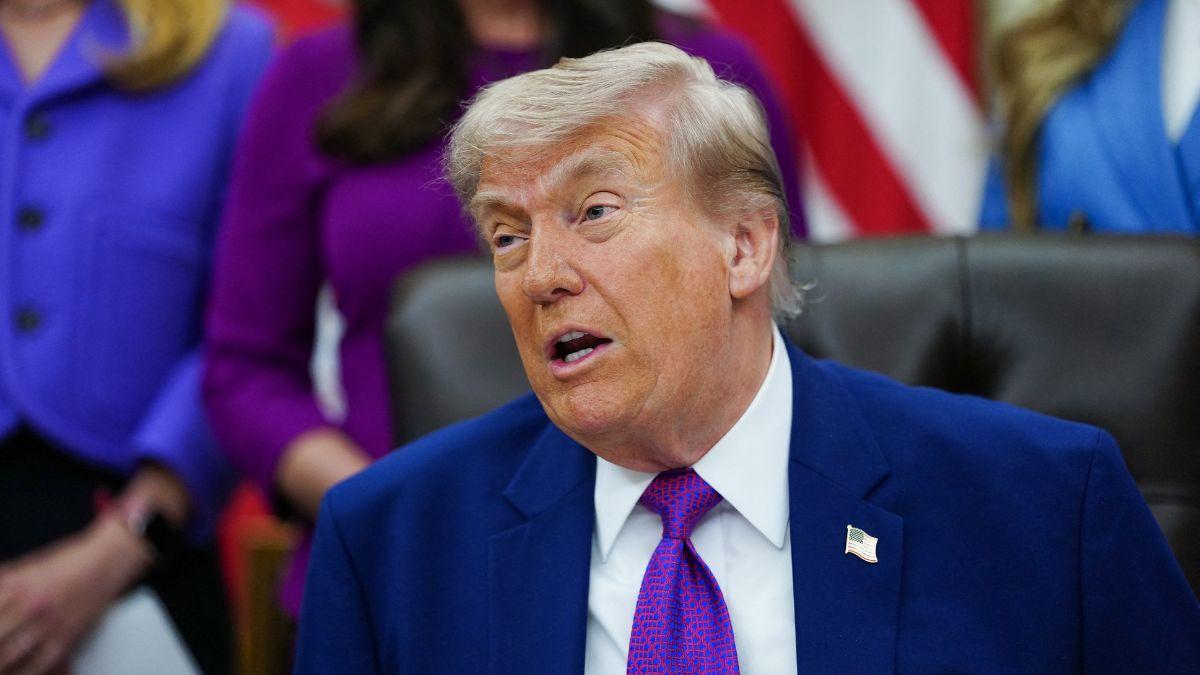
Trump said early Monday that Iranian leadership “wants to make a deal” and suggested the outcome would be favorable for the United States and its allies. His comments left traders uncertain about whether negotiations were truly advancing or if fresh demands could delay progress. That ambiguity kept markets volatile, with oil prices reacting to each new headline about diplomacy or conflict.
The Strait of Hormuz remains central to market concerns because of its importance to global crude flows. According to a report cited Sunday, the U.S. has helped roughly 70 ships exit the waterway over the past three weeks, far below the roughly 120 crossings per day seen before the conflict. The reduced traffic underscores how military and political tensions continue to affect shipping patterns and energy security.
Overall, oil markets remain caught between two competing forces: the possibility of a diplomatic breakthrough that could ease geopolitical risk, and the threat of renewed military escalation that could disrupt supply routes and destabilize the region further.