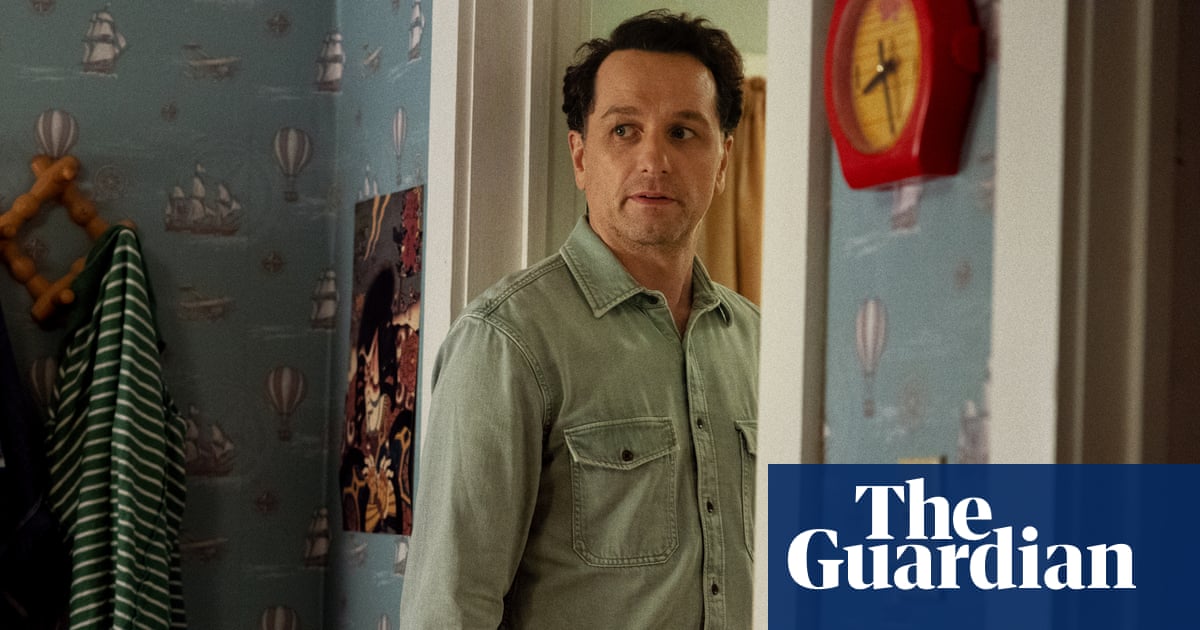
“Widow’s Bay,” which premiered on Apple TV in April, has unexpectedly become a major word-of-mouth hit after initially appearing to be another underseen and underpromoted streaming release. The series, a horror comedy set on a small New England island cursed by a centuries-old supernatural force, has drawn attention for its unusual ability to balance genuine scares with sharp character comedy. Rather than relying on cheap irony or treating the horror as a joke, the show blends unsettling supernatural elements with witty, workplace-style humor in a way that feels unusually seamless.
The story follows a struggling tourist island whose unpopular mayor persuades a New York Times reporter to visit, triggering a flattering article and a surge of tourists. That development is quickly overshadowed by a wave of bizarre and deadly events, including sea hags, killer clowns, masked murderers, and reanimated corpses, all linked to a demonic island-wide entity. The show uses this premise to build both suspense and comedy, as the mayor wrestles with whether to protect the island’s economy or impose strict safety measures.
Created by Kate Dippold, known for “Parks and Recreation,” the series also works as a workplace comedy about local politics and community dysfunction. Supporting characters add to its eccentric energy, including the mayor’s socially awkward assistant, a gloomy prophet played by Stephen Root, and a detached shaman played by Chris Fleming. The ensemble is a major part of the show’s appeal, giving the supernatural chaos a grounded and often very funny emotional core.
Matthew Rhys leads the cast in a performance that leans into fear, confusion, and rising dread, far from his usual serious roles in dramas such as “The Americans” and “Perry Mason.” His reactions to the strange events around him are highlighted as one of the show’s most effective comic devices. Kate O’Flynn, as the mayor’s assistant, is also singled out as a standout, bringing a mix of frustration, vulnerability, and deadpan expression to the role. Her performance is especially memorable in an episode centered on an attempt to throw a party in hopes of improving her standing with the island’s residents.
The series is praised for taking familiar sitcom and horror setups—such as parties, haunted inns, mushroom trips, and awkward social encounters—and making them feel fresh by anchoring them in a genuinely threatening supernatural world. Direction by Hiro Murai is credited with helping the show maintain a tone that is eerie without becoming corny, drawing on his experience with projects like “Atlanta” and “Barry.”
While some viewers have compared “Widow’s Bay” to “Twin Peaks,” “Stranger Things,” and “Severance,” the show is described as distinctive enough to stand on its own. Its growing popularity suggests it could become one of the most talked-about television series by the time the finale arrives.