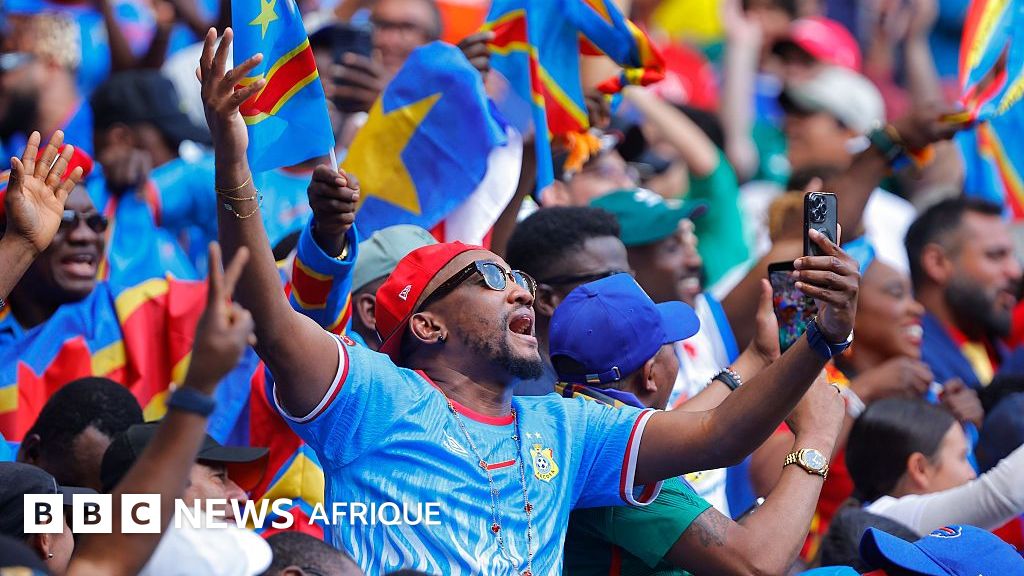
The Democratic Republic of Congo has asked FIFA to refund supporters who bought World Cup 2026 tickets but can no longer enter the United States because of travel restrictions linked to an Ebola outbreak. The request comes as the country’s national team, the Leopards, prepare for their first World Cup appearance since 1974, a return that many in Congo see as a historic sporting revival.
The outbreak was declared a public health emergency by the World Health Organization on May 16, after more than 900 suspected Ebola cases and 223 suspected deaths were reported across central and eastern Africa, with the vast majority in the Democratic Republic of Congo. In response, the United States suspended visa services at its embassy in Kinshasa and barred entry to non-Americans who had traveled to the DRC, Uganda or South Sudan in the previous 21 days. Although the WHO did not recommend travel bans, the measures mean many Congolese fans who had planned to attend matches in the U.S. now face major disruption.
 "Shiloh Jolie Turns 20: How Her Style Has Evolved Over the Years")

Veron Mosengo-Omba, president of the Congolese football federation, said the country had asked FIFA to consider refunds because the tickets were expensive. FIFA told the BBC it would review the issue in due course. Its usual policy is to allow tickets to be resold or transferred rather than refunded, except in exceptional circumstances such as match cancellations.
The Leopards’ group-stage fixtures add to the challenge. Their opening match against Portugal will be played in Houston on June 17, requiring fans traveling from the DRC to leave by Tuesday to satisfy U.S. entry rules. Their second game against Colombia will take place in Guadalajara, Mexico, which could become the main destination for supporters whose U.S. plans are now blocked. Their final group match against Uzbekistan will be held in Atlanta, giving fans a chance to return to the United States only if travel rules and health requirements allow.
The team itself is not affected by the restrictions. Most of the 26-man squad, along with much of the technical staff, is based outside the DRC. Officials from Congo have already left the country to meet the 21-day quarantine requirement. The team had to cancel a pre-tournament camp in Kinshasa and is now gathering in Belgium for friendly matches before heading to Texas.
Mosengo-Omba described the World Cup return as a “resurrection” of football in the country, noting that the DRC was the first sub-Saharan African nation to play at a World Cup when it competed as Zaire in 1974. He said the team’s success has lifted spirits at home and urged people not to fear Ebola or associate the virus with the whole country.
Health officials, however, say the latest outbreak is particularly difficult to contain. It involves the rare Bundibugyo strain, for which no vaccine is currently available. Combined with distrust in affected communities and ongoing conflict in eastern Congo, the outbreak has made response efforts harder and now threatens to overshadow one of the most anticipated moments in Congolese football history.