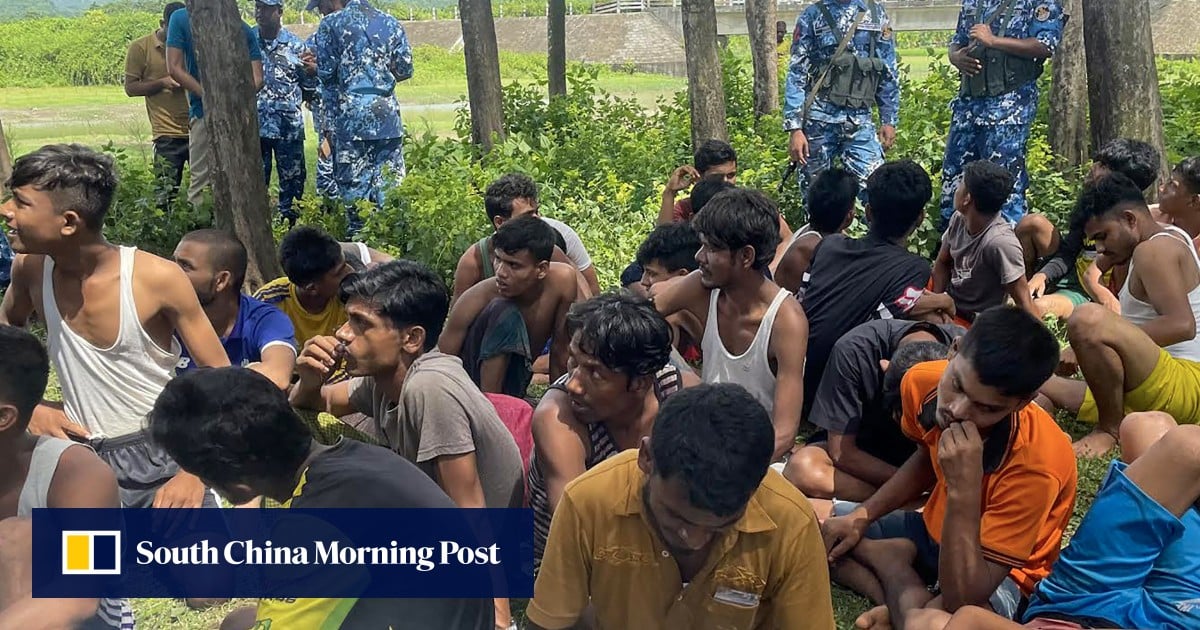
Malaysia’s human rights groups are warning of increasing hostility toward Rohingya refugees after a petition circulating widely on social media called for the community to be “removed” from the country and drew nearly half a million signatures. The petition has intensified debate over refugee policy, public sentiment, and the treatment of one of the world’s most vulnerable displaced populations.
The petition was launched on Change.org late last month by an account using the name “Aku Anak Malaysia.” It asks the Malaysian government to consider resettling Rohingya refugees in another country or to provide what it describes as “enhanced support in their home regions” in Myanmar. The campaign argues that the presence of Rohingya refugees has created a “growing strain on resources, infrastructure and social services,” while also contributing to “security concerns” and fear among local communities.

By Monday morning, the petition titled “remove Rohingya from Malaysia” had gathered more than 424,000 signatures, according to the report. That figure marked a sharp rise from around 280,000 signatures recorded by one rights group the previous week, showing how quickly the campaign has spread online and how strongly it has resonated with some sections of the public.
The growing support for the petition has raised alarm among rights advocates, who say the language used could deepen prejudice and make life even harder for Rohingya refugees already living in difficult conditions. Human rights groups have long argued that the Rohingya face discrimination, insecurity, and limited access to work, education, and healthcare in many places where they have sought safety after fleeing violence in Myanmar.
The petition’s backers say Malaysia must put the welfare and stability of its own citizens first, while still seeking a humane solution for refugees. It states that the current approach is “unsustainable,” reflecting concerns among supporters that Malaysia cannot continue absorbing the social and economic pressures linked to refugee arrivals without greater international support.
The controversy highlights a wider regional challenge. Malaysia has not signed the 1951 Refugee Convention, and Rohingya refugees in the country often live without formal legal status. Many depend on informal work, charity, or aid networks, leaving them vulnerable to exploitation and arrest. As public frustration grows, rights groups fear that online campaigns like this one could encourage stigma and hostility toward an already marginalized community.
For Rohingya refugees, the debate comes at a time when their long-term future remains uncertain. Many fled Myanmar after decades of persecution and, in some cases, mass violence. Yet return remains unsafe for many, and resettlement options are limited. That leaves countries across the region facing a difficult balancing act between domestic political pressure and international humanitarian obligations.
The petition’s rapid spread underscores how refugee issues have become increasingly politicized in Malaysia. It also shows the power of social media to amplify hardline messaging, even as human rights groups call for restraint, compassion, and solutions rooted in international protection standards.