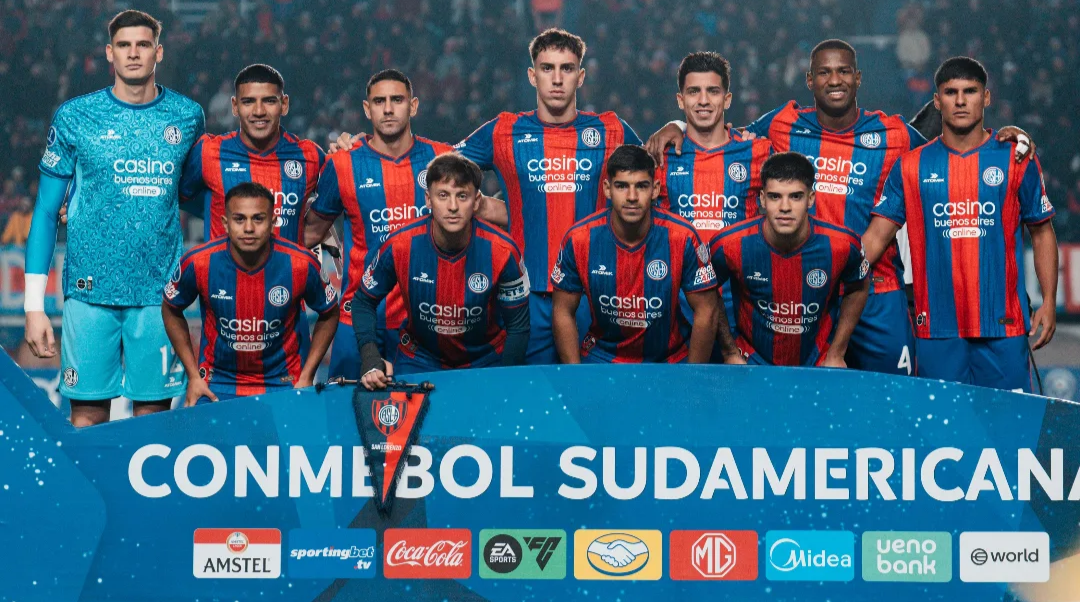
San Lorenzo de Almagro’s first half of the year was marked by constant change, mixed results, and a major shift in coaching. The club from Boedo went through a turbulent stretch shaped by institutional pressure, inconsistent league form, and the urgent need to rebuild a clear playing identity. Throughout the Torneo Apertura, the team showed two distinct sides: in several matches, poor finishing in the final third cost them wins that seemed within reach, leaving them with frustrating draws that slowed their progress in the standings. Even so, defensive organization and a strong collective attitude remained key strengths, helping the team compete in difficult moments.
The cycle began under Damián Ayude, who tried to build a balanced and competitive side. His team earned important victories, including a hard-fought away win over Gimnasia de Mendoza, where good game management and a decisive goal from Diego Herazo made the difference. But consistency never fully arrived. Ayude’s staff had to deal with a series of serious injuries that disrupted the spine of the squad, including important absences such as Gastón Hernández and Pocho Cerutti. Those setbacks forced constant tactical adjustments and accelerated the integration of new players. His tenure ended abruptly after a heavy 5-2 loss to Defensa y Justicia at Nuevo Gasómetro, a decision that reflected the club’s growing sense of urgency.


After Ayude’s departure, reserve coach Alan Capobianco took temporary charge. His first challenge came in the Copa Argentina against Deportivo Rincón, a match that became essential to restore confidence after the poor league display. With several players unavailable through injury, the interim staff made significant changes to the lineup. Rodrigo Auzmendi was one of the main bets after impressing with a key double off the bench, while experienced players such as Luciano Vietto and Nicolás Tripichio helped control the midfield. San Lorenzo handled the situation well, advanced to the round of 16, and gave the club a much-needed boost while the board searched for a permanent coach.
That search ended with the hiring of Gustavo Álvarez, who arrived after a successful recent spell with Universidad de Chile. In his presentation, he stressed the goal of building a brave, offensive, and protagonist team that supporters could identify with. His first matches showed that intention, with a high press and a willingness to take risks. However, results also reflected the natural adjustment period. A clear example was the 0-0 draw with Newell’s Old Boys in Rosario, a match in which San Lorenzo controlled much of the play and created the clearest chances through Alexis Cuello and the creativity of Perrito Barrios. Jhohan Romaña’s solidity in defense helped keep a clean sheet, but finishing problems again prevented a deserved victory.
Looking ahead, the club’s main continental goal is the Copa Sudamericana, where it shares Group D with Santos, Deportivo Cuenca, and Recoleta. The tournament offers prestige and a chance to strengthen Álvarez’s project. Domestically, San Lorenzo’s schedule was also affected by the postponement of its Copa Argentina clash with Deportivo Riestra. The second half of the year now brings a clear challenge: improve squad depth, sharpen the attack, and turn promising ideas into results.