Malta is emerging as a rising Mediterranean destination for travelers seeking sun, culture and design beyond the region’s more familiar hotspots. Positioned between Sicily and Tunisia, the archipelago blends layered history with a modern luxury identity shaped by restored palazzos, boutique hotels, fine dining and a growing contemporary art scene. With more than 340 days of sunshine a year, Malta is increasingly promoted as a year-round escape for visitors who want coastal beauty without the density of better-known island destinations.
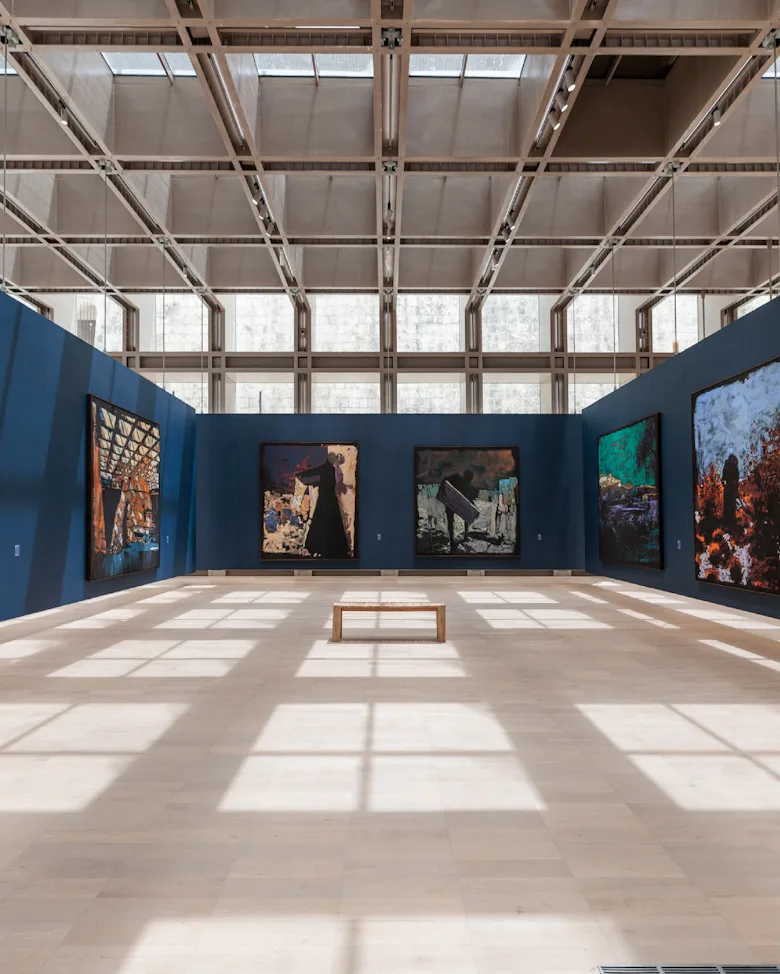
The island’s cultural appeal is centered on a fast-expanding art ecosystem. While Malta is traditionally associated with baroque architecture and historic fortifications, contemporary art spaces are drawing new attention. The Malta International Contemporary Art Space has become a key destination, with planned additions including a sculpture garden and design and architecture annex. Other important venues include Valletta Contemporary, Axis Gallery and Spazju Kreattiv, while the Malta Biennale continues to raise the profile of local and international artists. Maltese artist Matthew Attard, who represented the country at the 2024 Venice Biennale, reflects a broader sense that the island’s creative output is more active and diverse than many outsiders assume.

Fashion and design are also contributing to Malta’s changing image. Charles & Ron remains the best-known Maltese fashion label internationally, while designer Luke Azzopardi is gaining momentum with theatrical couture and an upcoming Paris debut. Across the island, shoppers are turning to local makers for silk accessories, ceramics, homeware and handcrafted goods, with boutiques in Valletta, Rabat and Attard supporting a more confident local design culture. New concept stores are helping position Malta as a destination where heritage and contemporary style intersect.
Dining is another area of rapid growth. Maltese cuisine still centers on traditional dishes such as rabbit stew, pastizzi and imqaret, but the restaurant scene has expanded well beyond village eateries. Fine dining is becoming increasingly prominent, with a focus on sustainability and local ingredients. Michelin-recognized restaurants such as Noni, Le GV and ION Harbour are among the leading names, while new openings are expected to further strengthen the island’s profile. At the same time, traditional restaurants in Valletta, Birgu and Gozo continue to serve local dishes and regional wines, preserving a strong sense of place.
Luxury hospitality is evolving in parallel. The Phoenicia Malta remains one of the country’s most iconic hotels, recently refurbished and still closely tied to Malta’s social and cultural life. Newer properties such as Iniala Valletta, Casa Bonavita and Romègas are bringing design-led stays to historic buildings, while future projects like Six Senses Comino and additional suites at Iniala point to continued growth. These hotels are helping Malta attract travelers interested not only in beaches, but also in architecture, interiors and atmosphere.
Travel access is improving as well, with new direct service from New York helping connect Malta more easily to the United States. Combined with its climate, heritage and expanding creative scene, Malta is positioning itself as a distinctive Mediterranean destination that offers both history and modern style throughout the year.