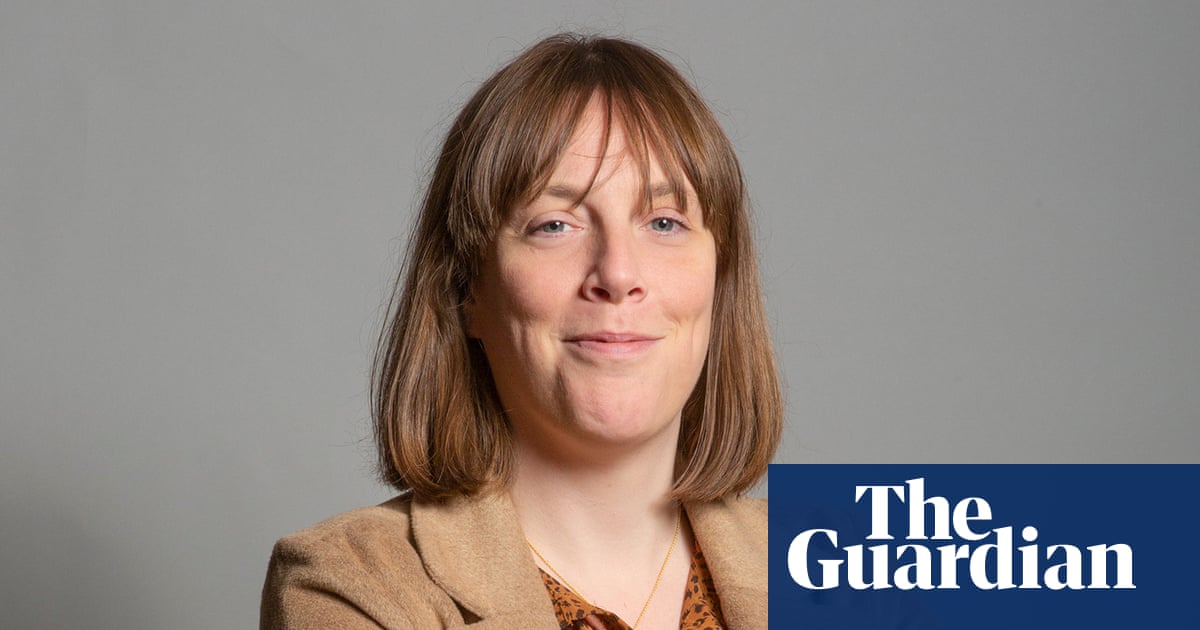
Labour MP Jess Phillips has criticised her party’s long record on female leadership, saying it has been “a bit sexist” for never electing a permanent woman to lead it. Speaking at the Hay literary festival, Phillips said Labour, like many institutions, is shaped by “the patriarchy,” and questioned why the party has never had a UK-wide female leader despite its long history. She noted that Margaret Beckett and Harriet Harman only served as acting leaders, while the Conservatives have had three female prime ministers.
Her comments come at a time of heightened uncertainty inside Labour. Phillips resigned on 12 May as minister for safeguarding and violence against women and girls, one of four ministers to step down that day after losing confidence in Prime Minister Keir Starmer. Health Secretary Wes Streeting followed on 14 May, deepening speculation about possible leadership tensions.


A future leadership contest would likely be shaped by prominent figures on different wings of the party. Andy Burnham is seen as a leading contender if he wins the Makerfield byelection on 18 June, while Streeting is viewed as a rival from the right. Angela Rayner, who was cleared by HMRC earlier this month over her tax affairs, was seen by some as a possible candidate, but she has not said she intends to run and has said she will campaign for Burnham in the byelection. Phillips said she hoped for “wild cards” in any contest and suggested the biggest uncertainty would be whether Starmer himself chose to stand.
Phillips also pointed to the wider picture across Labour-affiliated parties. While UK Labour has never elected a permanent female leader, Scottish Labour has been led by three women: Wendy Alexander, Johann Lamont and Kezia Dugdale. In Wales, Eluned Morgan recently led Welsh Labour and served as first minister.
During the Hay panel, Phillips described Labour’s current position as “terrible” and “heart-wrenching,” though she also framed the politics around leadership and succession as partly driven by what matters most to the country. She said she would travel to Makerfield to campaign for Burnham, and argued that politics should be about securing the “right outcome,” even when that means supporting a potential future rival.
She rejected the idea that female leadership automatically improves outcomes for women, saying her own experience under Liz Truss had been costly, as her mortgage rose sharply during Truss’s premiership. Phillips also argued that the reputation of Starmer as a “good guy” should not be dismissed, saying decency in politics is important and not something Britain has always had.
Phillips criticised what she called the “anti-politics” tone of both the Greens and Reform UK, saying the two parties sounded similar in their attacks on the system. While she said she agreed more with the Greens ideologically, she argued that it is easy to attack politics without offering practical solutions.