A fund manager has issued a sharp warning that Bitcoin’s recent weakness could deepen if upcoming U.S. Treasury operations drain about $150 billion in liquidity from the financial system. Michael Kramer, founder and CEO of Mott Capital Management, said Bitcoin often acts as one of the clearest indicators of market liquidity and may fall further if Treasury payments continue to absorb cash from investors and banks.
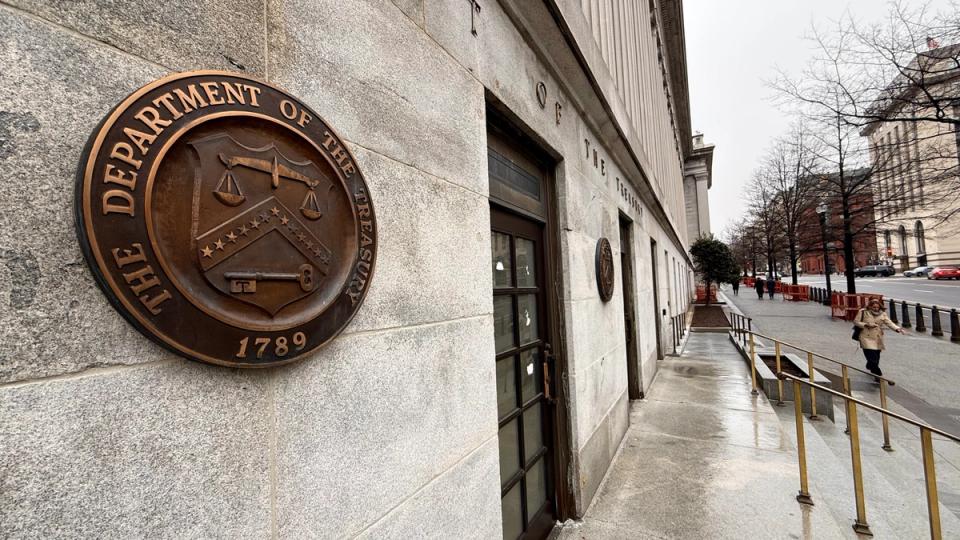
The U.S. Treasury raises money by selling bills and notes to fund government spending. When investors buy these securities, cash moves into the Treasury’s account at the Federal Reserve, which removes money from the banking system and reduces the amount of liquidity available for other investments. According to Kramer, the Treasury’s transactions between May 28 and June 5 could create a substantial temporary liquidity drain.


His estimate includes about $15 billion in T-bill settlements on Thursday, $47 billion in coupon settlements on Friday, $68 billion on Monday, and $16 billion in Treasury note settlements on Tuesday. An additional T-bill settlement on June 4 is expected to remove another $5 billion to $15 billion. Together, these moves could total roughly $150 billion in withdrawn liquidity over a short period.
Markets such as stocks and cryptocurrencies often perform better when cash is plentiful. When liquidity tightens, investors typically become more cautious and reduce exposure to riskier assets, including Bitcoin. Kramer said this dynamic may help explain the recent pressure on crypto prices.
Bitcoin has already shown signs of strain. The token fell about 11% from highs above $82,500 earlier in the month and was trading near $73,000 at the time of publication. Kramer pointed to the break below key support around $75,000 as evidence that liquidity conditions are becoming more restrictive. He said this does not guarantee a larger decline, but it does suggest the market is reacting to a tougher funding environment.
The analysis highlights a broader point often overlooked by crypto investors: Bitcoin does not trade in isolation. Large macroeconomic forces, including government borrowing, Treasury cash flows, and overall money availability, can have a significant impact on price action even when there is no major crypto-specific news.
For everyday investors, the message is that Bitcoin’s direction may be influenced as much by liquidity conditions in the broader financial system as by developments inside the digital asset market itself. When Treasury operations absorb cash from circulation, risk appetite can weaken across markets, and Bitcoin may be among the first assets to reflect that shift.



/https://s04.video.glbimg.com/x720/14640883.jpg "Antonelli Wins in Canada After Russell Breaks Down; Bortoleto Finishes 13th")