A week without checking a weather app reveals how deeply forecasts shape everyday choices, from clothing and travel to mood and social plans. The writer describes a familiar dependence on app-based weather information, including hourly breakdowns, rain probabilities, wind, and “feels like” temperatures, and admits to comparing one app against another in search of reassurance. That habit, while seemingly practical, can become compulsive and anxiety-inducing, especially when a single headline icon or percentage influences whether a person leaves home at all.
The piece argues that weather apps can distort perception by encouraging people to focus on broad daily symbols rather than the more useful hourly forecast. Businesses such as outdoor attractions have complained that a raincloud icon can deter visitors even when rain is unlikely during the specific time they plan to attend. A survey cited in the article found that many people check only the top-line symbol, and that a majority would alter plans if they saw a 40% chance of rain, even though the day may still be mostly dry. The article suggests that app design may contribute to a “wet bias,” making users more risk-averse than the weather warrants.


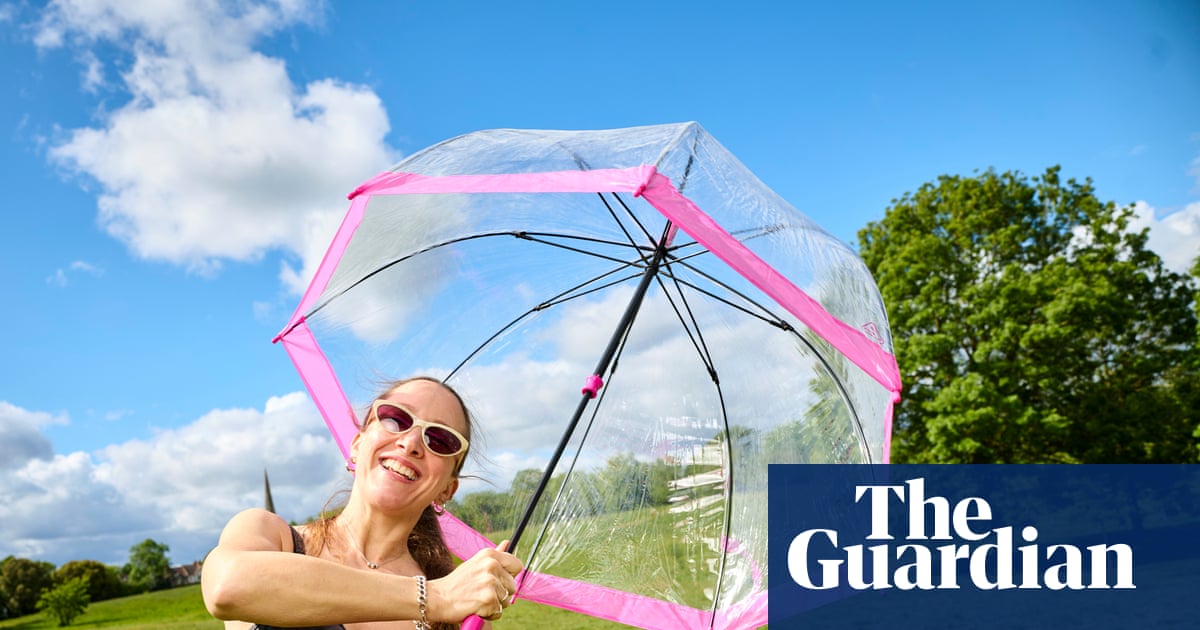
Across the week-long experiment, the author repeatedly finds that direct observation of the sky, temperature, and wind can be enough to make sensible decisions without relying on constant app checks. On sunny days, this approach leads to unexpected pleasures: sitting outdoors, enjoying shifting cloud cover, or discovering that a planned outing is comfortable after all. On colder or wetter days, the author still copes by layering clothing, carrying a brolly, or accepting a brief shower without panic. The result is a more relaxed and spontaneous relationship with the day.
Experts quoted in the article say that some weather checking is rational, because people need to plan, but that the problem begins when forecasts are treated as absolute. Psychologist Trevor Harley argues that it is better for mental health to experience weather directly than to stay indoors staring at a screen. He also notes that weather apps can create an illusion of control in a world that already feels uncertain. A Met Office spokesperson explains that many apps simplify complex forecasts into a single icon, which can hide important detail. Radar maps and hourly breakdowns are more informative, especially because showers are often difficult to predict precisely.
The article also highlights how forecast accuracy varies by place and by app, and how local geography can make predictions difficult. Even good forecasts can miss the exact spot where a shower or hailstorm develops. By the end of the week, the writer concludes that abandoning the app can be freeing, though not entirely permanent: for a major trip to London, the temptation to check returns. The final lesson is that weather apps are useful, but overreliance on them may cost people spontaneity, confidence, and some of the simple joy of being outside.