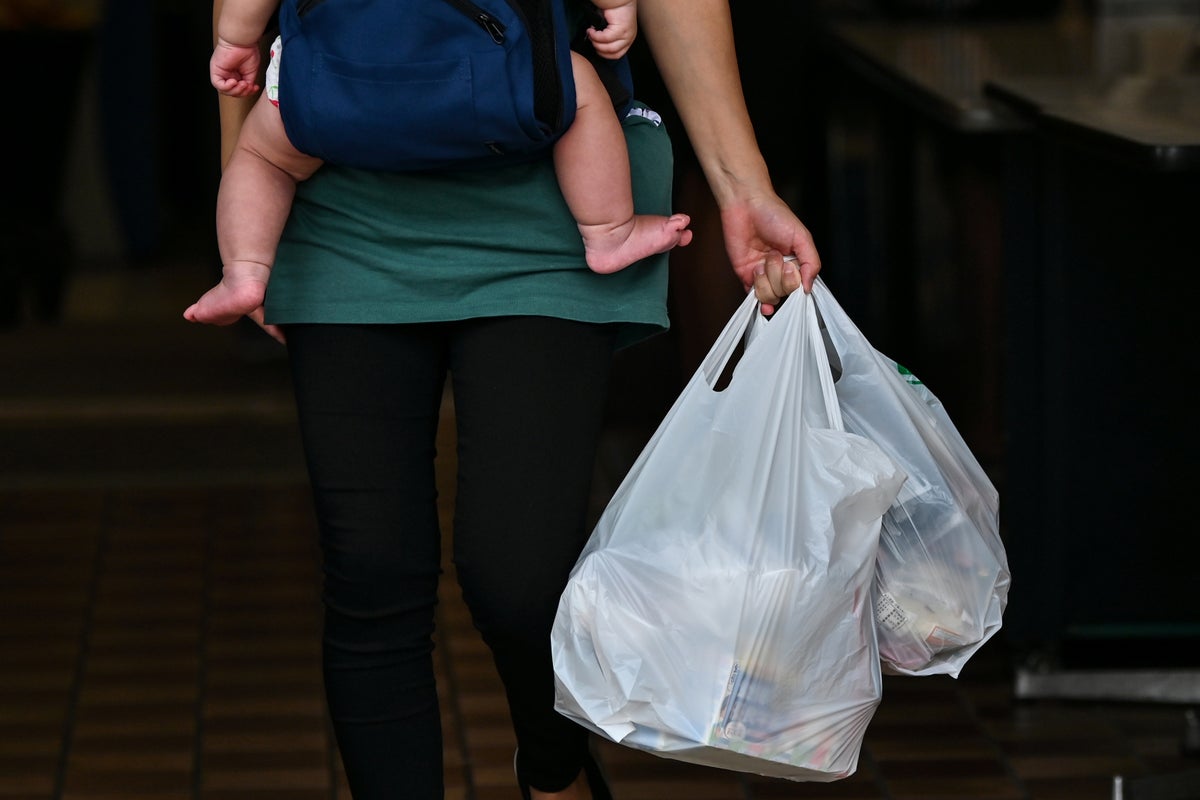
Soft, stretchy plastics such as grocery bags, bread bags, bubble wrap, and plastic packaging are one of the most difficult forms of waste to manage because they are widely used, hard to recycle, and can remain in landfills for hundreds of years while breaking down into microplastics. In the United States, millions of tons of plastic bags, sacks, and wraps were sent to landfills in 2018, highlighting the scale of the problem.
Experts say the first step is to identify plastic films, which are flexible plastics rather than rigid containers. Many are marked with recycling numbers 2 or 4, meaning they are made from polyethylene and can often be taken to special drop-off bins at grocery stores or other designated collection sites. However, the recycling number does not mean the item belongs in curbside recycling. Placing plastic film in household recycling bins can jam machinery, slow operations, and contaminate other recyclables.


Not all soft plastics are the same. Some, such as meat wrap and multilayer packaging, are made from several different layers of plastic and are much harder to recycle. Because of this, experts warn against “wishcycling,” or tossing questionable items into recycling in the hope that they will be processed. Instead, clean and dry plastic bags and films should go to store drop-off programs when available.
Collected plastic films are often sent to companies that turn them into new products such as outdoor decking. Some organizations also reuse donated plastics for art projects, repair materials, or handmade goods. In addition, local reuse centers and community groups may accept clean plastic donations for repurposing. In some cases, people can even reuse plastic at home, such as turning grocery bags into yarn or reusing them as liners and storage bags.
Specialists stress that reducing plastic use is just as important as recycling it. Shoppers can choose reusable bags, buy products with less packaging, purchase loose produce instead of pre-wrapped items, and shop locally or secondhand to cut down on shipped goods wrapped in plastic. Even when plastic wrap is necessary for food safety, small decisions can still reduce waste.
Reusing bags multiple times before discarding them is another practical way to lower environmental impact. Experts say that while no solution is perfect, small changes in how people use, sort, and reuse plastic films can make a meaningful difference in reducing pollution and easing pressure on recycling systems.


