The 2025-26 season has ended across Europe’s five major leagues, but football clubs remain active off the pitch as they continue building their global presence on social media. In its latest weekly letter, the CIES Football Observatory published a ranking of clubs worldwide based on the number of followers they have across the main social platforms: Facebook, Instagram, TikTok, YouTube and X. The list highlights how digital influence has become a key part of modern football branding, with clubs competing for visibility far beyond their home markets.
At the top of the global ranking is Real Madrid, which leads comfortably with 488 million followers across the major platforms. Barcelona follows in second place with 442 million, confirming the dominance of Spain’s two biggest clubs in online popularity. Manchester United is third with 239 million followers, while Paris Saint-Germain sits in fourth place with 208 million. PSG’s strong position reflects its growing international profile in recent years, including back-to-back Champions League final appearances.

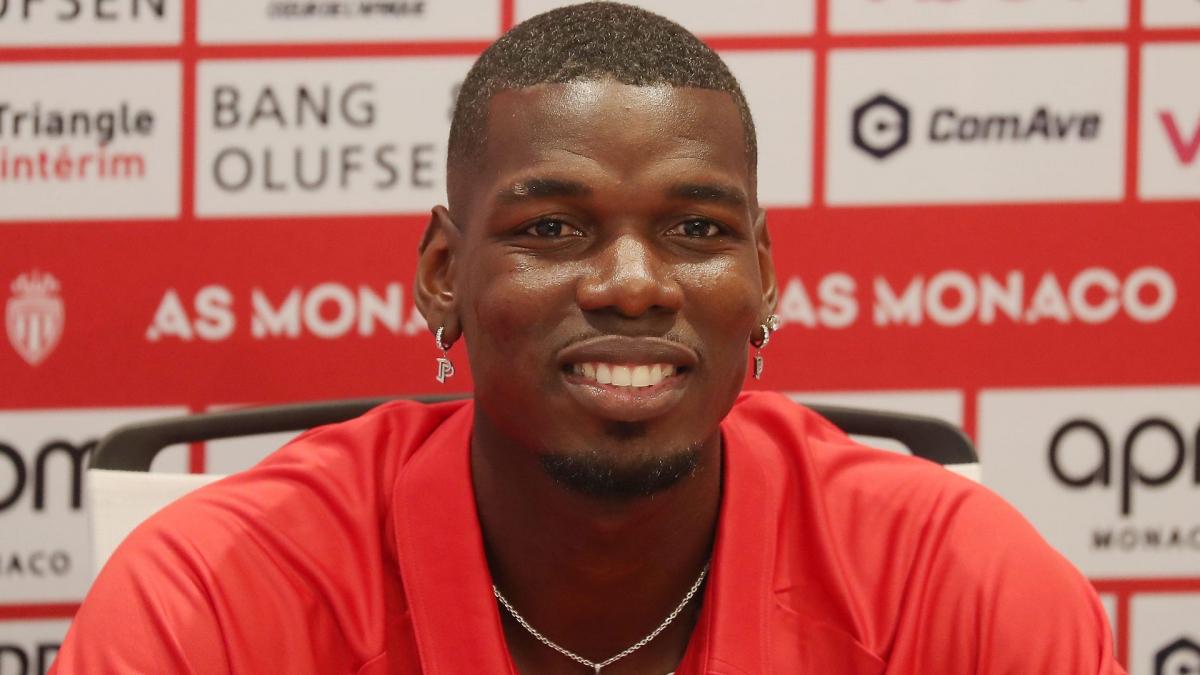
One of the most notable surprises in the ranking comes from the French Riviera. AS Monaco is placed ahead of Olympique de Marseille, despite Marseille’s much larger historical profile and passionate fan base. Monaco has 25 million followers, narrowly ahead of Marseille’s 23.8 million. The difference is small, but it stands out because Marseille is one of the most storied clubs in French football and has long been considered one of the country’s most visible teams.
The ranking underscores how social media has become a major battleground for football clubs seeking influence, commercial reach and global recognition. Success on the pitch remains important, but follower counts now offer another measure of a club’s stature and marketability. Clubs such as Real Madrid, Barcelona and Manchester United continue to dominate due to their enormous international audiences, while PSG has climbed into the elite group through recent sporting success and a strong digital strategy.
For clubs like Monaco and Marseille, the figures show that online presence can sometimes produce unexpected comparisons. Monaco’s narrow advantage over Marseille is a reminder that social media growth does not always mirror traditional football prestige or domestic support. It also reflects the changing nature of club identity in the digital age, where content strategy, international appeal and platform engagement can influence global reach as much as trophies and stadium atmosphere.
The CIES ranking offers a snapshot of football’s expanding digital economy at a time when clubs are increasingly judged not only by results, but also by their ability to attract attention worldwide.