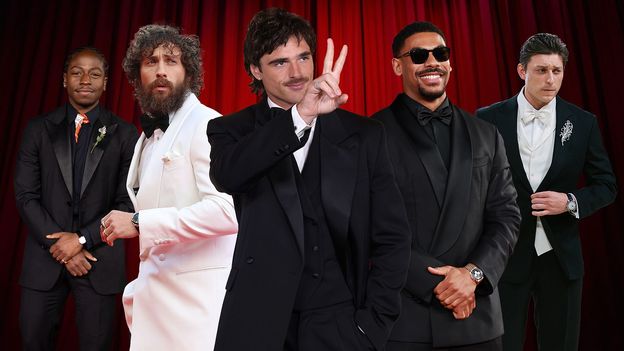
The ongoing debate over who should play James Bond has taken on a familiar boundary: an American actor, no matter how convincing the accent, is still seen by many as a step too far. Austin Butler, the Californian actor often mentioned in casting speculation, recently ruled himself out for that reason, describing the idea of an American Bond as “sacrilegious.” That reaction reflects a wider consensus among Bond fans and industry figures who believe the character’s identity is too closely tied to Britain to be credibly reimagined as American.
Bruce Feirstein, a screenwriter who worked on three Bond films, says he agrees with Butler’s view. Speaking to the BBC, he argued that Bond’s international appeal depends in large part on the fact that he is not American. In Feirstein’s view, the character’s distinctiveness comes from being rooted in a British cultural tradition, even as he has become a global icon. Bond’s nationality is not simply a background detail; it is central to how audiences understand the character.


The discussion also highlights the historical reasons Bond became such an enduring symbol. Bond emerged in the post-war period, when Britain was adjusting to a new world order and the growing influence of the United States. His polished manners, military precision, and espionage skills helped present an image of British sophistication and capability at a time when American culture was becoming more dominant internationally. In that sense, Bond was never just entertainment. He was also a statement of identity.
That is why the suggestion of an American actor in the role can provoke resistance. For many, Bond is not interchangeable with other action heroes. He carries the weight of a specifically British myth: the tuxedoed intelligence officer, the controlled demeanor, the dry wit, and the sense of old-world style. An American version, critics argue, could lose the contrast that makes the character compelling. The idea may seem arbitrary, but it rests on decades of audience expectation and cultural association.
At the same time, the debate shows how Bond continues to evolve as a franchise. Each new casting cycle invites questions about tradition, reinvention, and how far the series can stretch before it stops feeling like Bond. While actors from Ireland or Australia have long been considered acceptable, an American lead appears to cross an unspoken line. That distinction reveals how national identity remains woven into the franchise’s global success.
For now, the conversation around Bond casting appears to be less about individual talent than about symbolism. An actor can master the accent, the mannerisms, and the style, but for many fans and creators, Bond must still feel unmistakably British. That expectation continues to shape the future of one of cinema’s most recognizable characters.