Texas Attorney General Ken Paxton defeats Senator John Cornyn in Texas Senate primary runoff

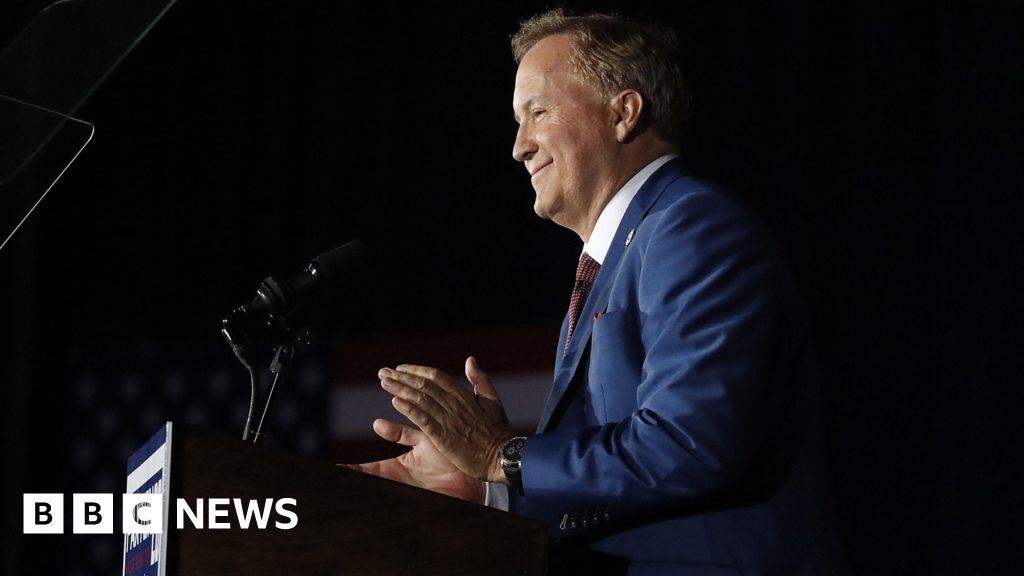
That endorsement never came. Ken Paxton, despite years of personal and political scandals, has remained popular with Donald Trump’s populist base in Texas. He has built his campaign around a sharp attack on Senator John Cornyn, portraying the 74-year-old incumbent as too old, too cautious, too tied to the political establishment, and too disconnected from Texas conservatives.
Paxton’s message is aimed squarely at Republican voters who want a more confrontational, anti-establishment figure. By casting Cornyn as a symbol of the GOP’s traditional leadership, Paxton is trying to frame the race as a choice between a hard-right outsider and an aging insider. His campaign strategy relies on the argument that Cornyn no longer reflects the priorities of the party’s most energized voters in Texas.


The lack of an endorsement from Trump complicates Paxton’s effort, but it does not erase the influence he has with the former president’s most loyal supporters. Paxton has long been seen as aligned with the populist wing of the Republican Party, and his supporters view him as willing to take on the party establishment in a way Cornyn has not.
Cornyn, meanwhile, is being challenged not just on policy but on identity and style. Paxton’s criticism of his age and temperament is designed to tap into broader dissatisfaction among some conservatives who want Republican leaders to be more aggressive in fighting Democrats and resisting compromise. The attack also reflects a generational and ideological divide inside the Texas GOP, where loyalty to Trump-style politics remains a powerful force.
The race highlights the tension between establishment Republicans and the movement conservatives who have transformed the party in recent years. Cornyn’s long Senate career and reputation for pragmatism may appeal to traditional voters, but Paxton is betting that those strengths will be outweighed by voters’ appetite for disruption and ideological purity.
Paxton’s own history of scandal may have damaged his standing with some Republicans, but it has not eliminated his ability to connect with Trump-aligned voters who value combative politics over personal controversy. His campaign appears built on the belief that Republican primary voters are more interested in fighting the party’s internal enemies than in concerns about conduct or political baggage.
For Cornyn, the challenge is to defend not only his record but also his relevance. Paxton’s attack on him as outdated and disconnected is an attempt to persuade voters that Texas Republicans need a new kind of leader, one more closely aligned with the hard-edged politics that dominate the modern GOP.
The contest underscores how deeply Trump’s influence still shapes Republican politics in Texas, even when he does not formally intervene. Whether Paxton can turn that influence into a winning coalition may depend on whether Republican voters prioritize loyalty to the populist movement over concerns about his scandals and the risks of replacing a veteran senator with a more polarizing challenger.




/https://i.s3.glbimg.com/v1/AUTH_da025474c0c44edd99332dddb09cabe8/internal_photos/bs/2026/B/v/WGxyfiQ9WwJOYqppcAaw/arte-2026-05-25t113053.941.png "Caetano Veloso reage ao ouvir nome de Virginia Fonseca e diz: “Sou um alienado”")
:strip_icc()/i.s3.glbimg.com/v1/AUTH_63b422c2caee4269b8b34177e8876b93/internal_photos/bs/2026/w/i/xFqlbYQz6AYwxYX5dgBA/foto25leg-201-sds-e1.jpg "Brazil court orders Construtora Triunfo bankruptcy over unpaid ISS tax debt")