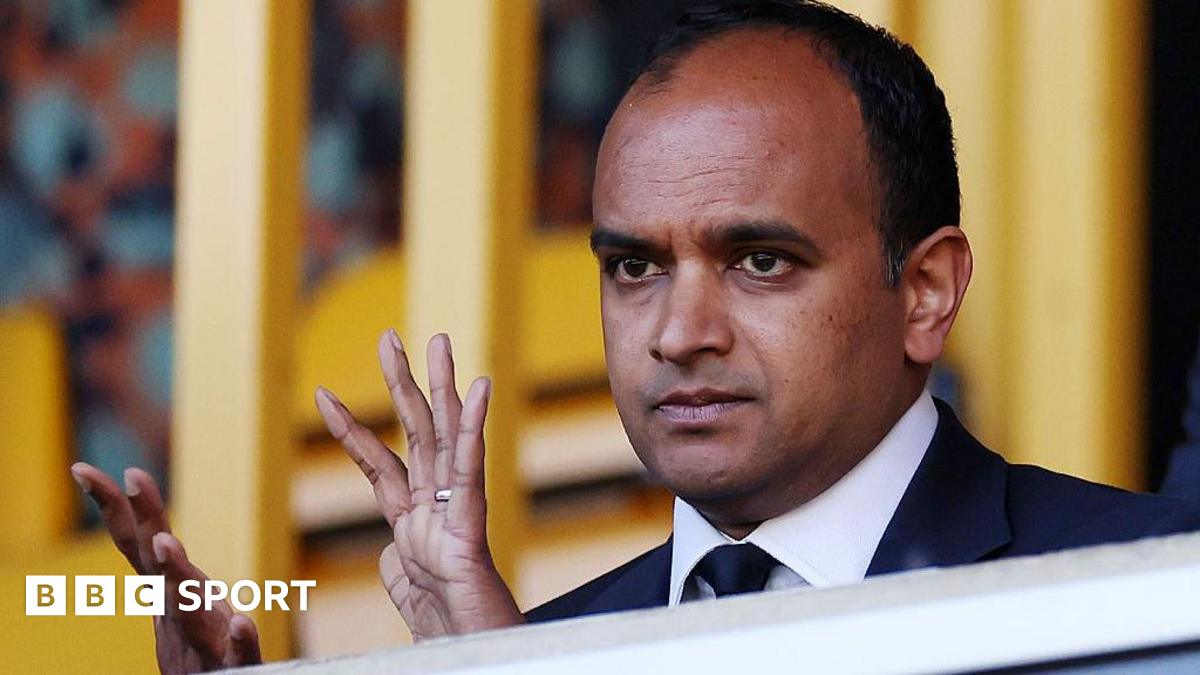
Tottenham’s turbulent managerial season has taken another turn after chief executive Vinai Venkatesham defended the club’s handling of the dismissals of Thomas Frank and Igor Tudor, while admitting the latter appointment failed to deliver. Frank, who was appointed in June and initially guided Spurs to a strong start with just one defeat in their opening 10 matches in all competitions, was ultimately removed in February after the team’s form deteriorated sharply. By then, frustration among supporters had grown, with many criticizing the club’s leadership for waiting too long to act.
Venkatesham rejected suggestions that Tottenham had been passive during the crisis, insisting the club carefully weighed several factors before making a decision on Frank’s future. Those considerations included the team’s results, the likelihood of Frank reversing the poor run, the potential disruption a managerial change could cause during the January transfer window, the impact on the fixture schedule, and the risks of moving into the interim head coach market.

He also confirmed that Tottenham attempted to persuade Roberto De Zerbi, who was leaving Marseille, to take over as permanent head coach after Frank’s departure. However, De Zerbi was unwilling to accept a mid-season move, leaving Spurs to turn to Tudor in the interim role. Tudor’s appointment was seen as a bold move, but his spell ended after just seven games when he left the club by mutual consent.
Explaining why Tudor was chosen, Venkatesham said Tottenham were looking for a coach with experience in demanding, high-pressure environments and a reputation for making an immediate impact. Tudor’s background at major clubs and his contrasting personality to Frank were viewed as potential advantages. At the same time, the club was aware that he had no Premier League experience, making the decision a clear risk.
Asked directly whether he believed appointing Tudor was a mistake, Venkatesham did not defend the outcome. Instead, he accepted that the move had not worked. He said it was “very clear” the appointment had failed and added that there was no real dispute about that assessment.
The comments offer a candid look into Tottenham’s internal thinking during a difficult and unstable period, as the club tried to navigate poor results, fan anger, and the challenge of finding a suitable long-term replacement. While the decision-making process was more measured than some supporters believed, the final outcome underlined the difficulty of stabilizing the team after Frank’s collapse and the short-lived Tudor experiment.