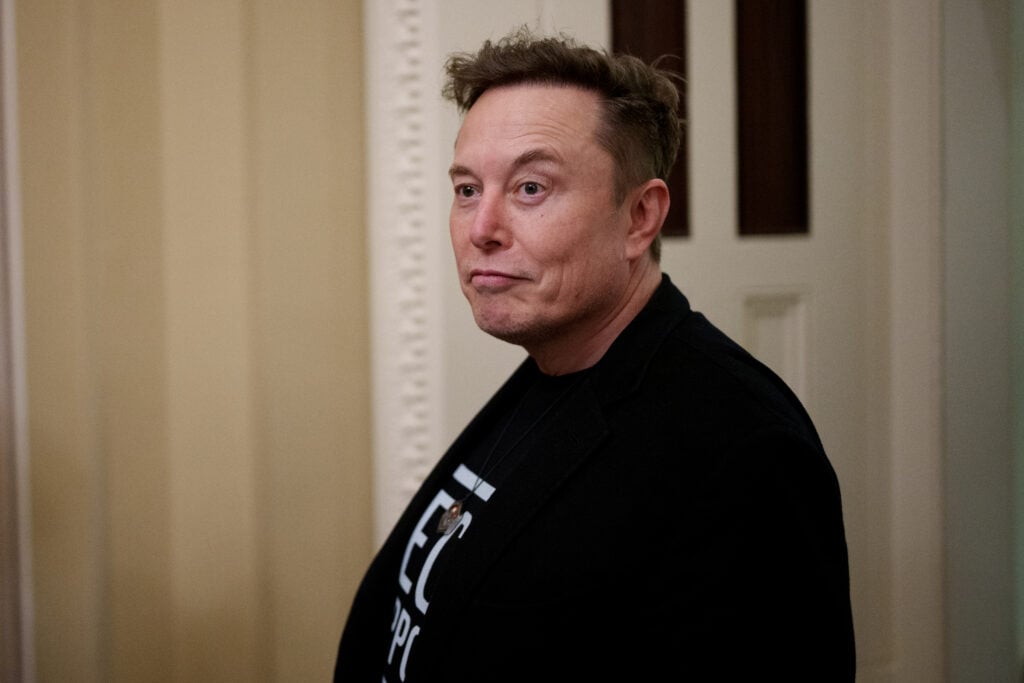
Elon Musk has had an extraordinary week as SpaceX moved toward a public listing, a development that could dramatically expand his wealth and make him the world’s first trillionaire. The company sold 555 million shares at $135 each on Friday, June 12, in a move expected to raise about $75 billion and lift SpaceX’s estimated value to $1.77 trillion. That valuation would make it the largest IPO in history, but also one of the riskiest for investors. Analysts have warned that SpaceX appears significantly overvalued, especially since it is not profitable and reportedly lost billions last year while depending heavily on government contracts.
The article argues that the SpaceX listing reflects the same speculative behavior seen in other unprofitable high-growth sectors, including artificial intelligence companies, where investors are chasing potential gains despite major uncertainty. Still, SpaceX differs from many hype-driven startups because it produces a tangible product: rockets and launch services. While the piece criticizes the broader privatization of spaceflight, it acknowledges that SpaceX offers a real service with measurable utility.

A major concern raised is that ordinary investors may be exposed to SpaceX’s risks without fully realizing it. Because the company was fast-tracked into index inclusion at its own request, people who invest through large funds such as Fidelity and Vanguard, including retirement accounts like 401(k)s, could end up indirectly buying into SpaceX. That could give Musk even more financial power while also exposing everyday savers to a company the article describes as highly speculative.
The piece also connects Musk’s business influence to wider political and social consequences. It points to recent violence in Belfast, where a racist mob reportedly attacked families of color, and links the atmosphere of extremism to Musk’s repeated boosting of inflammatory content. It further blames Musk’s support for DOGE-related cuts under the Trump administration for weakening government programs, including screwworm monitoring efforts that may have contributed to the pest’s reappearance in the United States for the first time since the 1960s.
Despite the criticism, the article notes that Musk’s wealth is largely tied to valuation rather than fixed cash holdings. Since valuations can fall quickly, his trillionaire status is not guaranteed. It also stresses that no level of wealth protects anyone from legal consequences, rejecting the idea that Musk is beyond the reach of courts or accountability.