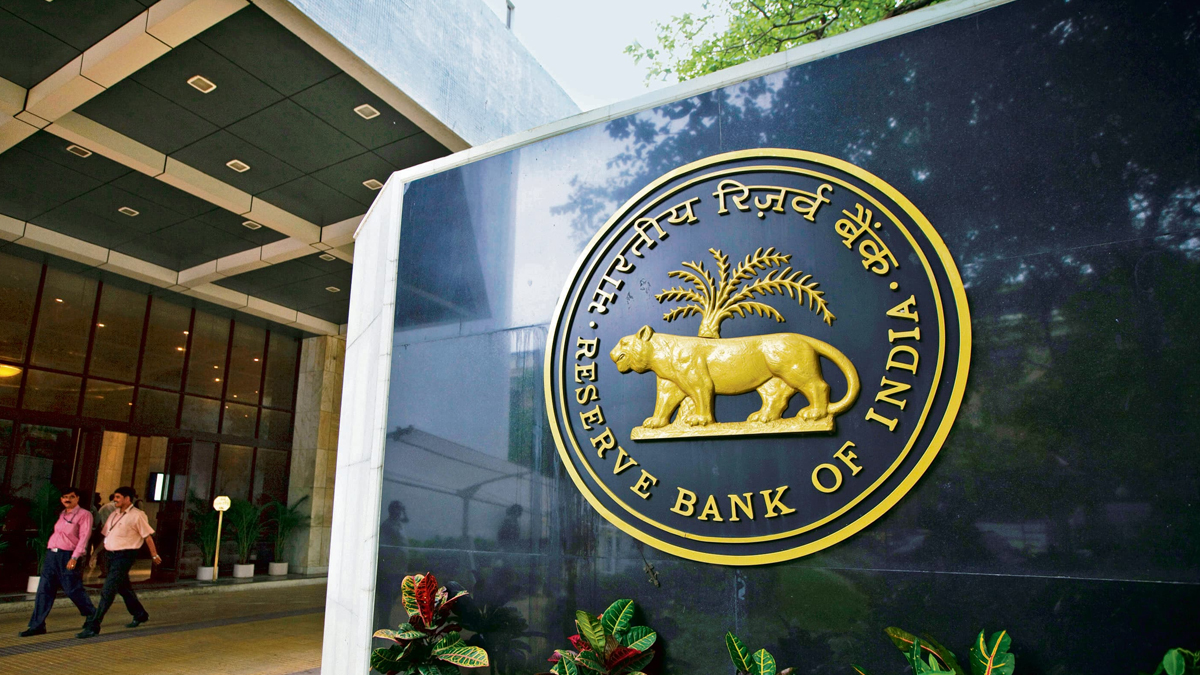
The Reserve Bank of India is reportedly considering introducing polymer, or plastic, banknotes as a longer-lasting alternative to the paper currency currently in circulation. The idea is being revisited as India’s digital payments continue to grow rapidly, even though cash remains widely used across the country. With the volume of physical currency still high, the cost of printing new paper notes has also continued to rise, making the proposed shift more relevant than before.
The proposal has triggered public concern about whether existing paper notes would be declared invalid or whether people would be forced to exchange them if polymer notes are introduced. Responding to those fears, the RBI Governor has said the plan is still at a very early stage. He said the central bank is only examining the possible benefits and challenges of polymer notes, and no final decision has been taken. He stressed that there is no reason for the public to worry at this point.

According to experts, advances in technology over the past decade have made it easier to adapt ATM machines and other cash-handling systems to polymer currency. Supporters of the idea say plastic notes could last longer than paper notes, resist wear and tear better, and reduce replacement costs over time. They also argue that the move would align India with several countries that have already adopted polymer currency.
More than 60 countries, including Australia, Canada and the United Kingdom, are said to have already fully adopted polymer banknotes. In that context, India is seen as exploring whether it should move toward a similar system as part of a broader shift toward a more modern and digital economy. The discussion reflects the balance India faces between maintaining a cash-heavy financial system and adapting to new technology that could make currency management more efficient.
For now, however, the RBI’s position is clear: the idea remains under review, and no policy decision has been announced. That means the existing paper notes continue to remain valid, and there is no immediate change for consumers. The central bank is expected to study the issue further before deciding whether polymer notes would be practical, cost-effective and suitable for India’s large and diverse currency market.