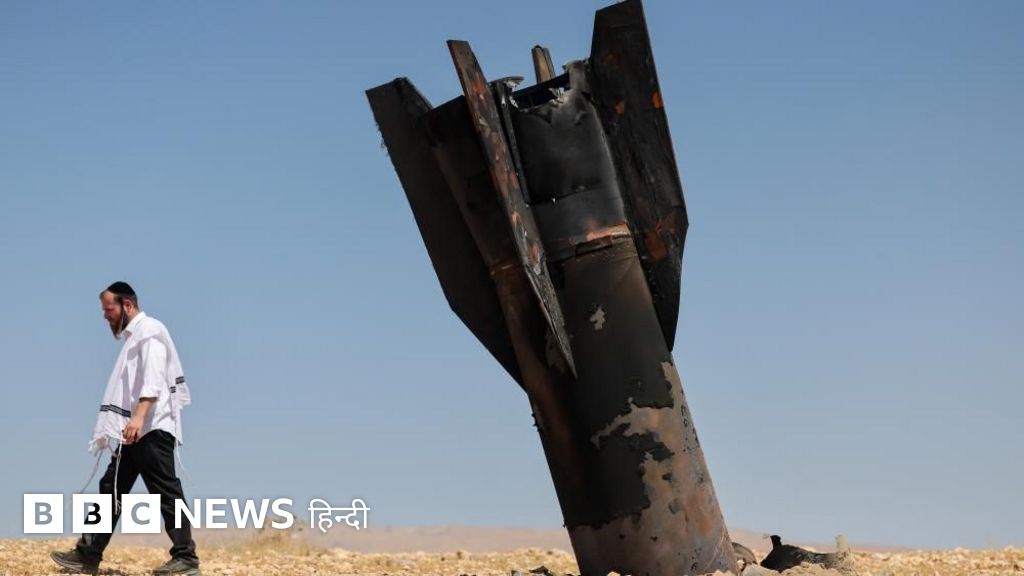
Iran’s recent overnight missile and drone strikes on Israel may have had limited military impact, but their political meaning is far larger. The attack came after Israel struck a building in southern Beirut that it said was linked to Hezbollah, a move that triggered a rare direct Iranian response in support of one of its allies rather than in retaliation for an attack on Iranian territory. That distinction matters because Iran has long framed its military actions as revenge for direct threats to its own land, commanders, or national interests. This time, Tehran acted to signal that attacks on members of its regional network can be treated as attacks on Iran itself.
The timing and scale of the operation suggest a deliberate strategy. Iran likely wanted to send a warning to Israel, the United States, and the wider region that it still has room to respond without escalating into full-scale war. By acting in a controlled way, Tehran may have aimed to project strength while avoiding a collapse in already fragile diplomacy with Washington. The move also serves an internal regional purpose: reinforcing the credibility of Iran’s support for the so-called “Axis of Resistance,” which includes Hezbollah, Iraqi militias, and other allied groups. If Iran did not respond after repeated warnings, its influence and reliability among these partners could have been weakened.


The strikes also reflect a possible shift in how Iranian leaders view their own position after months of conflict and pressure. Despite Israeli and U.S. military pressure, sanctions, and maritime restrictions, the Islamic Republic has remained intact. Its government is still in power, its security apparatus continues to function, and no major domestic uprising has emerged. That resilience may have encouraged Tehran to see itself less as a cornered actor and more as a power capable of drawing new red lines. In this reading, the attack was not only about deterrence but also about redefining Iran’s posture in the region.
Public reaction inside Iran reveals a divided mood. Some view the attack as a justified defense of Lebanon and a lawful response to ceasefire violations by the other side. Others question why Tehran appears quicker to defend Lebanon than to address violence and bombing in southern Iran. Many ordinary Iranians, however, are simply afraid that the conflict could widen again and bring more hardship. A number of observers also believe the strike was partly symbolic, designed to show supporters that Iran is still acting decisively while keeping the confrontation below the threshold of all-out war.
Ultimately, the most important question is not whether Iran can absorb another Israeli strike. It is whether Tehran now believes it can continue military signaling while preserving negotiations at the same time. If so, Iran may be trying to create a new framework in which it negotiates from a position of strength, enforces its own red lines, and preserves its regional deterrent without closing the door to diplomacy. That would mark a significant change in how the Islamic Republic understands its security and its role in the Middle East.