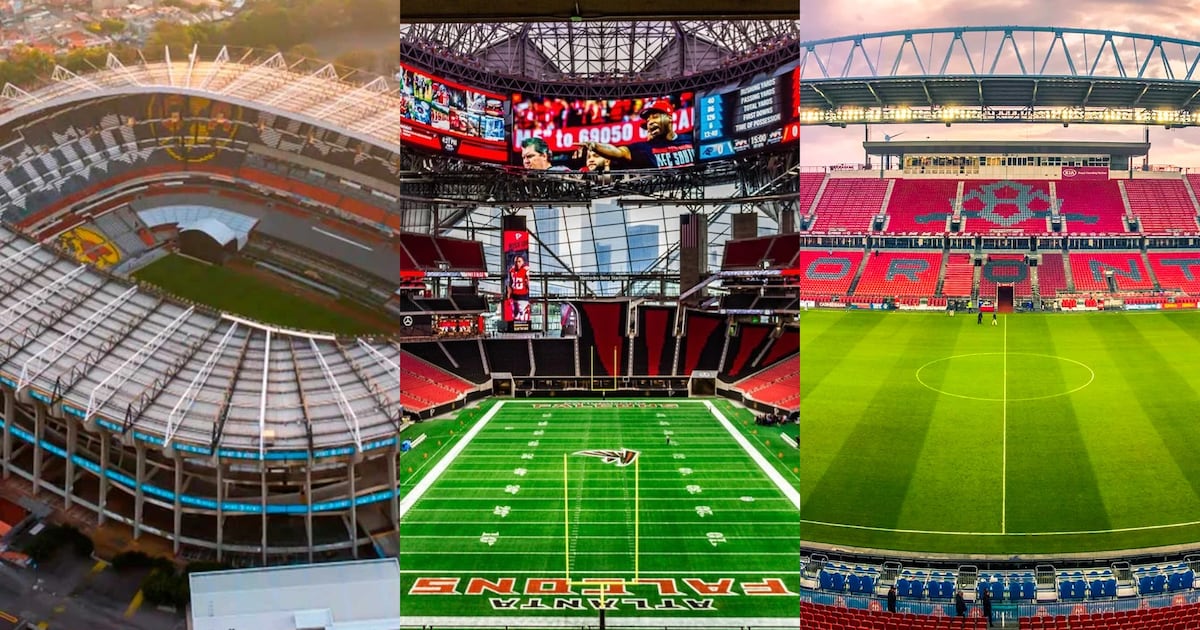
Al Ahdath Al Maghribia reports that Morocco’s participation in securing the 2026 FIFA World Cup reflects the growing international standing of its security apparatus. The newspaper says the recognition is rooted in major advances in training, modern technology, and intelligence coordination, and was highlighted when the White House officially announced Morocco’s inclusion on the security team for the tournament. According to the report, the announcement drew immediate attention in both security and sports circles because the elite team includes only a very limited number of countries.
The article says the U.S. president personally leads the task force, alongside the vice president and other senior American officials, as part of a broad security strategy for what is expected to be the largest World Cup in history. The 2026 edition will feature 48 national teams and matches played across three countries. The invitation from the White House, the daily argues, shows the level of confidence placed in Morocco’s security institutions.
The newspaper links this trust to Morocco’s recent experience in international football security. It says the country’s role began during the 2018 World Cup in Russia, where Moroccan police officers participated in a security cooperation system created by Russian authorities. Their work included assisting Moroccan supporters and sharing intelligence on spectator movements. The 2022 World Cup in Qatar, the report adds, marked a decisive confirmation of Morocco’s credibility as a reliable security partner. Moroccan police were said to have played a key role in managing spectators, securing stadium perimeters and fan zones, and helping with guidance and rapid intervention operations. Their performance was reportedly praised by Qatari officials and international observers.
The article also credits the modernization drive led by Morocco’s General Directorate of National Security and General Directorate for Territorial Surveillance, under Abdellatif Hammouchi. It says these institutions have strengthened field operations and intelligence work, expanded specialized training, and adopted the latest technologies used worldwide in sports security, crowd management, and risk analysis.
Beyond football, the report says Morocco has expanded its role in global security networks, especially in counterterrorism, cross-border crime, irregular migration, and cyber threats. It notes that the United States has repeatedly praised Moroccan services for dismantling international criminal networks and providing intelligence that helped prevent possible security threats. In the newspaper’s view, these repeated endorsements are evidence that Morocco has become an essential strategic partner for several major international powers.