The Bank of Canada held its policy rate at 2.25% on Wednesday, but its latest statement signaled growing concern that the conflict in the Middle East could keep energy prices elevated, disrupt global supply chains and push inflation higher. The bank said the war, now in its fourth month, is slowing the world economy and adding pressure to prices at a time when trade uncertainty remains high because of new U.S. tariff proposals and ongoing tensions over trade policy.
Economists say the prolonged conflict has changed the outlook for central banks. Brent crude, which was around US$70 a barrel in February before the war, has been trading between US$90 and US$100 as negotiations between the United States and Iran continue to stall. The risk, according to the Bank of Canada, is that higher fuel costs could spread beyond energy and become persistent inflation. The central bank said it is watching closely and remains ready to act if needed.


The situation creates a difficult balance for Governor Tiff Macklem and the Bank of Canada. Inflation is now close to 2.8%, within but near the top of the bank’s 1% to 3% target range, while the Canadian economy remains weak. Canada’s GDP has fallen in three of the last four quarters. Between January and April, the country lost more than 110,000 jobs, although the labour market improved somewhat in May with a gain of 88,000 jobs.
Financial stress is also rising among households. More than 37,000 insolvency filings were reported in the first quarter of 2026, up 8.5% from a year earlier. Under normal circumstances, that kind of slowdown would argue for lower borrowing costs to support consumers and growth. But higher inflation linked to energy prices may instead push the central bank toward raising rates if price pressures widen.
The broader backdrop is complicated by trade tensions with the United States. President Donald Trump again said Wednesday that the U.S. does not need Canada and suggested the Canada-U.S.-Mexico Agreement may not be renewed after the current review. If that agreement were not extended, it would likely lead to repeated annual negotiations for a decade, creating prolonged uncertainty for businesses and households.
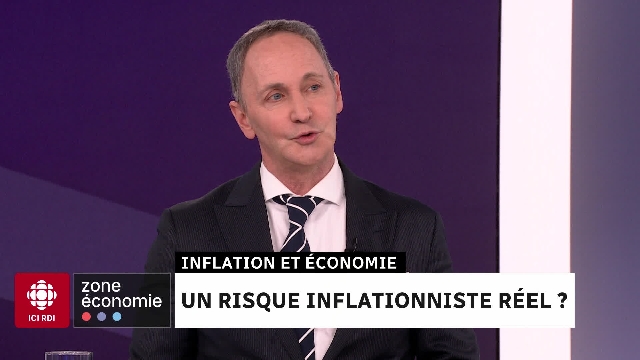
Despite the risks, major Canadian banks do not expect a rate change soon. Economists at Desjardins and the National Bank still see no move in the policy rate before 2027. Desjardins said federal support payments for low-income households and larger GST credit payments should help consumer demand, while public spending and investment are also likely to support the domestic economy. National Bank chief economist Stéfane Marion said it may be too aggressive to expect a near-term hike, noting that this is not an ordinary shock and central bankers need to remain cautious.
With inflation pressure building, a weakening economy and uncertainty over war, oil prices and trade, the Bank of Canada faces one of its most difficult policy environments in years.



/https://i.s3.glbimg.com/v1/AUTH_da025474c0c44edd99332dddb09cabe8/internal_photos/bs/2025/b/C/wIrxeTRtyTbBlqP5Vofw/100985351-o-detranrj-lancou-na-ultima-terca-feira-o-processo-simplificado-de-pedidos-de-segunda.jpg "Automatic driver’s license becomes law for “good drivers”: how to qualify for the benefit")