Lehlohonolo Seema Speaks Candidly on Happy Mashiane and Samkelo Zwane’s Struggles Amid Uncertain Kaizer Chiefs Future

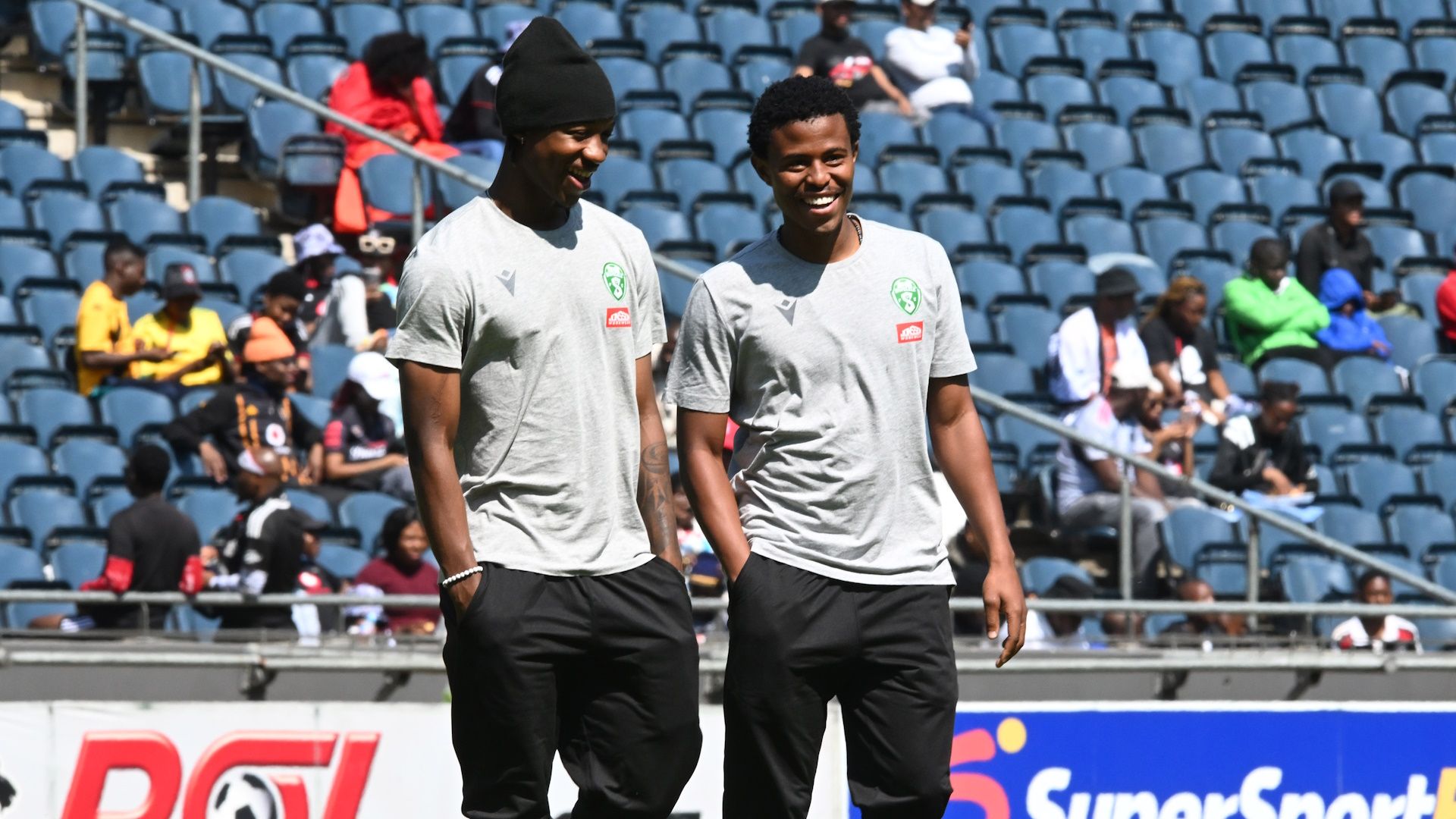
Siwelele coach Seema has explained why the club’s loanees struggled to make an impact after arriving from Naturena, saying the step up from training-ground preparation to the demands of competitive football proved too difficult at a crucial stage of the season.
According to Seema, the players came in with a major disadvantage because they had already spent a long period without regular game time at their previous club. He said that lack of competitive minutes meant they were not fully ready for the intensity, pace, and pressure they faced after joining Siwelele. While the club believed in their ability and was willing to give them a chance, their delayed adaptation made it hard for them to contribute immediately when results mattered most.
/https%3A%2F%2Fsportsmole-media-prod.s3.gra.io.cloud.ovh.net%2F24%2F36%2Froberto-cevoli.jpg "San Marino vs Bangladesh prediction, team news and lineups preview")
Seema noted that he had spoken to the players about their situation before they arrived, making it clear that they were joining a side that needed individuals who could perform right away. He stressed that he was looking for players who were match-ready, not only talented on paper, because the team had to remain competitive while also giving opportunities to newcomers. That balance, he said, was important in order to protect the club’s chances of winning games.
The coach admitted that the loanees had potential and that the technical team appreciated their qualities. However, he said the reality was that it took them too long to settle, and by the time they began to adjust, the business end of the campaign had already placed increased pressure on the squad. In a high-intensity environment like Siwelele, he explained, there was little room for extended adaptation periods.
Seema said the club did not bring the players in without belief in their future contribution. Instead, they were given opportunities because the staff liked them, valued them, and saw what they could become. But football at this level, he added, requires a careful blend of patience and performance. A coach must develop players while still ensuring the team remains capable of producing results.
The remarks highlight the challenge faced by players returning to action after a long spell without regular competition. Even when a footballer possesses clear ability, missing match rhythm can affect decision-making, fitness, sharpness, and confidence. For Siwelele, that issue became especially noticeable as the season progressed and the margin for error narrowed.
Seema’s comments underline the difficult choices coaches must make when working with loanees and fringe players. While development remains part of the process, immediate readiness is often essential in a results-driven environment. In this case, the club’s willingness to be patient was not enough to overcome the players’ lack of recent competitive experience.
The coach’s reflection suggests that Siwelele will continue to value talent and potential, but only if it is paired with the physical and mental sharpness required to handle first-team football.