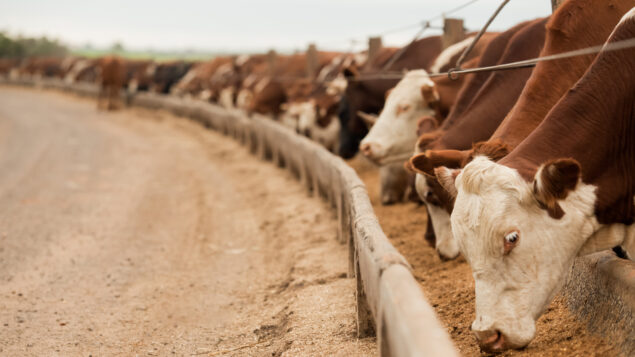
The U.S. Department of Agriculture (USDA) said larvae of the New World screwworm, a parasitic and potentially deadly fly that feeds on the living tissue of warm-blooded animals, were detected in a calf in Texas. The discovery has raised concern among cattle producers because any wider spread could add pressure to an already strained U.S. beef industry, where the national cattle herd is at its smallest size in 75 years. The reduced herd has already contributed to higher costs for meat processors and rising beef prices for consumers.
Following the announcement, shares of Tyson Foods fell 4.2% in New York, while JBS shares dropped 2.6%, reaching their lowest level since the company’s U.S. listing. The market reaction reflected worries that a screwworm outbreak could disrupt livestock movement, increase treatment costs and worsen supply constraints in the meat industry.


U.S. cattle producers have been on alert for months as Mexico dealt with its own screwworm outbreak. According to the USDA, the larvae were found in the navel area of a calf in La Pryor, Texas, about 50 kilometers from the border. The agency confirmed that this was the first case detected in the United States in a decade.
Although the USDA said there is no reason to believe the pest will spread widely across the country, it has already introduced sanitary measures to contain the threat. Those steps include restrictions on animal movement within a 20-kilometer radius of the affected area. The government is also speeding up the release of sterile flies in the region, a long-used method to suppress screwworm populations by preventing reproduction. In addition, the Food and Drug Administration has granted emergency authorization for veterinary medicines that could be used if the outbreak expands.
The New World screwworm was last detected in the United States in 2016. It is a parasite that lays eggs in wounds or mucous membranes of warm-blooded animals. Once the eggs hatch, the larvae burrow into living tissue and can kill an animal within days if the infection, known as myiasis or screwworm infestation, is not treated. The parasite is most commonly spread through the movement of infected animals, though human infections are rare.
The case has drawn attention because of the potential economic impact on cattle production, beef processing and market prices. With the U.S. herd already tight and the industry facing elevated costs, any sustained biosecurity threat could have broader consequences for the livestock supply chain.



/https://i.s3.glbimg.com/v1/AUTH_59edd422c0c84a879bd37670ae4f538a/internal_photos/bs/2026/c/4/6tplOaRvCmlyohfQO29w/co-2026-05-27t214921.447.jpg "Driver Dies in Truck Collision on BR-020 in Posse")