/https://s01.video.glbimg.com/x720/14672840.jpg "Estevão Surprised Doctor After New Thigh Exam")
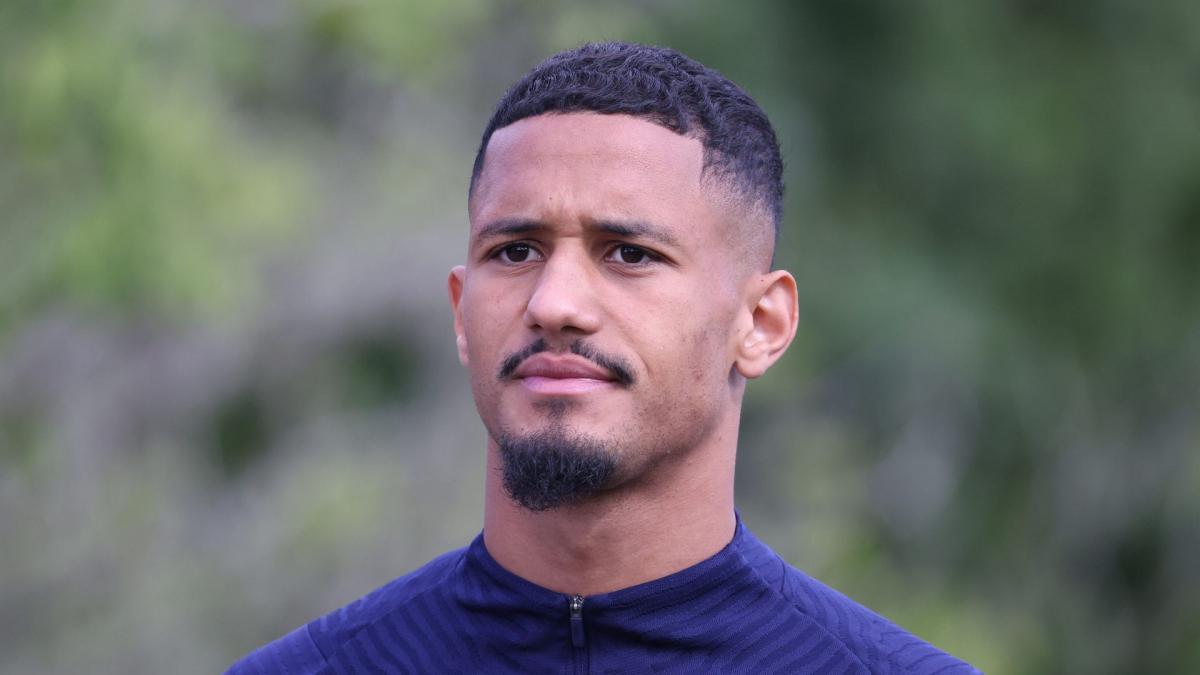
The former Chelsea player said he suffered a serious hamstring injury that tore 80% of the biceps femoris, the muscle at the back of the thigh, and that the club’s doctors recommended surgery. He added that even Chelsea’s owner wanted him to undergo the operation. Despite that pressure, he said he decided against surgery after discussing it with his parents.
He explained that having loved ones nearby was crucial when making such a difficult decision, because medical choices can become overwhelming when a person is surrounded by pressure from different sides. According to him, support from family helped him stay calm and choose the path he believed was best.

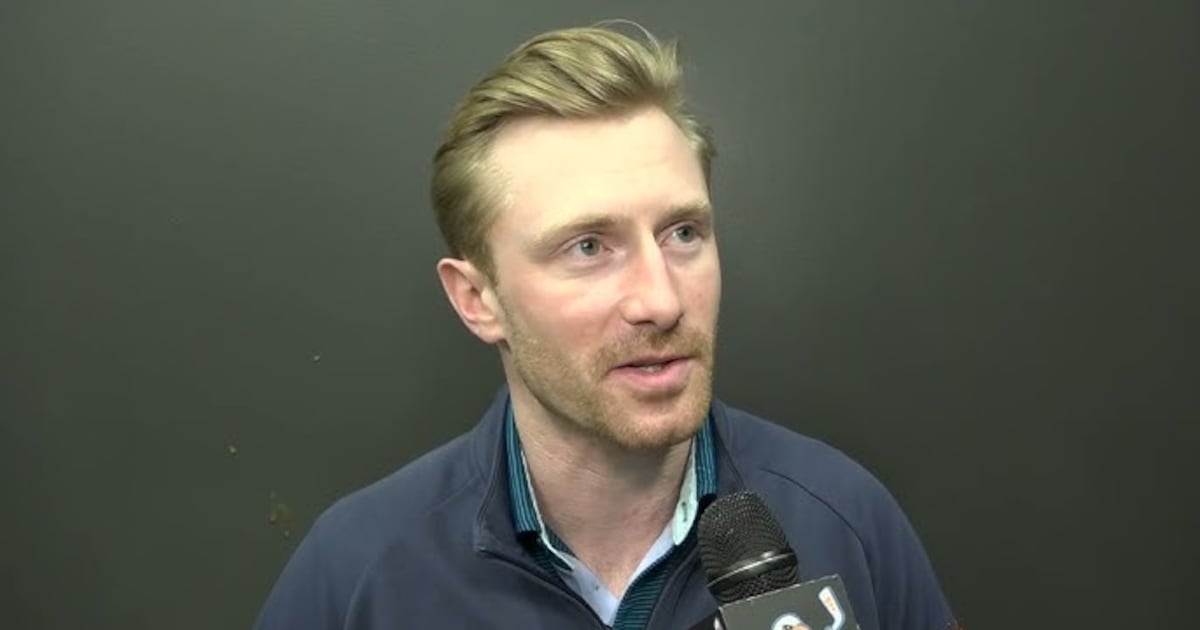
The player did not go into detail about the long-term consequences of the injury in this statement, but his comments highlight the tension that can exist between a club’s medical advice and a player’s personal choice. His account suggests that the decision was not only about treatment, but also about trust, comfort and the importance of family involvement during a stressful time.
The remarks also offer a glimpse into the intense environment surrounding elite football injuries, where recovery decisions can carry major implications for a player’s career, fitness and future performance. In this case, the player said he chose a non-surgical approach even though the recommendation from the club was to operate.
His comments may resonate with other athletes who face similar crossroads after serious injuries, especially when they must balance professional advice with personal feelings and family support. The story underscores how recovery decisions in top-level sport are rarely simple, and how players often rely on the people closest to them when facing uncertain medical choices.