National teams are using international friendlies as preparation for major tournaments, including the upcoming FIFA World Cup. Friendly matches, also known as exhibition games, do not affect league standings, tournament advancement, or qualification for major competitions. Instead, they are scheduled during FIFA’s official international match windows, which allow national teams to play outside of competitive events and qualifying rounds.
These matches are common during international breaks, preseason tours, and tournament build-up periods. Although the word “friendly” may suggest a relaxed atmosphere, the games serve important sporting and organizational purposes. For clubs, friendlies are often played before a new season begins. Coaches use them to assess new signings, test tactical systems, and give younger or less experienced players valuable minutes on the field. Since the results do not count in official standings, managers have greater flexibility to experiment with lineups and strategies.


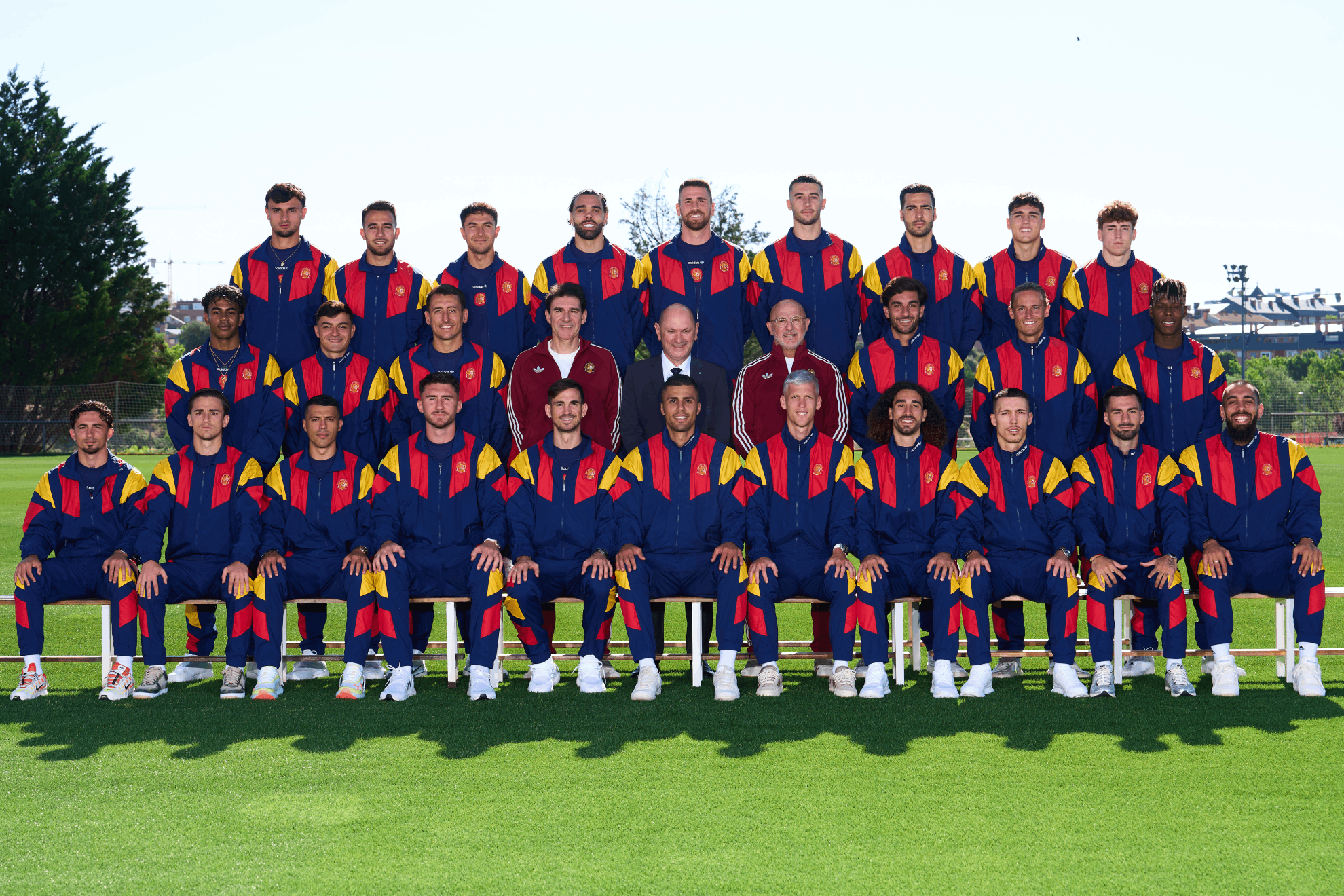
National teams rely on friendlies for similar reasons, but with a different focus. Because international squads spend less time together than club teams, these matches are a chance to build chemistry, sharpen coordination, and evaluate player selections ahead of major tournaments. They are especially useful for coaches preparing for events such as the FIFA World Cup, where understanding between players and tactical consistency can be critical.
In most cases, friendlies follow the same basic Laws of the Game as competitive matches. However, organizers may allow more substitutions than usual so coaches can observe a larger pool of players and manage fitness levels across the squad. Depending on the purpose of the match, some friendlies may also use modified rules for extra time or penalty shootouts.
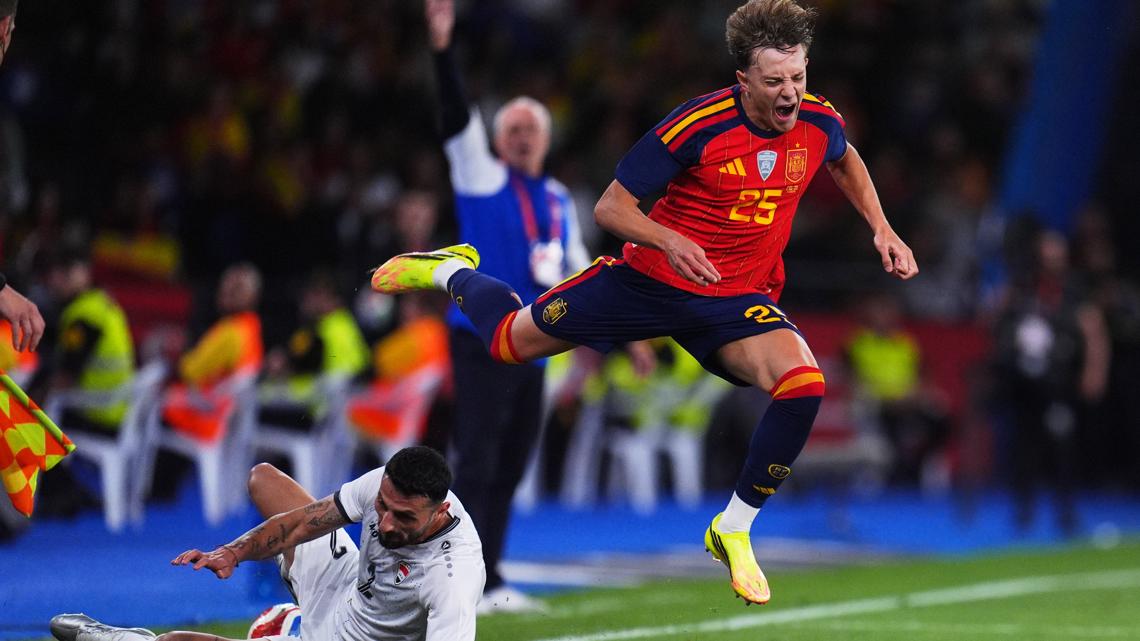
The term “friendly” refers to the absence of competitive consequences, not to a lack of intensity. Teams often play with full effort, and the matches can still be highly contested. The label simply means there is no prize, title, or qualification outcome on the line. Friendlies remain an important part of football calendars because they provide preparation, evaluation, and tactical development for both clubs and national teams.