Fifa’s tightly controlled matchday schedules came under scrutiny after a pre-game delay at a recent fixture caused the teams to miss the planned timing by about 90 seconds. While the setback was only a minute or two, it was still notable because Fifa is known for its meticulous planning of every detail in the lead-up to matches, from tunnel assembly to the national anthems.
According to the match’s dedicated running order, which is shared with media and broadcasters, every major pre-kickoff moment is timed precisely. The schedule sets out when teams and match officials should gather in the tunnel, when they are expected to walk onto the pitch, and when the anthems are to be performed. Such detailed planning is especially important for broadcasters that interrupt coverage for commercials, because it helps them avoid missing key ceremonial moments before kickoff.

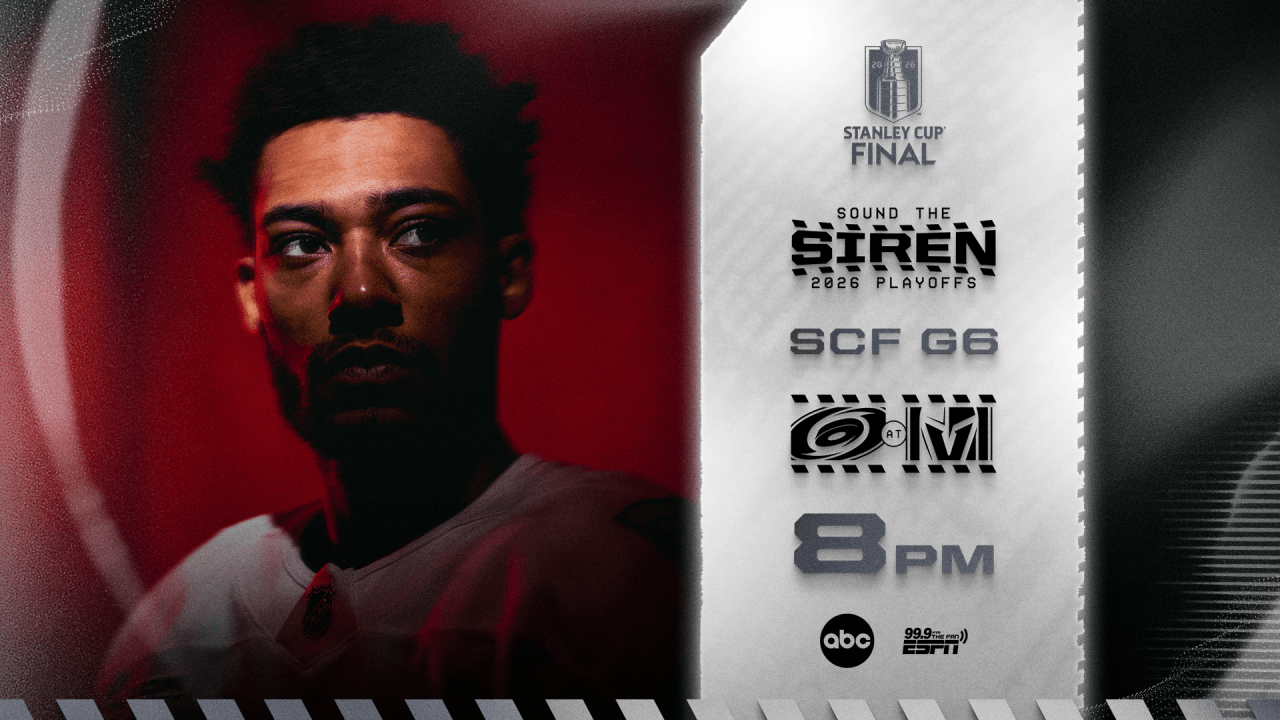
In this case, Haiti and Scotland were due to step onto the field exactly eight minutes and 40 seconds before the match was scheduled to begin. However, when that time arrived, the Haitian players were still not fully ready. Broadcast footage showed a Fifa official hurrying them along to get into position. By the time both teams finally emerged from the tunnel, the match was already running 90 seconds behind schedule.
The incident highlighted how even a short delay can affect the carefully choreographed flow of a major international football match. Fifa’s operational standards are designed to keep every part of the pre-match sequence aligned, not only for the teams and officials but also for television coverage and stadium presentation. The timing of each stage is treated as part of the overall match experience, with little room for variation.
For broadcasters, such precision is more than a formality. Live sports coverage often depends on strict timing to cover entrances, anthems and other ceremonial elements without disrupting scheduled advertising breaks or commentary planning. A delay of even a small amount can create pressure for producers trying to balance live action, sponsor commitments and match build-up coverage.
The moment involving Haiti and Scotland served as a reminder that matchday logistics at the highest level are expected to run like clockwork. Fifa’s system is built to ensure that teams, officials and media all operate to the same minute-by-minute timetable. When one part of that chain slips, the effects are immediately visible on the live broadcast.
Although the delay was brief and did not alter the outcome of the game itself, it stood out because of the contrast between Fifa’s exacting standards and the reality on the ground. The organization’s match protocols leave little tolerance for lateness, and any deviation is likely to be flagged as an area for improvement.
In a sport where millions of viewers may be watching every detail, even a small pre-match hold-up can become a notable story.