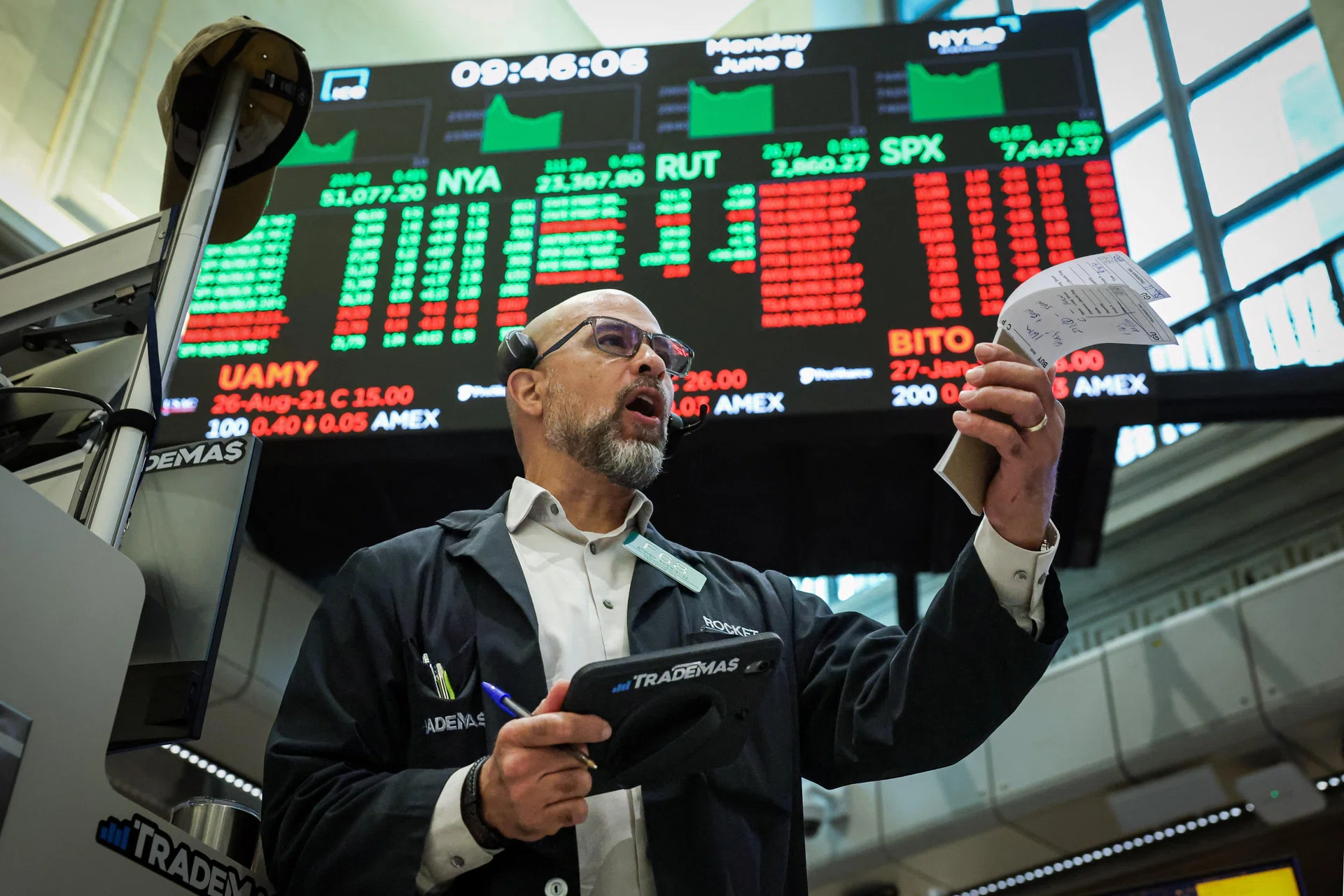
Markets in the United States have been lifted by enthusiasm around artificial intelligence, but that explanation does not fully account for the performance of stock markets in London or Singapore. The contrast has prompted concern that global equity markets may be moving in ways that are not supported by the same drivers. While US investors have been rewarded by the promise of AI-related growth, the strength seen in other major markets suggests broader forces may also be at work, or that valuations may be stretching beyond fundamentals.
The central concern is not whether a downturn will happen, but when. The tone reflects rising unease that markets may be approaching a point where sentiment shifts quickly. The question is no longer limited to whether prices will ease, but how severe the decline could become. Two possible outcomes are highlighted: a correction, defined as a fall of no more than 10%, or a crash, in which shares could lose more than 20%.


This uncertainty is especially notable because market rallies often rely on a clear narrative. In the US, artificial intelligence has become a powerful story supporting investor optimism, with companies tied to the technology attracting strong interest. But markets in places such as London and Singapore have not been driven by the same AI enthusiasm to the same degree. That has led to doubts about whether the recent gains reflect durable economic strength or simply a wider phase of market optimism.
The discussion also reflects a broader truth about financial markets: they can remain elevated for long periods even when investors sense risk. Strong performance does not eliminate the possibility of a reversal. In fact, the longer markets rise, the more vulnerable they can become if confidence weakens, earnings disappoint, or macroeconomic conditions change.
At the heart of the argument is a cautionary view of current market conditions. Investors may be enjoying gains, but there is a growing impression that something is not quite right beneath the surface. The mismatch between the AI-driven US rally and the performance of markets elsewhere raises questions about sustainability. If the foundations of the rally are not as strong as they appear, the eventual downturn could arrive abruptly.
For now, the focus remains on timing and scale. A modest correction would be painful but manageable. A larger crash would signal a much deeper reset in investor expectations. The uncertainty between those two outcomes is what is making the current market environment feel unstable.