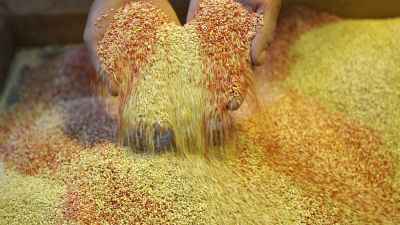
Heritage sourcing has moved from a niche culinary interest into a mainstream food conversation in 2026, shaped by climate anxiety, biodiversity loss, and consumer pressure for greater transparency in the food supply. The practice focuses on buying, growing, and selling food from older, unaltered crop varieties and livestock breeds, especially heritage grains that have not been bred for industrial-scale agriculture. Supporters see these varieties as a way to preserve flavor, regional identity, and genetic diversity while reducing dependence on a fragile global food system.
Interest in heritage sourcing is rising because many consumers now want to know exactly where their food comes from. A 2025 IFIC Food & Health Survey cited in the article found that 59% of Americans say it is important to know the source of their food, up from 51% in 2017, while 54% prioritize food that is consistently available locally. That shift has encouraged restaurants, grocery brands, and farmers to highlight provenance, traceability, and the history behind ingredients. Farm-to-table dining has helped introduce diners to heritage grains, heirloom vegetables, and heritage-breed meats, turning authenticity and storytelling into part of the product value.


Climate change is another major force behind the trend. As drought, heat, shifting rainfall, and new pest pressures intensify, farmers are looking to older crop varieties that may be better adapted to local conditions than high-yield commercial seeds. Modern industrial agriculture depends on a relatively small number of uniform crops and breeds, which makes the food system vulnerable when weather patterns become unstable. Heritage varieties often carry traits such as drought tolerance, hardiness in poor soils, and resistance to certain diseases, traits that were often lost in modern breeding for maximum yield.
The article also links heritage sourcing to a broader seed crisis. Global seed production has become increasingly concentrated in the hands of a few large agrochemical companies, while patents and intellectual property rules have reduced access to seeds that were once treated as part of a shared agricultural commons. This consolidation has narrowed genetic diversity and weakened the resilience of the food supply. Preservation groups, universities, and farmers are working to catalog and replant older seeds before they disappear permanently.
Heritage sourcing is presented as one practical response to these pressures. When consumers buy heritage grains, heirloom produce, or heritage-breed meats, they help create market demand that supports farmers growing older varieties. That demand also encourages seed savers and preservation organizations to keep rare crops in circulation. In this way, heritage sourcing is not only about nostalgia or premium food trends. It is increasingly seen as a food security strategy that supports biodiversity, regional farming, and greater independence from corporate-controlled seed systems.