A heatwave that brought the hottest May temperatures on record to England has exposed a stark divide in how Londoners experience extreme weather, with air-conditioned homes, offices and transport offering relief for some while others struggle in overheated flats, crowded buses and buildings without cooling.
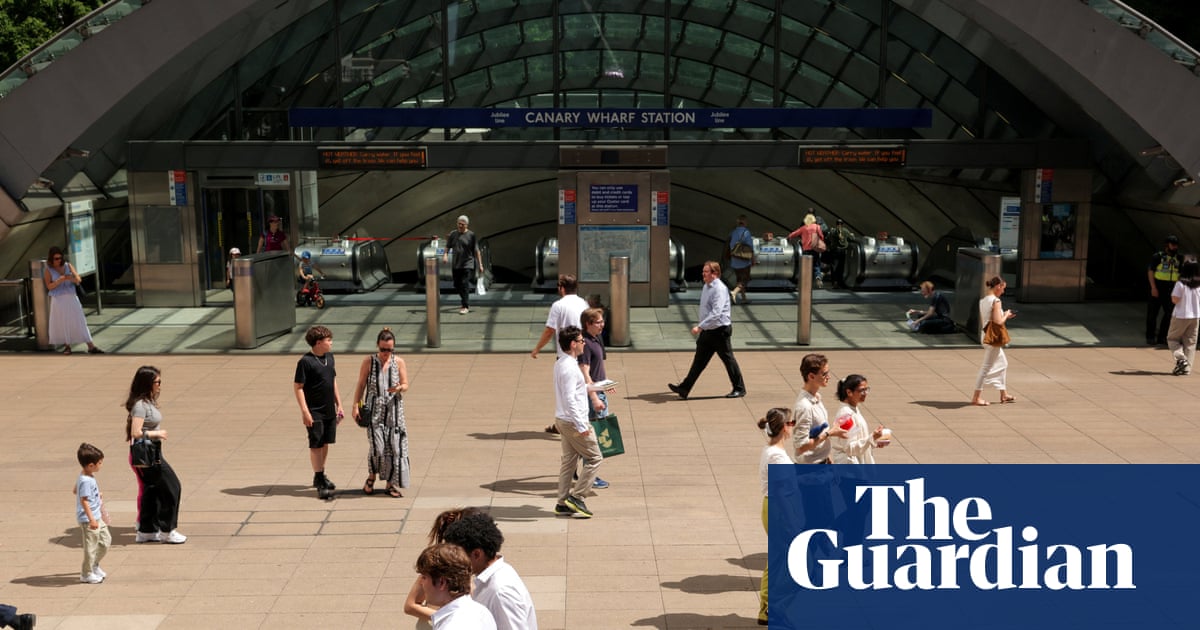
In Canary Wharf, where gleaming towers and air-conditioned shopping arcades cater to finance workers, the heat was more of an inconvenience than a crisis. Some commuters and office staff said they barely noticed the rising temperatures as they moved between cooled flats, trains and workplaces. Aykhan, a 27-year-old banker, said he had found the week’s heatwave “a breeze” thanks to his air-conditioned home, the Elizabeth line and his office. Others in the area described wearing lighter clothing, using shaded outdoor spaces, or relying on fans and cool modern housing to stay comfortable.

A short journey away in Whitechapel and nearby Tower Hamlets, the experience was very different. Residents in less affluent neighborhoods described sweltering flats that trapped heat through the night, leaving babies, children and adults unable to sleep. One mother said she had taken her infant outside to sit under a tree because their home was too hot to bear. The article highlights how the heat has hit hardest where homes are older, less suited to extreme temperatures and less likely to have air-conditioning.
Health concerns were a major theme. Indoor temperatures above 25C can increase health risks, and overheating has been linked to a higher risk of death, especially among older people. Research cited in the article found that nearly half of the poorest fifth of households in England live in homes vulnerable to overheating, compared with far fewer in the richest fifth.
The contrast extended to workplaces and public spaces. In Canary Wharf, workers ate lunch in air-conditioned restaurants and shopping areas, while in Whitechapel many people sought temporary refuge in supermarkets and cafes with cooling systems, or simply stayed in the shade. Some said the worst part of the heat was the commute, especially on buses without air-conditioning. The air-conditioned Elizabeth line was described as a rare comfort, while the cheaper bus journey was called unbearable.
The heatwave has also driven up the cost of cooling products. Fans and air-conditioning units have risen in price, making them harder to afford for lower-income households. Some workers and students said they were using inexpensive fans at home, while others joked about trying to sleep by drinking alcohol or relying on whatever cooling they could find.
Not every space in east London was oppressive. A community food garden on the Cranbrook Estate in Tower Hamlets offered a cool green refuge among concrete blocks. Built and maintained by local residents, the garden was described as noticeably cooler than the streets around it, with plants, ponds and shaded seating helping both people and wildlife endure the heat. Its founder said the space had become a daily retreat during the heatwave, providing “respite and joy” for nearby residents.