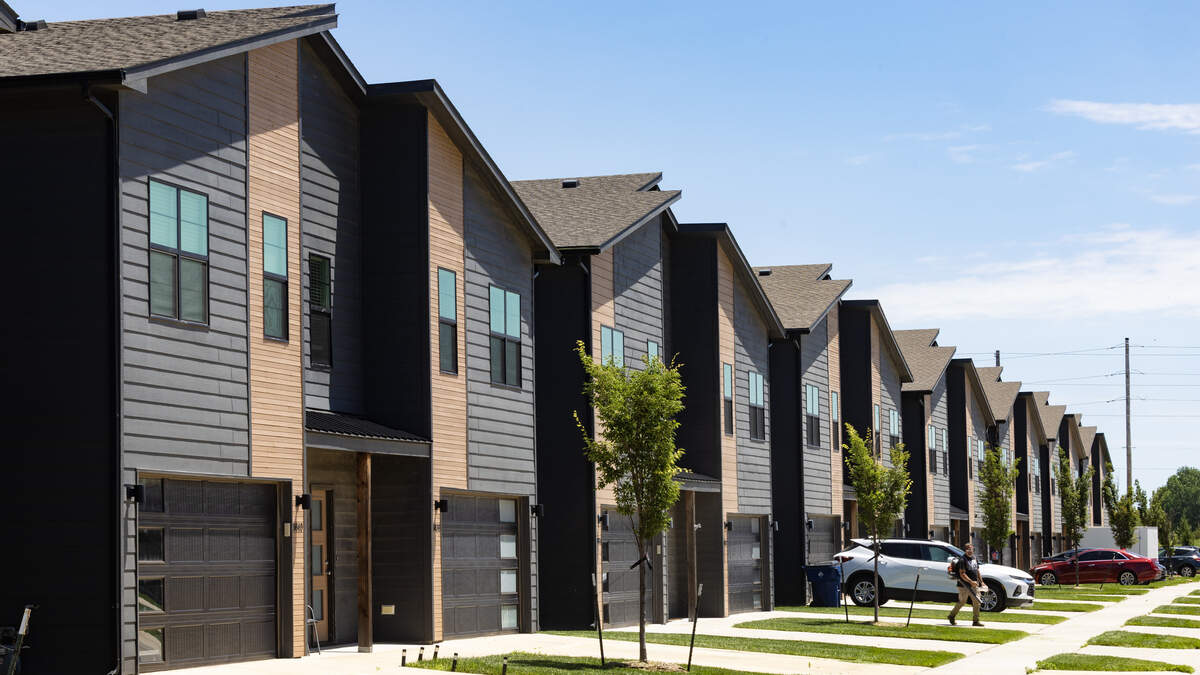
Wichita-area suburbs are moving toward tighter rules on duplex development, with Goddard set to vote on proposed standards on July 6 and Maize watching closely as it considers similar action. The issue has gained urgency as both cities see a growing share of new housing built as duplexes or other attached units rather than traditional single-family homes.
Maize City Manager Nick Gregory said the city is likely to examine duplex regulations sooner rather than later, possibly alongside updates to its comprehensive plan. He said city leaders want to make sure future duplexes are high quality and visually varied, especially as large numbers of duplexes continue to be built in new neighborhoods. Gregory said Maize has about 1,300 ready-to-develop home sites, and a significant portion could become duplexes.

The city’s permit data shows how sharply the mix of housing has shifted. So far this year, builders in Maize have pulled permits for 31 single-family homes, 54 twin homes, nine duplexes and 12 multifamily units. That means 70% of new homes are something other than single-family houses. In 2025, builders pulled permits for 147 single-family homes, six twin homes and 57 duplexes. In 2024, they pulled permits for 119 single-family homes, 12 twin homes and 104 duplexes.
Gregory said the city understands that developers are making decisions based on cost and market demand, but local leaders must also think about what neighborhoods will look like in 20 to 30 years. He said the city wants to avoid overbuilding duplexes in a way that could leave future residents with housing they no longer want.
Goddard’s proposed resolution would limit duplexes to no more than 40% of homes in future developments and require design standards intended to improve appearance and diversity. The proposal also calls for private amenities such as playgrounds, trails, open lawn areas, picnic facilities, benches, shade structures or sports courts. It would require five-foot sidewalks on through streets, at least two trees per lot before occupancy, and varied porches, rooflines and facade depths to prevent repetitive designs.
The measure also sets standards for materials and curb appeal. At least 30% of front or street-facing side walls would need decorative masonry, stone or stucco, while synthetic materials with a false or “tacked on” look would be prohibited unless approved by the city. Roofs and exterior paint colors would need to vary, with earth tones preferred. Side and rear elevations, garages, carports and accessory structures would also have to match the design quality of the front of the home. Long rows of garage doors and blank walls would not be allowed.
Goddard had originally planned to vote on the regulations May 18, but delayed action after receiving late comments from the Wichita Area Builders Association. City officials said they wanted a fuller discussion with builders before moving forward. Builders’ group leaders said they are not trying to stop the standards, but want to discuss how the rules could affect development costs. Goddard staff also plans to add storm shelter requirements, water softener rough-ins and language encouraging duplexes on curved street sections when possible.