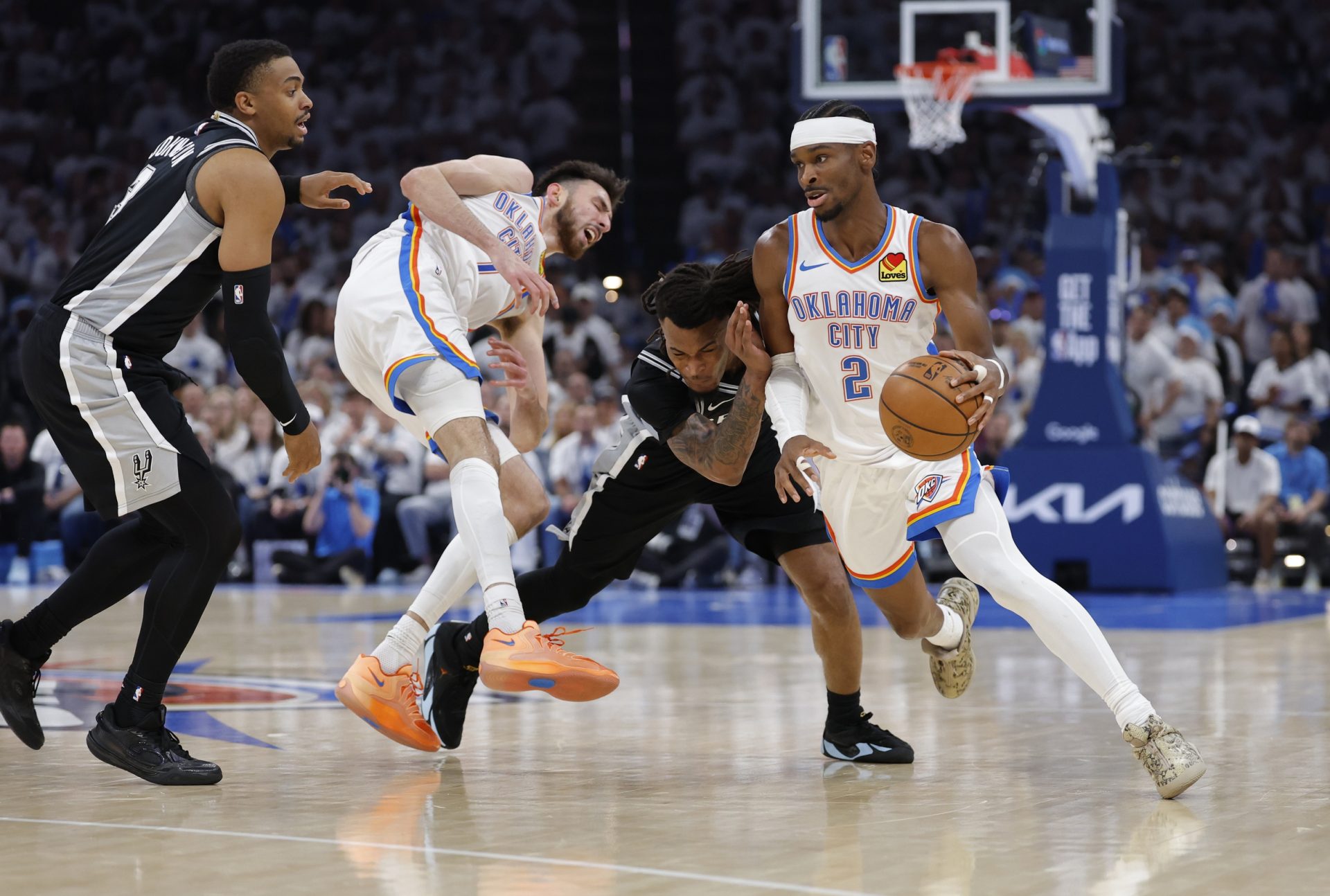
Underdog is standing by a promotional campaign involving Shai Gilgeous-Alexander, despite receiving a cease-and-desist notice. The dispute highlights the growing tension between betting operators, sports marketing, and the use of athlete likenesses in promotional materials.
According to the content provided, the controversy centers on an Underdog promo tied to SGA, the abbreviation commonly used for Gilgeous-Alexander, one of the NBA’s most prominent stars. The company has chosen not to back away from the campaign, even after being formally challenged. That position suggests Underdog believes it has a valid basis for continuing the promotion or is prepared to defend its use of the campaign in the face of legal pressure.
Cease-and-desist letters are often used to demand that a party stop an activity it claims is unlawful or unauthorized. In this case, the notice appears connected to the use of SGA’s name, image, or identity in a promotional setting. Such disputes can arise when brands or platforms reference athletes in advertising without permission, especially when the athlete’s likeness may imply endorsement or association.
The situation is notable because it involves a high-profile player and a company operating in a tightly regulated and highly competitive industry. Sports betting and fantasy platforms frequently use star athletes, player performance, and game-related narratives to attract users. Those marketing tactics can lead to friction when the lines between editorial reference, fan engagement, and commercial use become blurred.
Underdog’s decision to stand by the promo may indicate that it views the campaign as compliant with applicable rules, or that it is willing to test the limits of those rules. It may also reflect confidence that the content falls under permissible discussion of a public sports figure rather than unauthorized endorsement. Regardless, the dispute underscores how aggressively companies in the sports and gaming space use recognizable athletes to build attention and drive engagement.
For Gilgeous-Alexander, the issue adds another layer to his public profile. As one of the NBA’s most visible and marketable players, his name and image carry significant commercial value. Any unauthorized use of that value can trigger legal objections from representatives protecting his rights.
The broader takeaway is that promotional campaigns built around elite athletes are increasingly vulnerable to legal scrutiny. As brands compete for attention, they often push creative boundaries, but those efforts can quickly become contentious when they involve a player’s identity or suggest an endorsement that has not been granted.
The dispute between Underdog and the party sending the cease-and-desist appears to be ongoing, and the outcome may influence how similar sports marketing campaigns are handled going forward. It also serves as a reminder that in the modern sports business environment, even a short promo can raise complex questions about consent, branding, and commercial use.