Twisha Sharma Death Sparks Murder and Suicide Claims, Fueling Media Frenzy After Indian Bride Dies

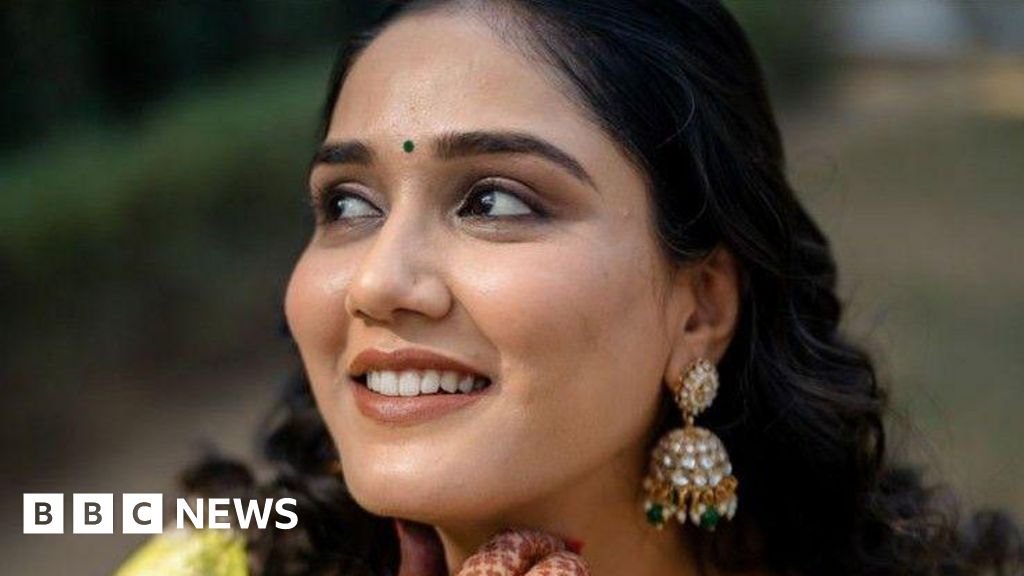
Twisha’s family has refused to cremate her body and has asked for a second post-mortem examination, following concerns raised by the initial autopsy report. The first report, which the BBC has seen, stated that she died by hanging, but it also noted injuries that had been sustained before her death. The family’s decision to seek further examination reflects their demand for greater clarity about the circumstances surrounding her death.
On Friday, the high court agreed to the family’s request, allowing the second post-mortem to proceed. The ruling marks an important development in the case and gives the family an opportunity to pursue additional medical review of the body before final rites are carried out. Their refusal to cremate the body indicates that they do not consider the current findings sufficient to close the matter.
The autopsy report has become central to the family’s concerns because it appears to contain two significant elements: a conclusion that Twisha died by hanging, and a reference to injuries that existed prior to death. While the report points to hanging as the immediate cause, the mention of earlier injuries has prompted questions about whether there may have been other contributing factors or events leading up to her death.
The high court’s acceptance of the request suggests that the family’s concerns will be examined further through the second post-mortem process. Such a step can be critical in cases where there are unresolved questions, especially when the initial findings are not seen as conclusive by the deceased’s relatives. The family’s insistence on an additional examination underscores the seriousness with which they are treating the matter and their desire for a fuller account of what happened.
The case has drawn attention because it involves both a disputed interpretation of medical evidence and a legal intervention aimed at ensuring that the family’s concerns are heard. The request for a second post-mortem indicates that the family is continuing to challenge the circumstances described in the first report. It also shows that they are seeking more than a formal conclusion; they are looking for a clearer explanation of the events that led to Twisha’s death.
By refusing cremation until a second post-mortem is completed, the family has taken steps to preserve the possibility of further investigation. The court’s approval means the body will remain part of an ongoing legal and medical process rather than being immediately released for final rites. This development may help address questions raised by the first autopsy, though the outcome of the second examination will be crucial in determining whether it provides new or different findings.
For now, the case remains open, with the family awaiting the results of the second post-mortem. The first report’s conclusion of death by hanging, combined with its reference to prior injuries, continues to shape public and legal scrutiny. The high court’s decision ensures that the matter will receive another review before any final closure is reached.

/https://i.s3.glbimg.com/v1/AUTH_59edd422c0c84a879bd37670ae4f538a/internal_photos/bs/2026/g/R/stLy9jRcCKQCtQVeS6DQ/globo-canal-4-20260521-2000-frame-81952.jpeg "FGTS libera mais de R$ 16 bilhões na próxima semana para saques e pagamento de dívidas no Desenrola 2.0")