Nunes Marques Prioritizes Indigenous Agenda at TSE and Defends Transport Changes on Election Day

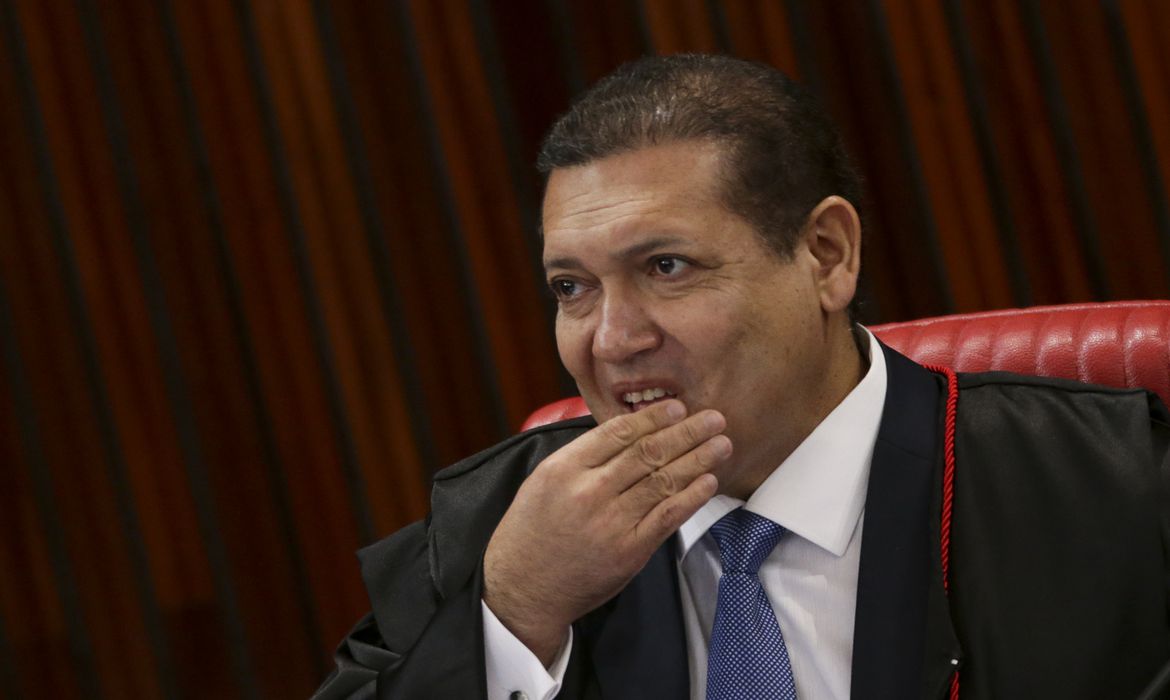
The president of Brazil’s Superior Electoral Court (TSE), Kassio Nunes Marques, has made Indigenous rights a central focus of his tenure, surprising some observers because he was appointed to the Supreme Federal Court by former President Jair Bolsonaro, whose government did not demarcate any Indigenous lands. Since taking over the electoral court on May 12, Marques has repeatedly raised the topic in meetings with election officials and had already led work on resolutions that created funding quotas for Indigenous candidates.
People close to the minister say he is especially concerned with ensuring that Indigenous voters can access accurate information about the electoral process and travel to polling places without political interference. He has said he wants to review the role of mayors in organizing transportation on election day, arguing that local executives can use voter transport to pressure Indigenous voters into supporting their candidates, even though campaigning at the polls is prohibited.


The issue has been discussed in several recent public and institutional appearances. During a visit to Paraná’s regional electoral court at the end of May, Marques highlighted a new Indigenous ombuds office created to improve communication about political rights and the responsibilities of the electoral system. In early February, he also held a public hearing in Belém with Indigenous representatives as part of the process of drafting electoral rules on the subject.
The TSE approved new rules this year expanding Indigenous electoral protections. One key change removed a restriction that had limited transportation for Indigenous voters on election day to within municipal boundaries. The resolutions also require political parties to allocate campaign funding and television advertising time in proportion to the number of Indigenous candidates they present. This funding rule mirrors the quota already used for Black candidates, a category that includes Black and mixed-race Brazilians, since the 2020 elections.
The court also set safeguards to prevent abuse of the Indigenous funding quota. Self-declaration of ethnicity may be checked by Indigenous associations and leaders, and money reserved for this purpose cannot be redirected to other campaigns. Misuse can lead to repayment of funds and rejection of campaign accounts, with the court treating diversion as a serious violation regardless of the amount involved.
Another innovation was the inclusion of International Labour Organization Convention 169, which requires Indigenous consultation before changing polling locations. According to the report, this is the first time the rule has been formally incorporated into Brazil’s electoral system. Other protections from previous elections were maintained, including mandatory training for polling workers on Indigenous sociocultural differences, exemption from Portuguese fluency for voter registration, the option to vote at a different section for convenience, and public campaigns encouraging participation.
The changes come four years after the rise of Brazil’s so-called “feather bench,” a term used for Indigenous women elected to Congress in a 2020 mobilization led by APIB, the national Indigenous movement. Critics, however, say the new funding quota may have limited effect without a requirement for parties to actually nominate Indigenous candidates. Party leaders from the PT and PSOL defended the measures, while several other party presidents did not respond to questions from the newspaper.