:upscale()/2024/09/04/733/n/1922283/tmp_JAg93R_c6d87fb6d9dc2237_DSC_5688.jpg "Navigating Hollywood’s White Culture and the Pressure to Code-Switch")
Christopher Rivas reflects on the pressures faced by Latine and other actors of color in Hollywood, arguing that the industry often rewards assimilation to whiteness while limiting authentic representation. He describes how his body, appearance, and desirability have been shaped by a system where white executives and gatekeepers control opportunities, casting, and career advancement. Rivas says the message is often clear: to succeed, actors must look acceptable to dominant industry standards, even when that means suppressing their natural features, changing their hair, or altering themselves to fit expected roles.
He connects this experience to broader conversations about race, power, and representation that intensified during and after the 2020 protests over George Floyd’s killing. While Hollywood and corporate America publicly embraced diversity, Rivas says the real progress has been limited. He notes that Latines make up a significant and growing share of the U.S. population, yet that diversity is still not reflected on screen in meaningful ways. In his view, the problem is not simply who is cast, but who makes the decisions, signs the checks, and shapes the stories in the first place.

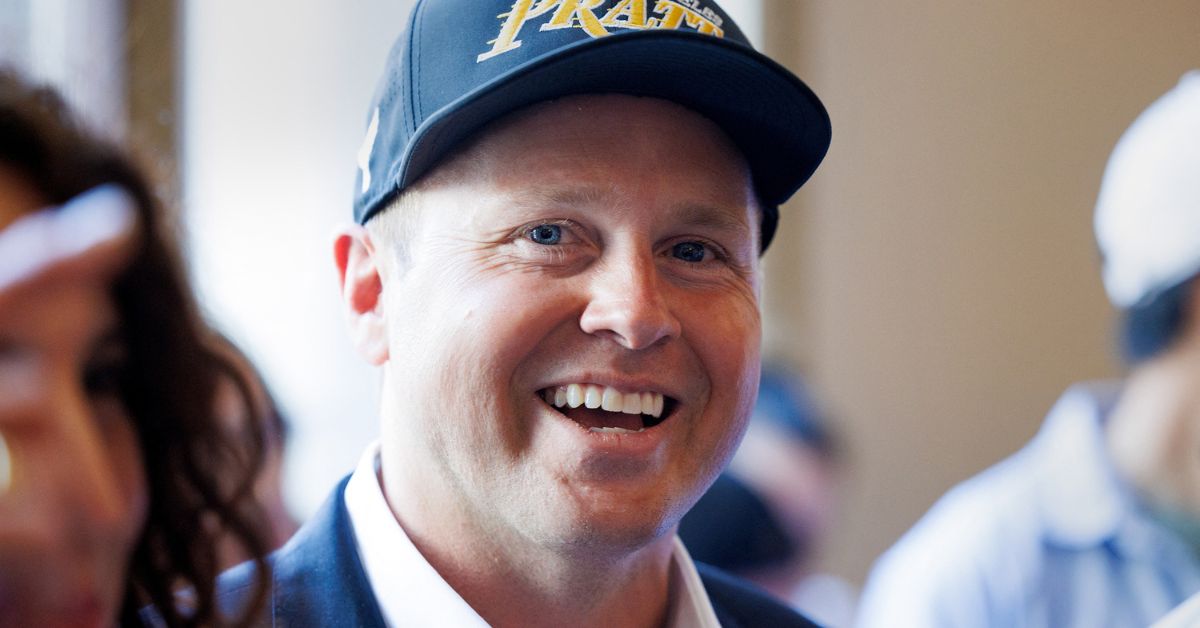
Rivas also discusses the emotional cost of code-switching and self-modification in order to survive in entertainment. He admits that he has personally made compromises, including changing his hair and getting a nose job after early career advice suggested he should “look the part.” Although those choices helped him work more, he says they also reveal the pain of living in an industry that can reward self-erasure. He criticizes the way Hollywood repeatedly confines Black and Brown characters to stereotypes such as criminals, drug dealers, or supporting roles with little depth or growth.
The essay argues that authentic change must begin behind the camera, through more diverse writers, producers, executives, and decision-makers. Rivas imagines a film and television landscape where Brown, Black, South Asian, Cambodian American, and other marginalized characters appear in stories that are ordinary, layered, romantic, funny, futuristic, and fully human, rather than always being defined by race or trauma. He says representation should not be exceptional or treated as a novelty, but become normal and expansive.
Despite the frustrations, Rivas says he has made progress in embracing his natural identity, including wearing his curls unapologetically. He encourages other Latine and BIPOC creators to set boundaries, make their own art, and demand more from the industry. His central message is that belonging, power, and storytelling should not depend on how closely someone matches a narrow standard of whiteness. To build a more honest cultural future, he argues, the people who tell stories must better reflect the world those stories are meant to represent.


:format(jpeg)/u/d/6/phph6i6du.jpg "Taiwan Tensions: HugoDécrypte Documentary Available to Stream")