Indian Community in Northern Ireland Fears After Racially Motivated Arson Attack on Shankill Road

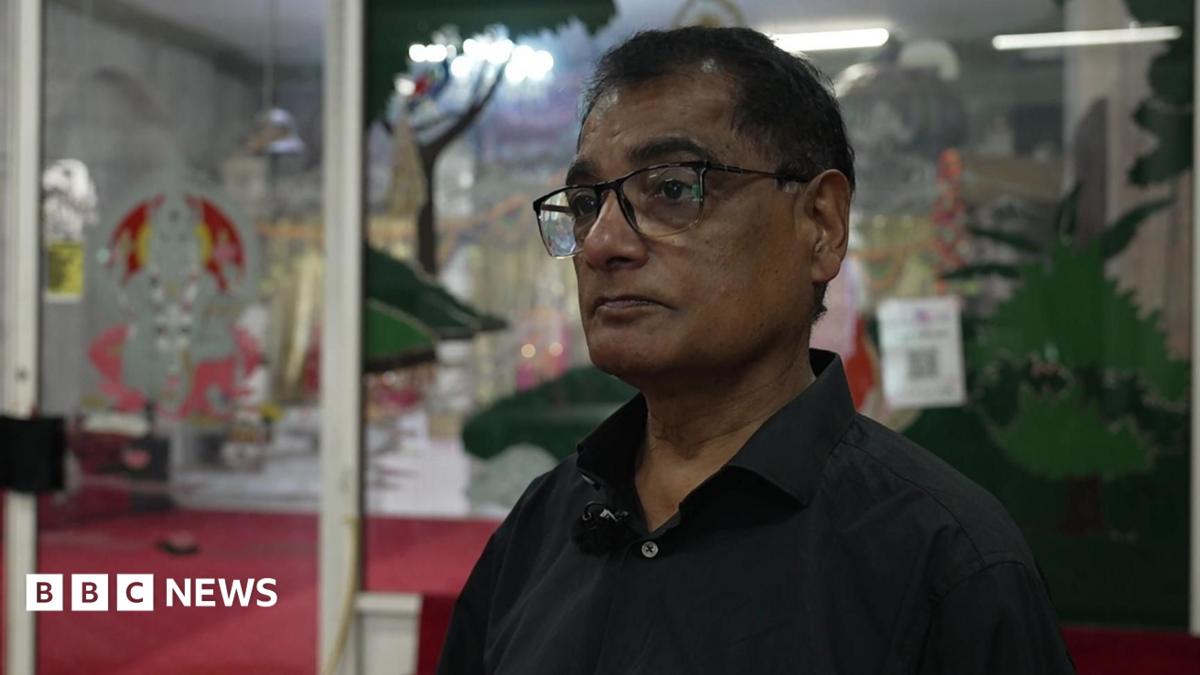
Singha, who serves as chairman of the Indian Community Centre and also works as a consultant doctor, said the recent attack has left many people in the community frightened and uncertain. He told BBC News NI that he is personally “hurt and deeply saddened” by the incident, adding that people have been phoning to ask whether the area is safe. The attack has raised concern among those who use the community centre, particularly because it has revived memories of the riots in Ballymena in June 2025.
Singha said the Indian community has had a long presence in Northern Ireland, where people from India have lived and worked since the 1930s. He said communities have generally coexisted peacefully for decades and that incidents of this kind are deeply upsetting because they run against that history. His comments reflect a wider sense of unease among minority communities, who fear that isolated attacks can create broader insecurity and damage trust.
/https://i.s3.glbimg.com/v1/AUTH_bc8228b6673f488aa253bbcb03c80ec5/internal_photos/bs/2026/7/K/7guDMASvi0hQlQ82SFLg/whatsapp-image-2026-06-08-at-11.23.27-2-.jpeg "US Women’s Team Coach Stunned by Brazilian Fans’ Energy")
According to Singha, the reaction after the attack has been immediate and emotional. People have contacted him asking what has happened and whether they should remain cautious. The fear is not only about the single incident itself, but about whether it could be the start of a wider pattern of unrest. For many in the community, the concern is also practical, affecting daily routines, attendance at the community centre, and confidence in moving around the area.
People Before Profit assembly member Gerry Carroll also raised alarm about the impact on migrant communities. He said some migrants are stockpiling food because they are fearful of another summer of unrest. Carroll argued that the growing migrant population should be seen as a positive development rather than a source of tension. His remarks point to a belief that the government and wider society should be doing more to reassure communities and prevent intimidation.
The comments come against a backdrop of continuing anxiety about public disorder and the treatment of ethnic minorities and migrants in Northern Ireland. Singha’s remarks underline how quickly fear can spread after an attack, especially when communities already feel vulnerable because of previous violence. The issue is not only one of immediate safety but also of long-term confidence, belonging, and social cohesion.
For community leaders, the challenge now is to reassure residents and prevent fear from deepening. The Indian Community Centre remains an important focal point for local support and connection, but the attack has clearly left some people questioning whether the area remains secure. The responses from Singha and Carroll suggest a shared concern that unrest or hostility could discourage integration and undermine the sense of stability that many migrant families have built over generations.




/https://i.s3.glbimg.com/v1/AUTH_da025474c0c44edd99332dddb09cabe8/internal_photos/bs/2025/b/C/wIrxeTRtyTbBlqP5Vofw/100985351-o-detranrj-lancou-na-ultima-terca-feira-o-processo-simplificado-de-pedidos-de-segunda.jpg "Automatic driver’s license becomes law for “good drivers”: how to qualify for the benefit")