The Dragon Boat Festival, celebrated by Chinese communities worldwide, is marked by boat races, drums and rice dumplings, but its origins are tied to a tragic legend. The festival is associated with the death of a beloved Chinese poet who died by suicide after throwing himself into a river. According to the story, villagers searched for him by boat and threw rice into the water to keep fish away from his body. Today, the festival is observed on the 5th day of the 5th month of the lunar calendar. In 2026, it falls on 19 June.
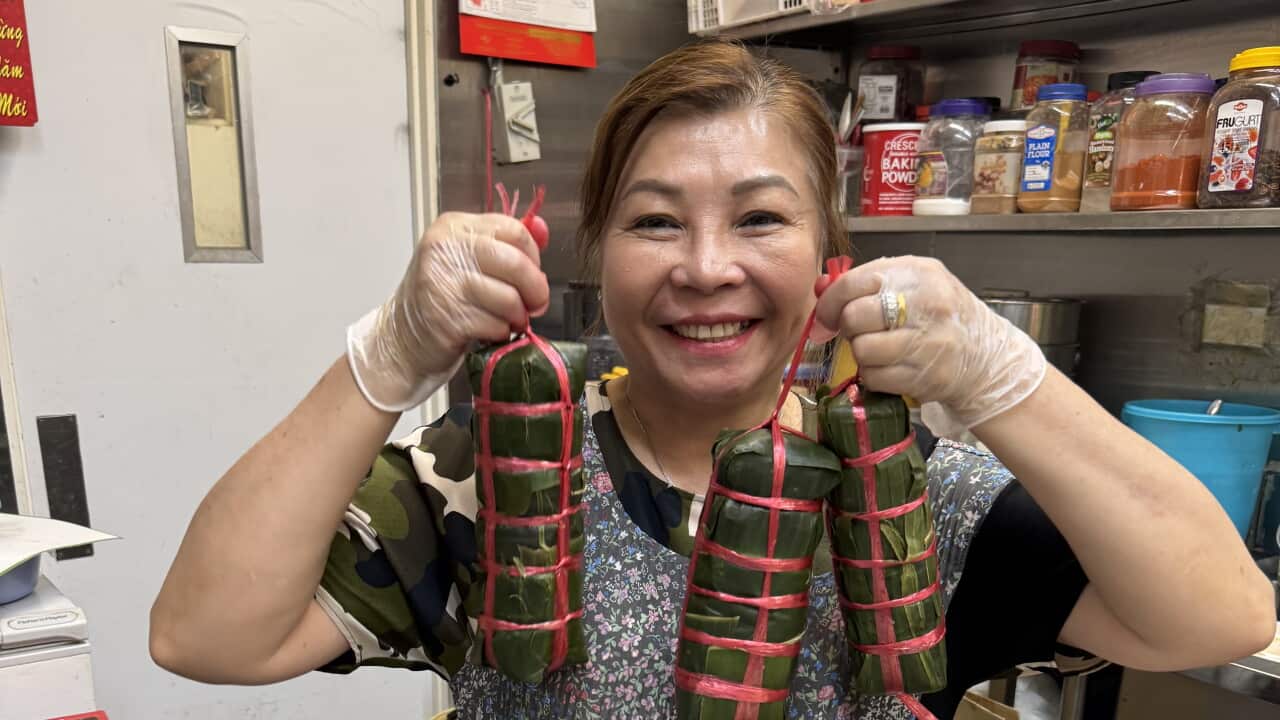
A central part of the celebration is zongzi, the glutinous rice dumplings also known as joong, chang, zhang and bánh tét in different regions. Though the basic idea is similar — rice wrapped in leaves and cooked with filling — the variations are wide. They can be savoury or sweet, triangle, pyramid or cylindrical, and wrapped in bamboo or banana leaves. Fillings range from pork, salted egg and dried shrimp to chestnuts, dates, mung beans and bananas. Some versions are steamed, while others are boiled.
:strip_icc()/i.s3.glbimg.com/v1/AUTH_63b422c2caee4269b8b34177e8876b93/internal_photos/bs/2026/m/t/LrfKVlTyqSGko7jUmQDA/2026-06-06t205537z-2022837537-up1em661m4nvt-rtrmadp-3-soccer-friendly-bra-egy.jpg "Brazil’s Debut Among the World Cup Matches with the Highest Advance Ticket Sales | Business")

Taiwanese-Hakka zongzi, sold by Omni’s owner Omar Hsu, is a rich, meal-sized parcel filled with ingredients such as pork belly, chestnut, salted egg, mushroom, dried shrimp and dried radish. Hsu says the filling and rice are evenly balanced, making one dumpling enough for a full meal. He describes the process as highly labour intensive, from washing leaves and preparing rice to wrapping and tying each parcel. His family helps during the peak season from March to June, with his mother and aunt able to make hundreds in a few hours.
Singaporean-Hokkien zongzi, sold by Huai Fen Neo’s business LamYong, reflects a vegetarian tradition she grew up with. Her version includes chestnuts, peanuts and mushrooms, flavoured with soy sauce and Chinese five-spice powder. Neo says making zongzi is a multi-step family effort that begins with soaking glutinous rice and preparing each filling separately before assembling, wrapping and boiling. She also involves her children in cleaning bamboo leaves, which require soaking first to soften them.
Vietnamese versions, explained by chef Thuy Tran of Melbourne restaurant Hoang Yen, are part of ancestral offerings during the mid-year celebration. Common forms include bánh tét, bánh chưng and bánh ít, with savoury fillings such as marinated pork, mung bean and salted egg yolk, or sweet versions with mung bean and banana. A distinctive feature is coloured rice made with la cam or pandan extract, giving the dumplings aroma and flavour. Tran says the triangle shape is the hardest to make, and she relies on her mother’s skill to assemble them properly.
Across communities, the festival is as much about family labour and shared tradition as it is about food. Although zongzi is deeply loved, it remains time-consuming and difficult to make, which is why many households and food businesses prepare them only seasonally, often with help from relatives.