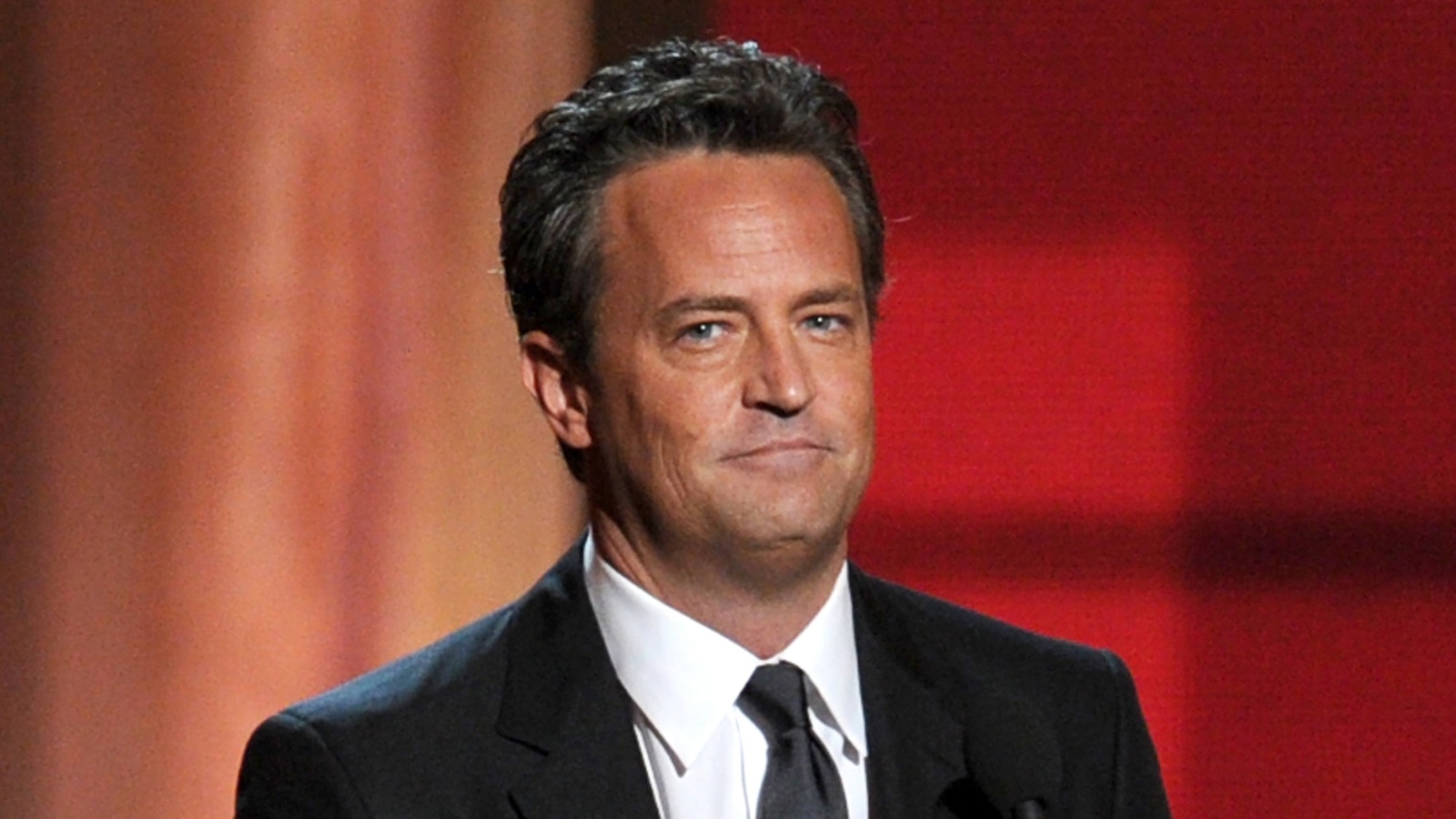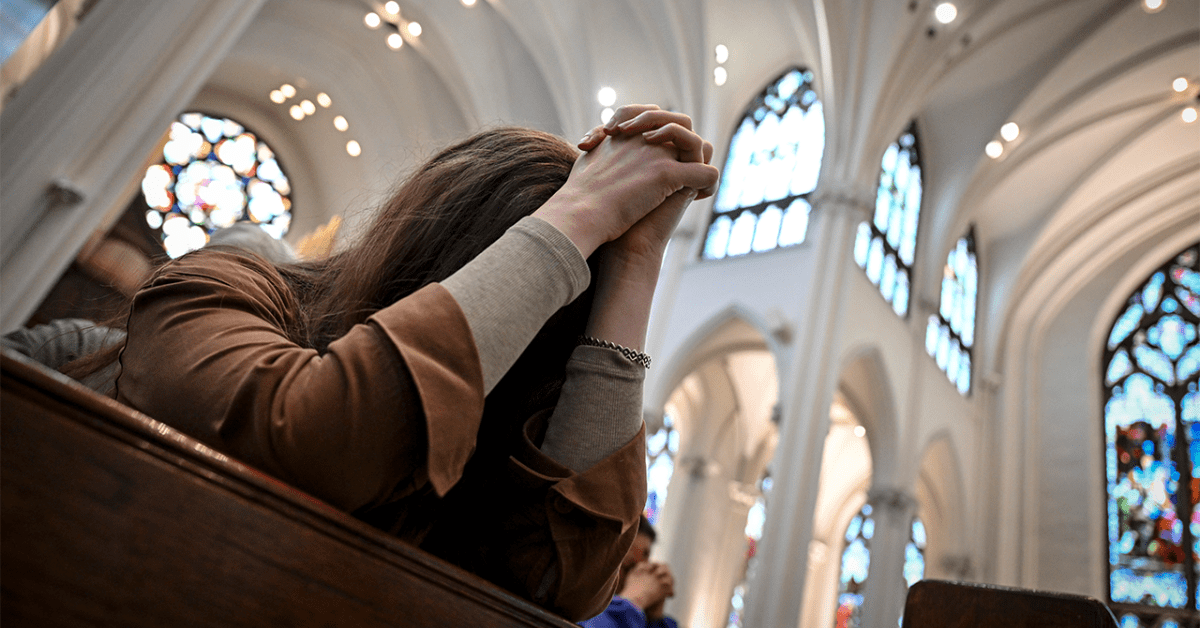
Vice President JD Vance is preparing to release a memoir about the religious path that led him to Catholicism. New Pew Research Center data show that Catholic converts remain a small share of the U.S. adult population, but they are a significant part of the Catholic community and reveal important patterns in religious switching across the country.
According to Pew’s 2023-24 Religious Landscape Study, 1.5% of U.S. adults are converts to Catholicism. Based on an estimated adult population of about 267 million in 2024, that equals roughly 4 million people. Although that is a small slice of the population, the number of Catholic converts is comparable to or larger than the number of Americans in some sizable Protestant traditions, including Presbyterians, Episcopalians and Reformed Christians.
:quality(80)/outremer%2F2025%2F10%2F08%2Fimg-0424-frame-0-68e6de6a4c920708738760.jpg "Le Gosier : une panne électrique touche environ 1 500 foyers ce dimanche matin")

Converts account for 8% of all U.S. Catholics, while the remaining 92% are “cradle Catholics,” meaning they were raised Catholic and still identify with the faith. Pew’s analysis also finds that Catholicism in the United States loses more people through religious switching than it gains. For every adult who joins Catholicism after being raised in another tradition, more than eight adults who were raised Catholic no longer identify as Catholic.
Most converts to Catholicism came from other Christian backgrounds. About 59% were raised Protestant, and another 9% were raised in another Christian tradition such as Orthodox Christianity or The Church of Jesus Christ of Latter-day Saints. Around 22% were raised with no religion. Pew notes that most religious switching happens before age 30, especially among those who convert to or from Catholicism.
Marriage is the most common reason converts give for joining the church. Nearly half of converts said they became Catholic because they had a Catholic spouse or wanted to marry in the Catholic Church. Converts also tend to be more observant in some ways than lifelong Catholics. They are more likely to attend Mass at least weekly, and more likely to receive Communion every time they go to Mass. But Pew found no significant difference between converts and cradle Catholics in how often they pray or go to confession.
Politically, Catholic converts are somewhat more likely than cradle Catholics to identify as Republican or lean Republican. Among Catholic registered voters in Pew’s survey, 60% of converts identified that way, compared with 52% of lifelong Catholics.
Demographically, Catholic converts are more likely to be White and born in the United States. Hispanics make up 20% of Catholic converts, compared with 37% of cradle Catholics. Immigrants also account for a smaller share of converts than of lifelong Catholics.
The analysis comes as attention grows around Catholic conversion stories in public life, including Vance’s. Pew notes that about one in four married Catholics is married to someone of a different faith, and 1% are married to a spouse from a non-Christian religious background.