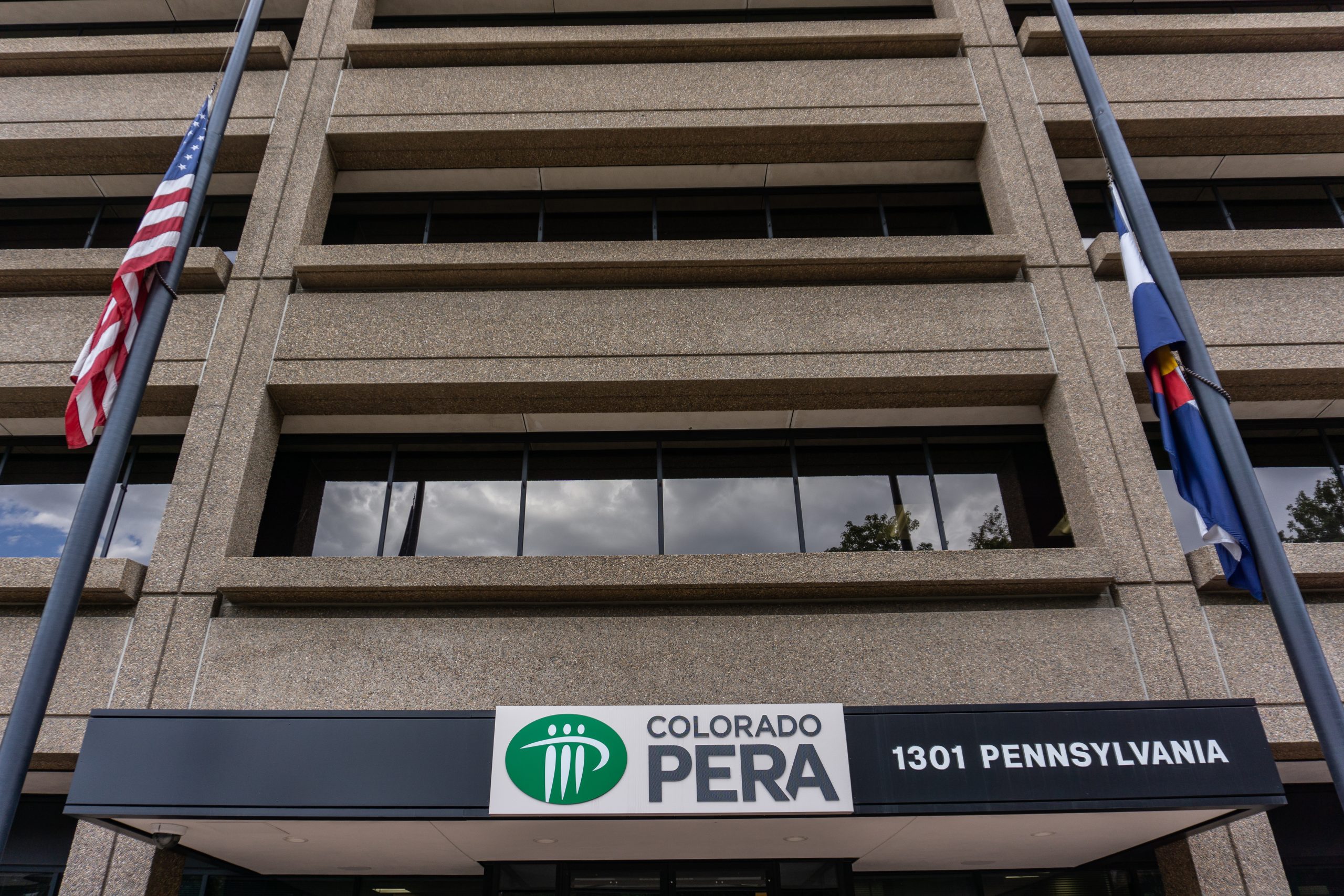
In 2022, the Colorado Public Employees’ Retirement Association, or PERA, suffered its worst investment year since the Great Recession, losing $9.8 billion and falling 13.4% on its portfolio. Yet in the year after those losses, the pension’s investment staff received some of their largest bonuses ever. On average, investment employees more than doubled their take-home pay, with average incentive awards of about $299,000, or 124% of salary. Nine investment officials received more than $400,000 each in annual bonuses, and two tripled their base salaries through incentive pay.
The bonus system has drawn criticism because Colorado retirees, teachers, state workers, and other public employees have spent years absorbing benefit cuts, higher contributions, and reduced cost-of-living adjustments to help close PERA’s funding gap. Since 2010, PERA has made two rounds of benefit reductions and contribution increases to address a $29 billion shortfall. Retirees have lost 21% of their pension’s value to inflation, according to a PERA report, meaning an average retiree receiving $39,000 a year has effectively seen an $8,000 annual cut in purchasing power.


PERA officials say the compensation policy is necessary to recruit and retain top investment talent in a competitive market. They argue the bonus structure helps the fund outperform private management and avoids the higher cost of outsourcing investments. PERA leaders say their long-term returns have been strong overall, with an average 8.3% return over the last decade, placing the system among the top performers for public pensions.
But critics argue the incentives are disconnected from the fund’s broader financial condition. PERA evaluates investment staff mainly against market benchmarks, not against whether the pension system is fully funded or whether retirees are losing ground to inflation. As a result, staff can receive large payouts even in years when the fund loses money, so long as their division beats its benchmark over a longer period. In 2022, for example, PERA’s global equities division lost 20.6%, worse than its benchmark, yet employees still received major bonuses because of prior long-term performance.
The scale of the payouts has grown sharply. PERA’s bonus pool rose from $4.6 million in 2018 to $11.7 million, and then to $13.1 million after another board increase. Through records obtained by The Colorado Sun, the reporting found that many investment staff doubled their salaries through bonuses, and all eligible investment employees received some incentive pay. The average bonus per employee climbed from $187,000 in 2020 to $294,000 in 2024.
The article also notes that PERA’s compensation is unusually generous compared with many other public pension systems. Some systems cap bonuses, do not count incentive pay toward retirement benefits, or limit total pay to peer medians. In contrast, PERA’s bonuses can count toward future pension benefits, making them even more valuable over time. Critics say this undermines the idea of shared sacrifice that has shaped Colorado’s pension reforms, especially as current workers and retirees continue to face financial strain while PERA staff collect six-figure incentives.


/https://i.s3.glbimg.com/v1/AUTH_59edd422c0c84a879bd37670ae4f538a/internal_photos/bs/2026/K/n/Q4ouzZRyKcQiXkR9ZZjg/design-sem-nome-2026-03-30t094628.188.png "Justice revokes singer’s house arrest over R0,000 child support debt")

/https://i.s3.glbimg.com/v1/AUTH_da025474c0c44edd99332dddb09cabe8/internal_photos/bs/2026/h/L/S5NfUbRPyhCXFiyKwY1Q/famosos-2026-05-25t103742.116-1-.jpg "Meghan Markle reveals Harry and the children’s surprising favorite at home")