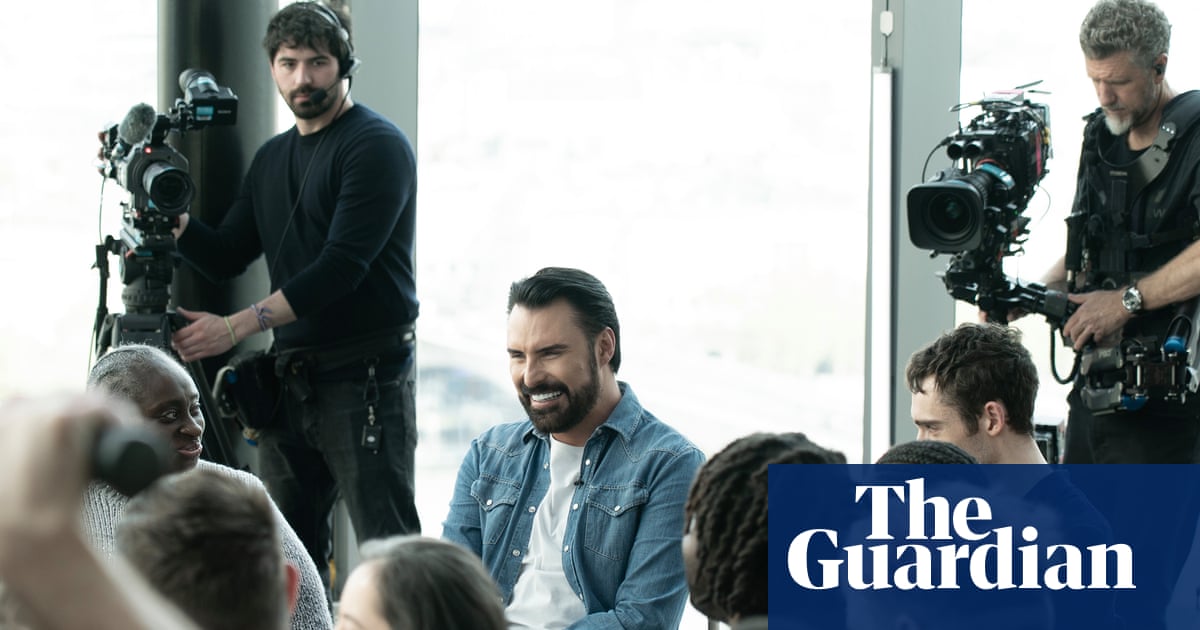
Rylan Clark’s appearance on The Assembly delivers a sharp example of why the ITV interview format has become one of television’s most distinctive talk shows. From the moment he arrives, visibly nervous about what the panel might ask, the tone is set for an unscripted conversation in which no subject is off limits. The opening questions are blunt and funny, but the exchange quickly moves into more personal territory, touching on his infidelity, divorce, family relationships, coming out as gay and how he deals with the fallout when friends face public cancellation.
What makes the episode stand out is the balance between emotional honesty and playful spontaneity. Rylan is pushed to reflect on painful parts of his past, and the result is a mix of tears, candour and self-deprecating humour. Yet the mood is not relentlessly heavy. The neurodivergent panel also finds room for warmth and mischief, including reminders of old acquaintances, matchmaking attempts and a group singalong that turns the half-hour into a genuinely uplifting television moment. By the end, Rylan calls it the best thing he has ever done.

The piece argues that The Assembly has reinvigorated the stale celebrity interview format by giving interview control to a collective of autistic, neurodivergent and learning-disabled panellists. The show’s structure rejects the usual polished promotional chatter of conventional chat shows and instead creates space for direct, unpredictable and often moving exchanges. The format originated in France under the title Les Rencontres du Papotin and gained attention after President Emmanuel Macron was grilled in a memorable episode. UK producers then brought it to British screens, first with a BBC pilot featuring Michael Sheen, before ITV picked it up as a full series.
The article highlights the series’ growing success, noting that early guests such as Danny Dyer, David Tennant, Jade Thirlwall and Gary Lineker helped establish its appeal. The show has since earned awards, a Bafta nomination and international commissions. It has also built a loyal audience online, with Dyer’s episode becoming its most-watched on YouTube. The appeal lies partly in the authenticity of the conversations and partly in the visibility it gives to people with Down’s syndrome, autism and complex learning disabilities, who are rarely given such prominent, empowered screen time.
Producers say the show works because it prioritises entertainment while also offering representation. The panel’s age range, broad mix of backgrounds and varied perspectives help avoid stereotypes and infantilisation. Regular contributors have become familiar faces, each bringing a different style, from piercing personal questions to factual knowledge and literary flair. A house band closes each episode with a song meaningful to the guest, adding to the show’s celebratory tone.
The second series continues that formula, with Stephen Fry, Nicola Sturgeon and others facing unexpectedly direct questioning. The article suggests that the format’s emotional power comes from long recording sessions, relaxed pacing and a willingness to let awkwardness, humour and sincerity coexist. That combination, it argues, makes The Assembly not just inclusive television, but unusually compelling television too.