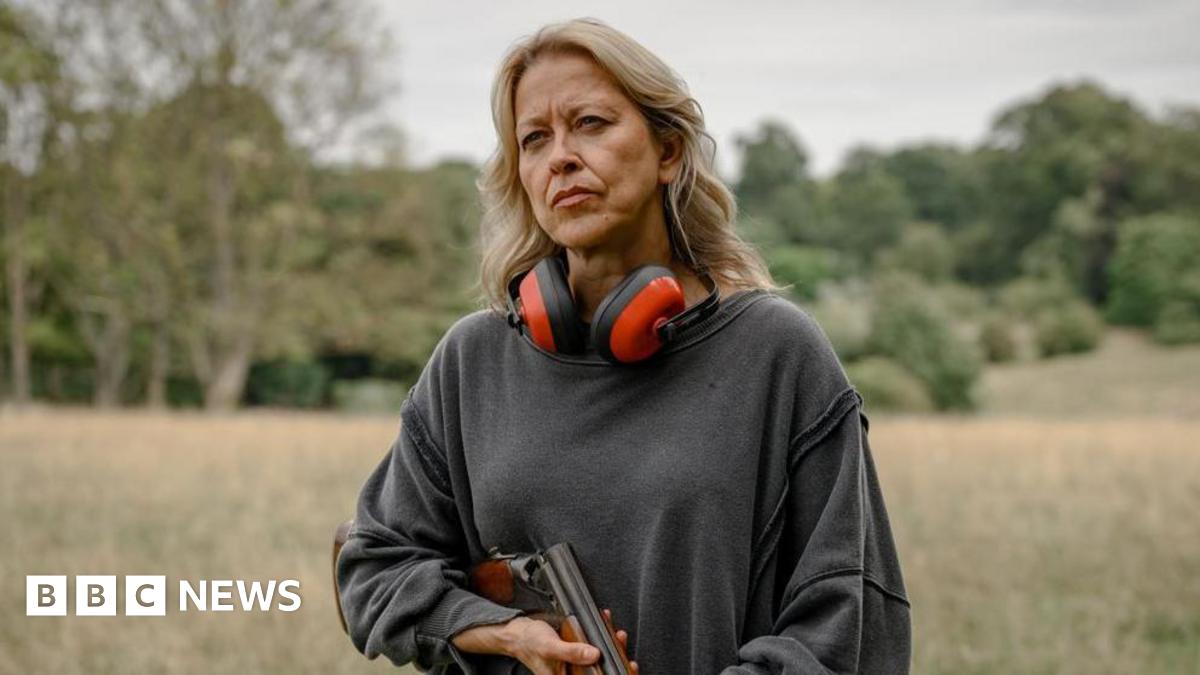
Nicola Walker says her new comedy-drama Alice and Steve may be the closest she has come to playing herself, even though the story begins with an explosive and unusual premise. The six-part series, written by Sophie Goodhart and co-starring Jemaine Clement, follows Alice, played by Walker, after she discovers that her best friend Steve is dating her 26-year-old daughter, Izzy. The revelation sets off a chain of conflict, turning a friendship into a mix of comedy, resentment, jealousy and revenge.
Walker, known for playing detectives, lawyers and women navigating difficult lives, says the emotional heart of the story feels highly recognizable, especially from a parent’s point of view. She explains that although the plot is dramatic, the feelings it explores are rooted in familiar parenting experiences. As a mother, she says every relationship her son has had has been a surprise, and that parenting changes dramatically as children grow from being small, trusting children into teenagers and adults who form their own romantic relationships.


She describes that shift as especially difficult because parents lose the sense of control they once had. When children are young, parents often feel they are able to guide everything, and the child tends to accept what they say. But as children get older, they develop independence, bring romantic partners into the family orbit and make choices their parents may not expect. Walker says this can be a major emotional adjustment for parents, who must learn to step back rather than intervene.
For Alice, that is exactly the challenge. Walker says the character is the opposite of a parent who can stay calm and keep quiet. Instead, Alice reacts strongly and gets drawn into the conflict. In real life, Walker suggests, the best approach is often to say as little as possible and avoid trying to control the situation.
She jokes that a friend once advised her to become “bovine” around teenagers — in other words, to remain passive, respond with a simple “mm-hmm,” and appear to agree without escalating tension. Walker laughs off the advice, but the point reflects the broader parenting lesson she is describing: sometimes the hardest thing is not to react.
The series uses that tension as the basis for a story that blends comedy with emotional conflict. While the premise may seem extreme, it taps into themes of loyalty, family boundaries, friendship and the painful reality of watching loved ones make decisions you may not understand. Walker’s comments suggest that the show’s strength lies in turning a wild situation into something audiences can still recognize in their own lives.
With its mix of humour and emotional stakes, Alice and Steve explores how quickly personal relationships can unravel when family and friendship collide, and how parents must often navigate the messy, unpredictable process of letting their children choose their own lives.