“I Don’t See How There Could Be a Shake-Up”: Gérard Larcher Poised to Stay on as Senate President

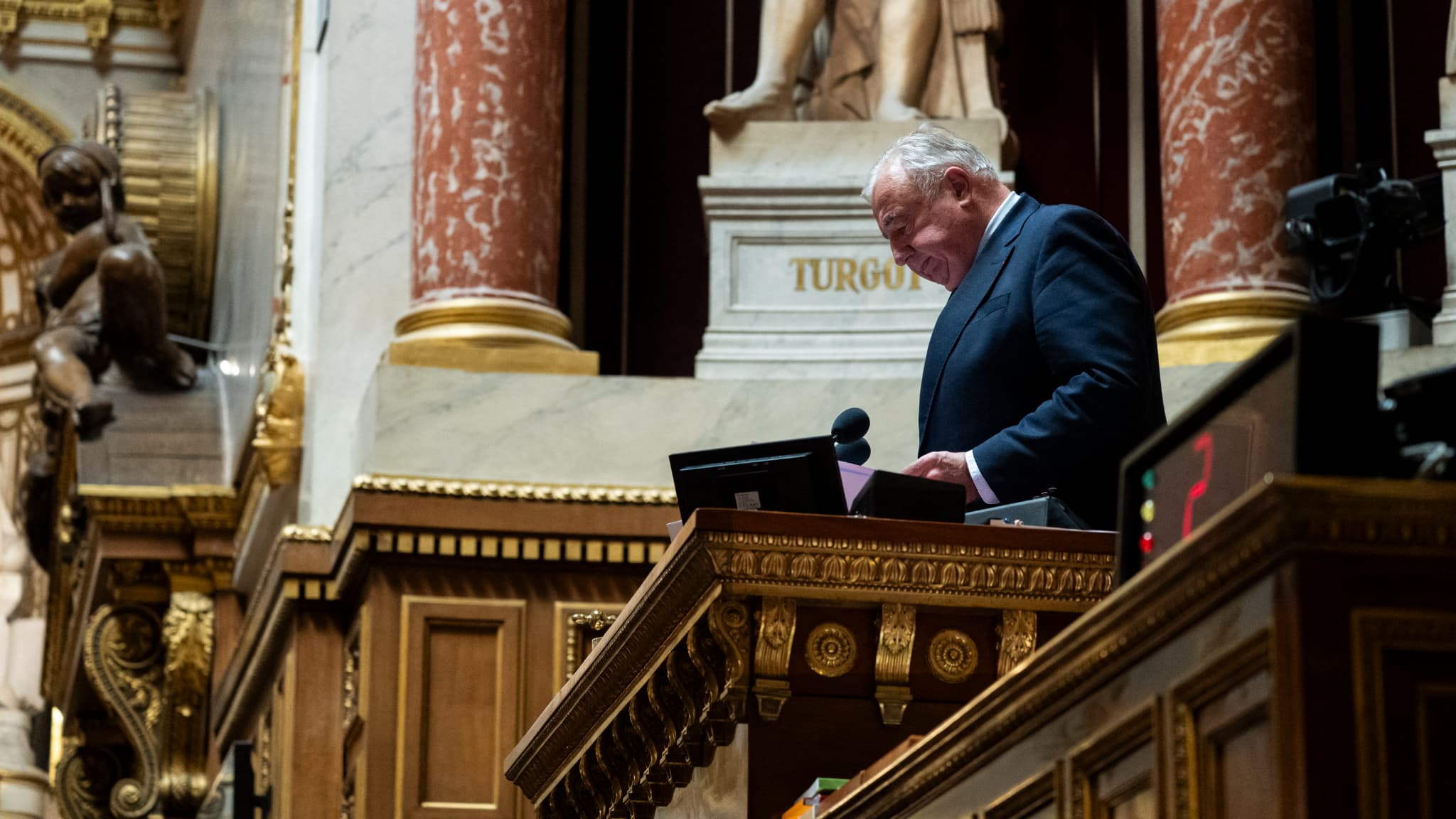
Gérard Larcher has officially confirmed that he will seek another term as president of the French Senate ahead of the September 2026 senatorial elections. The veteran Les Républicains senator from Yvelines, who has led the upper house since 2008 except for the 2011–2014 period when Jean-Pierre Bel held the post, is aiming to extend his long tenure at the head of one of France’s most important institutions. He said on May 31 that he hoped his colleagues would trust him again for another three years.
At 76, turning 77 in September 2026, Larcher appears to face little real threat to his position. The Senate is renewed by half every three years, and his seat is not among those at risk in the upcoming vote. The current majority in the chamber, made up mainly of Les Républicains and centrist allies, is widely expected to remain intact despite possible seat losses. Even if the National Rally gains ground and other opposition groups maintain their own candidates, few observers expect any serious disruption to the balance of power in the upper house.


Larcher’s position is further strengthened by the absence of a serious challenger within his own camp. Centrist Senate leader Hervé Marseille has signaled that there is no reason for his group to field its own candidate, while close ties between the two camps make an internal contest unlikely. In earlier years, Larcher had faced potential rivals, including Jean-Pierre Raffarin, who twice failed to win the presidency of the Senate, and more recently Philippe Bas and Bruno Retailleau. But Bas was appointed to the Constitutional Council in 2025, and Retailleau has turned his attention toward a presidential bid.
His longevity is widely attributed to political skill, careful balancing, and his ability to maintain relations across party lines. Supporters and colleagues describe him as someone who knows how to share responsibilities, distribute roles, and keep both allies and opponents engaged. François Patriat, leader of the macronist group in the Senate, said Larcher has mastered the art of working with everyone. Hervé Marseille also credited him with restoring the Senate’s identity and political weight, especially during Emmanuel Macron’s first term in office.
The Senate has indeed played a more assertive role in recent years, serving as a counterweight to the executive and the National Assembly. Under Larcher’s leadership, the chamber has taken prominent positions on major issues, including the Benalla affair, the government’s handling of the COVID-19 crisis, and constitutional reform efforts backed by President Macron.
Though often associated with the image of a traditional senator, Larcher remains an active political figure. Observers say he is energetic, strategic, and highly engaged in parliamentary life. The main question now is how long he intends to stay. Some believe the 2026–2030 term could be his last before he reconsiders in 2030, when his Senate seat itself will again be up for election. For now, however, Larcher is focused on securing his re-election and on another major challenge: persuading the right and the presidential camp to support a joint candidate in the next presidential race.