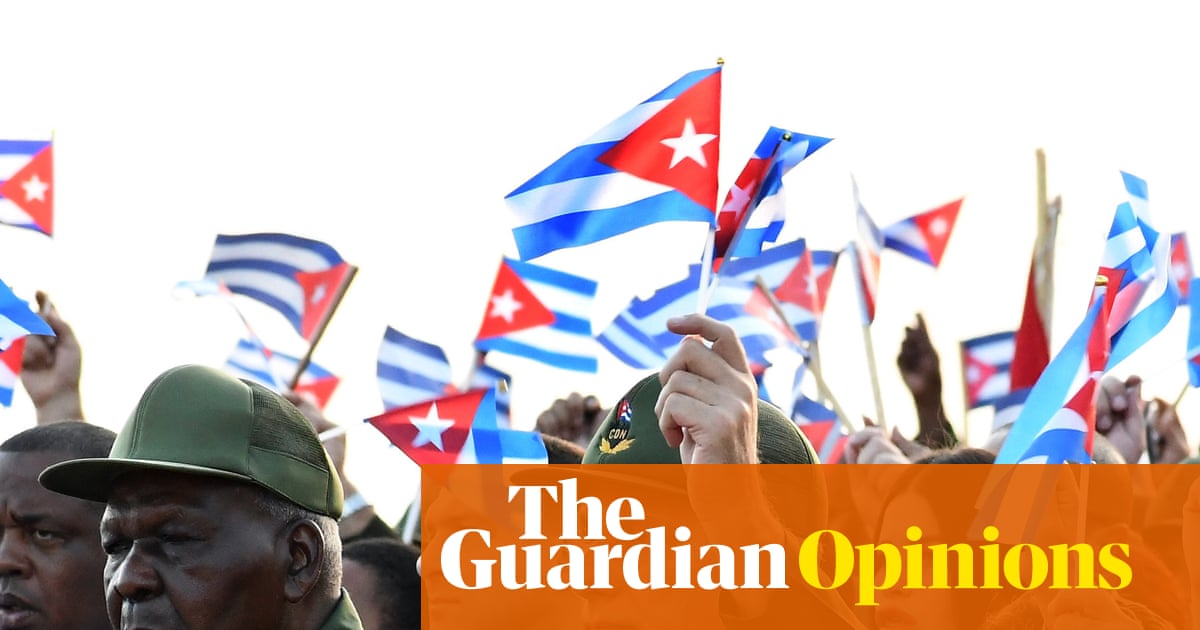
America’s Independence Day, once widely seen as a shared civic ritual, is increasingly being pulled into the country’s partisan conflict, with July Fourth celebrations now reflecting deeper political division. The holiday’s traditional symbols—flags, parades, fireworks, family gatherings, and public ceremonies—remain familiar, but the meaning attached to them is becoming more contested. For many Americans, the day still represents national pride and collective memory. For others, it has become a moment to question whether the ideals of liberty, equality, and unity are being fully honored in practice.
The growing polarization around the holiday mirrors broader tensions in American public life. Political identity now shapes how people interpret national symbols and public events, and Independence Day is no exception. Displays of patriotism that once felt broadly unifying can now be read through a partisan lens, with different groups attaching different meanings to the same gestures. As a result, what was historically a celebration of shared nationhood is increasingly filtered through disputes over history, race, immigration, institutions, and the role of government.

This shift is also visible in how Americans discuss the country’s founding. The Declaration of Independence’s language about freedom and rights continues to inspire, but it is also measured against the nation’s historical contradictions and present-day divisions. Some Americans emphasize the founding ideals as evidence of the country’s enduring promise. Others point to the gap between those ideals and the lived reality of many communities. That tension has made the holiday less about simple celebration and more about interpretation, critique, and competing narratives of what America is and should be.
Public celebrations can now carry political subtext even when they are not explicitly partisan. Community events may be shaped by debates over which values are being honored, who is included in the national story, and whether patriotic display is being used to signal political allegiance. The result is a more fractured holiday atmosphere, where consensus is harder to find and disagreement more visible.
At the same time, many Americans continue to approach July Fourth in a nonpolitical way, focusing on time with family, local festivities, and summer traditions rather than ideological conflict. That persistence suggests the holiday still has the power to connect people across differences, even if the cultural environment surrounding it has changed. But the fact that Independence Day is now often discussed in terms of partisan division shows how deeply politics has penetrated everyday civic life.
In that sense, the holiday has become a symbol of the larger American condition: a nation that still shares core democratic ideals, but increasingly struggles to agree on how those ideals should be understood, celebrated, and defended. Instead of serving only as a unifying event, Independence Day is now also a reflection of the country’s political fragmentation.