French Open 2026: Aryna Sabalenka vs. Naomi Osaka to feature in first women’s night match at Roland Garros since 2023

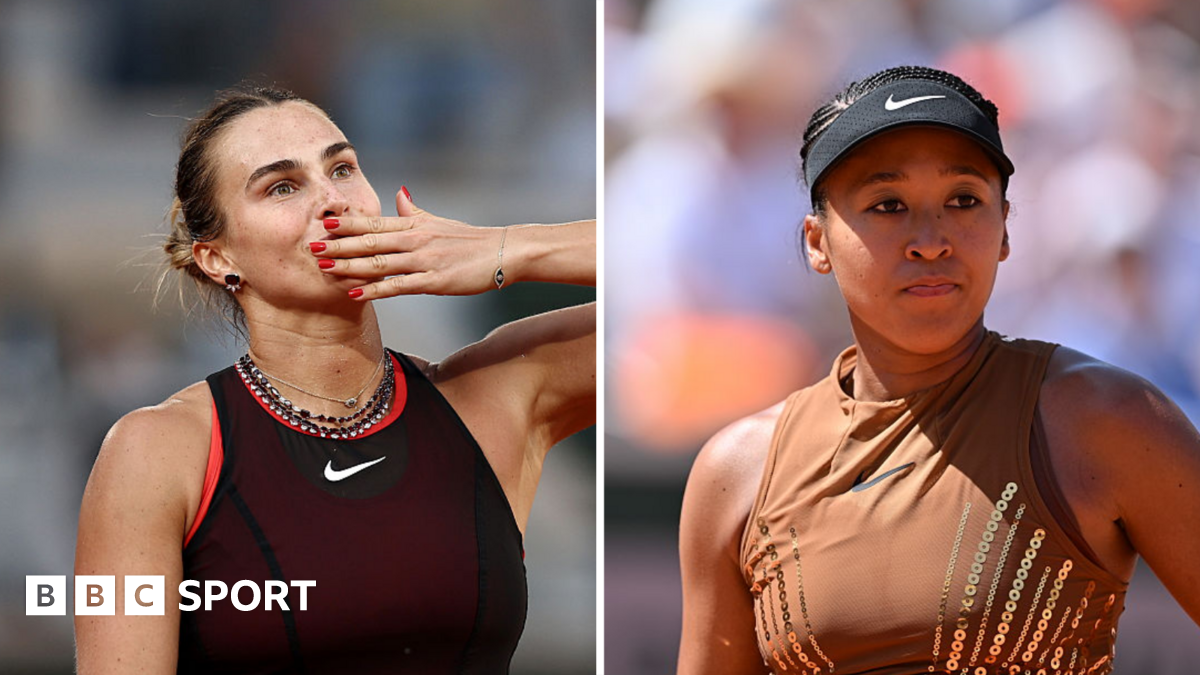
Concerns over the French Open’s treatment of women’s tennis have resurfaced after recent criticism from leading players and fresh discussion between the WTA and Roland Garros organisers. In 2023 and again last year, players including Jessica Pegula and Ons Jabeur publicly questioned whether the women’s game was being given enough visibility at the tournament. Pegula said she felt like she was “hitting her head against the wall,” while Jabeur asked whether the people making such decisions “have daughters,” reflecting frustration over the perceived lack of progress.
The issue was brought back into focus this week when newly appointed WTA chief executive Valerie Camillo met with French Open tournament director Amelie Mauresmo at Roland Garros. Camillo sought answers over how the event presents women’s tennis, according to the WTA. The governing body said the discussion was open and productive, and Camillo reiterated her view that women’s players have produced some of the “most exciting and dynamic competition in global sport” in recent years.
Mauresmo, a former women’s world number one, has repeatedly defended the French Open’s current approach. She has argued that the scheduling choices are driven by concerns that women’s matches may finish too quickly, which she believes creates problems for the structure of the night session. Her position has remained consistent even as criticism has grown from players and observers who say the tournament should do more to showcase the women’s draw.
Night-session tickets for the 2026 French Open are priced between €60 and €280, underscoring the commercial value of the prime-time slots. Despite that, Mauresmo has said the tournament does not plan to extend night sessions to include two matches, as happens at the Australian Open and the US Open. She has cited fears that doing so could lead to very late finishes, which the French Open wants to avoid.
The debate highlights a broader conversation in tennis about equal visibility, scheduling, and promotion for women’s matches at major events. Supporters of change argue that elite women’s tennis deserves more prominent placement because of the quality and entertainment value it delivers. Tournament officials, meanwhile, continue to balance sporting fairness, broadcast demands, and logistical concerns. As discussions continue, the French Open remains under pressure to show that its treatment of the women’s game matches the standards set by the sport’s biggest stage.