At Four, Her Head Was Shaved and Her Clothes Burned: Aunty Lorraine’s Stolen Generations Trauma Must Not Be Forgotten

A new national plan is calling on Australian governments to deliver long-promised support for Stolen Generations survivors, as elderly survivors and advocates warn that many are entering their final years without adequate care, records access or compensation. The Healing Foundation’s plan, From Sorry to Action: A plan to act on Bringing Them Home, has been released ahead of Sorry Day commemorations, nearly 30 years after the landmark Bringing Them Home report first documented the harm caused by child removal policies.
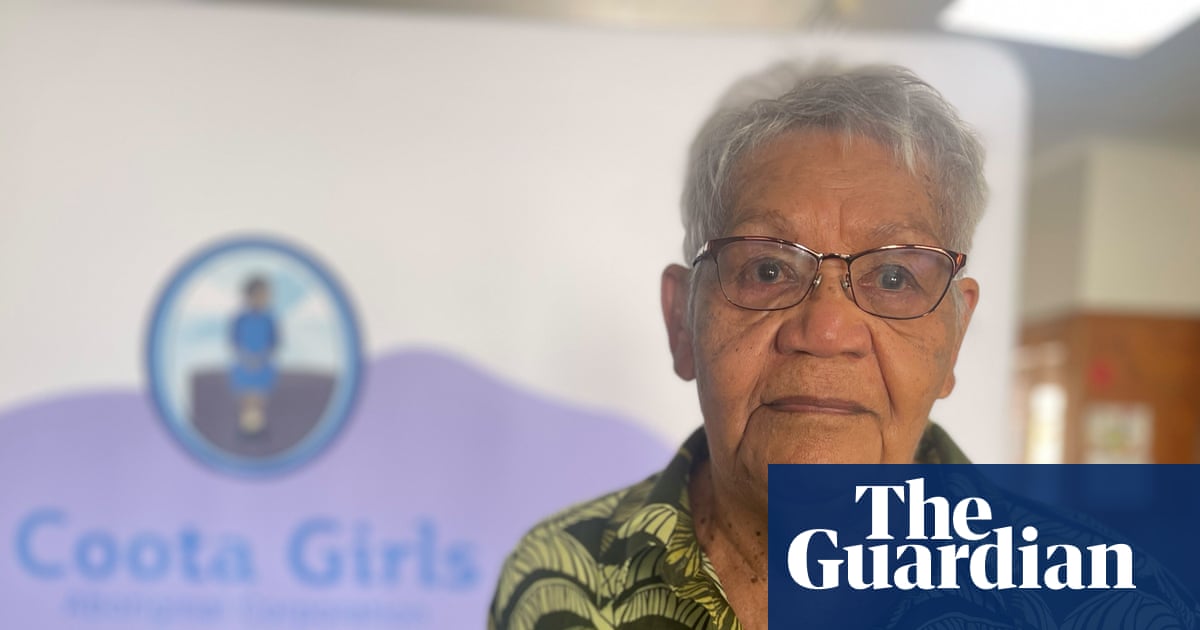
The story is framed through the experience of Aunty Lorraine Peeters, who was taken from her home at Brewarrina mission in north-west New South Wales at age four, along with her brothers and sisters. She recalls being taken to the Cootamundra Aboriginal Girls Home, where her clothes were burned, she was deloused, her head shaved and given a new identity and religion. She says she was trained to be a domestic servant and systematically taught to abandon her culture, with the message to “be white, speak white, live white every day.”

Peeters, now 88, has spent decades advocating for survivors. She gave evidence to the national inquiry that produced the Bringing Them Home report, co-founded the Coota Girls Aboriginal Corporation, and helped create trauma-informed support for survivors and their families. In 2008, she presented then prime minister Kevin Rudd with a coolamon symbolising lost children ahead of the national apology.
The new report argues that advocacy has not translated into enough action. It says many survivors still face unresolved trauma, disability, poor mental health and limited services, while their organisations remain underfunded. The Healing Foundation and its chief executive, Shannon Dodson, say governments must act urgently because many survivors are now eligible for aged care and require culturally safe, trauma-informed services that do not retraumatise them.
Among the recommendations are removing medical co-payments for survivors, creating a comprehensive redress scheme in every state and territory, and establishing an access and priority card so survivors can more easily receive primary health and aged care support. The report also highlights the ongoing problem of access to records held by churches, governments and other institutions, which are often essential for survivors seeking family reunification and a clearer sense of identity.
Australia’s Stolen Generations refer to Aboriginal and Torres Strait Islander children removed from their families under assimilation policies that continued until the 1970s. Many were placed in institutions, foster care or adopted into non-Indigenous families, and many experienced abuse and severe neglect. Estimates suggest between one in 10 and as many as one in three Indigenous children were removed between 1910 and 1970.
Dodson says progress has been piecemeal since the Bringing Them Home report and the national apology, with Queensland still lacking a targeted compensation scheme despite Western Australia announcing one last year. She says the country has spent too long repeating calls for action while thousands of survivors have already died.
For Peeters, the issue remains deeply personal. She says she has built a good life for her children and grandchildren, and after years of searching she returned to the place where she was born, taking soil, bark and gum leaves home with her. For her, that return felt like rebirth. She says the legacy of survivors must continue, and governments must finally meet their duty to those still living with the consequences of removal.