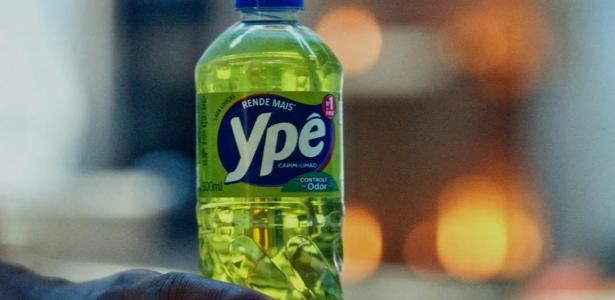
Anvisa has authorized the resumption of operations at Ypê’s factory in Amparo, São Paulo, and has also cleared the use of some products manufactured at the unit that had previously been blocked. The decision, announced on May 29, allows Ypê to restart production after the plant was found to meet the safety requirements set by the agency.
However, the restriction on older batches remains in place. Detergents, liquid soaps, and disinfectants produced at the Amparo facility up to March 31, 2026, and identified with a final lot number “1,” are still prohibited from sale and use because of a risk of bacterial contamination. Products manufactured from April 1, 2026 onward are now allowed to be purchased and used.

The agency’s update means that consumers who have newly produced items from the factory can use them normally, but they should continue to check packaging and lot information carefully. Any affected products from the older batches should remain sealed and stored in a safe place until further guidance is issued. Anvisa specifically advises consumers not to discard these items down drains or sinks.
The measure is part of Anvisa’s broader effort to prevent potential health risks linked to contamination in cleaning products. While the factory has been cleared to resume activity, the prohibition on earlier batches remains as a precaution while authorities manage the safety issue. Ypê’s return to production offers partial relief for supply, but the older products under restriction still require consumer caution.
Consumers who possess items from the affected lots should verify the manufacturing date and lot code before using them. If the product was made on or before March 31, 2026 and the batch ends in “1,” it should not be used. Those products should be kept closed and stored away from children, food, and other household items until official instructions change.
The approval for the plant to operate again suggests that safety conditions have been addressed at the facility itself, but it does not remove the contamination concern for the previously manufactured batches. As a result, the release applies only to products made after the cutoff date.