Longest Solar Eclipse of the Century in 2027: Earth to Darken for Over 6 Minutes — Here’s Where It Will Be Best Visible

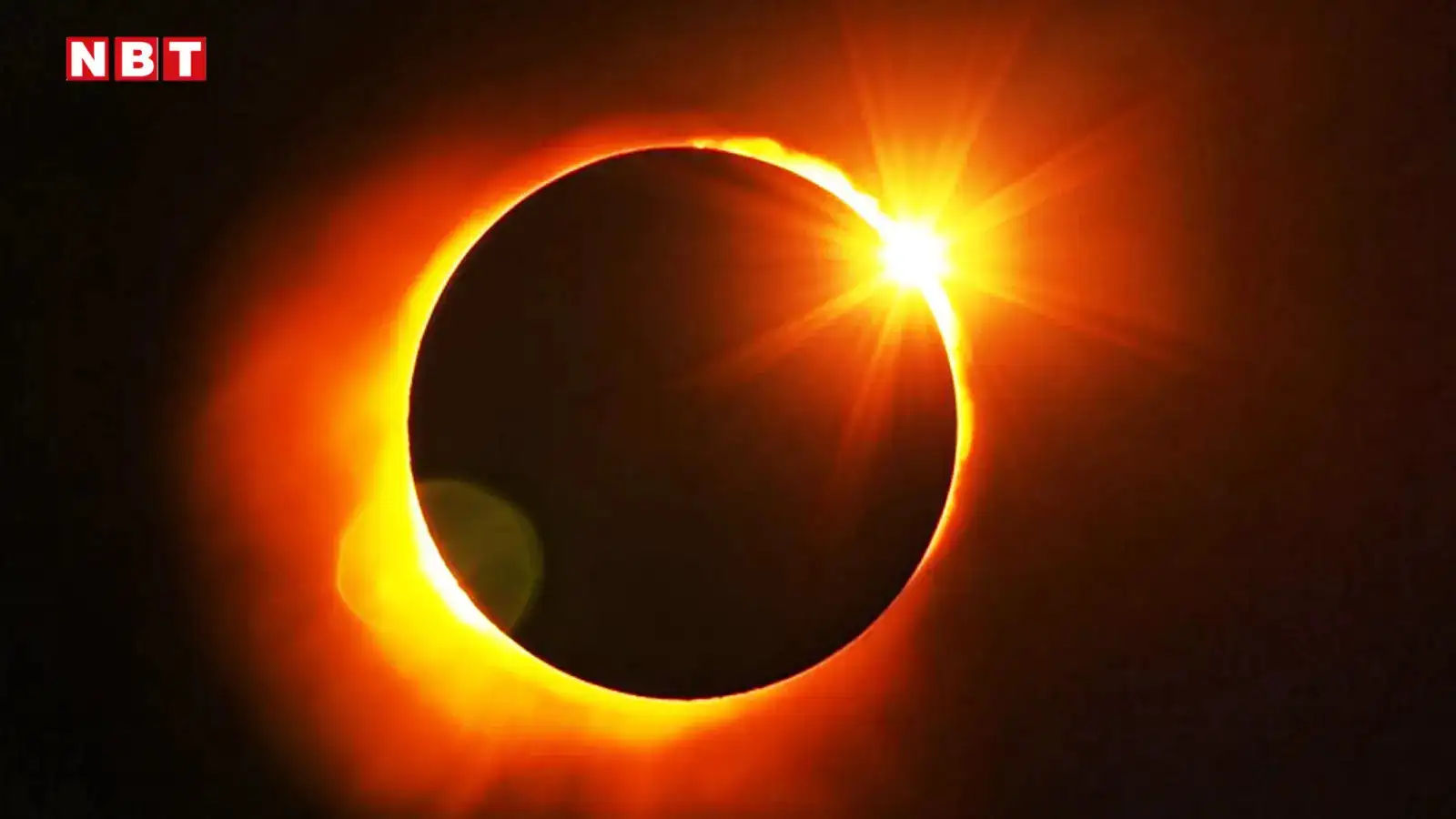
NASA has described the total solar eclipse expected on August 2, 2027, as the longest solar eclipse of the century. The event is notable because the last eclipse of comparable duration was seen in 1991, and the next one of similar length is not expected until 2114. That makes the 2027 eclipse a rare astronomical moment drawing major interest from eclipse watchers around the world.
The eclipse is one of three total solar eclipses that will be visible on Earth between 2026 and 2028. The first will occur on August 12, 2026, followed by the much longer eclipse on August 2, 2027. Both are expected to offer dramatic views of the Sun’s corona, but the 2027 event stands out for its exceptional duration and visibility across a wide region.

According to NASA’s calculations, the maximum totality of the August 2, 2027 eclipse will last 6 minutes and 23 seconds. This will make it the longest total solar eclipse of the 21st century. During totality, the Moon will completely cover the Sun’s disk, and daylight will dim into a deep twilight-like darkness for several minutes. For many observers, the experience will be one of the most memorable celestial events in a lifetime.
The eclipse path will begin over southern Spain before moving across North Africa and into the Middle East. Some of the best viewing conditions are expected in Tunisia and Egypt. In Egypt, the city of Luxor is expected to be one of the most significant viewing locations, with totality lasting about 6 minutes and 19 seconds. The presence of famous ancient sites such as Karnak Temple and the Valley of the Kings adds to the appeal of observing the eclipse there.
The unusual length of the eclipse is tied to orbital geometry. A solar eclipse occurs when the Moon moves between the Sun and Earth, blocking the Sun’s light. The closer the Moon is to Earth, the larger it appears in the sky and the longer it can cover the Sun completely. On August 2, 2027, the Moon will be near perigee, its closest point to Earth, allowing it to obscure the Sun for an extended period.
The eclipse will also occur in a location where the Sun is nearly overhead, which adds extra seconds to the total duration of darkness at the center line. This combination of a relatively large apparent Moon and favorable alignment makes the 2027 eclipse especially rare. Astronomy enthusiasts, scientists, and travelers are already paying close attention to the event, which is being seen as a once-in-a-century opportunity to witness one of nature’s most striking spectacles.

/https://i.s3.glbimg.com/v1/AUTH_da025474c0c44edd99332dddb09cabe8/internal_photos/bs/2026/h/L/S5NfUbRPyhCXFiyKwY1Q/famosos-2026-05-25t103742.116-1-.jpg "Meghan Markle reveals Harry and the children’s surprising favorite at home")