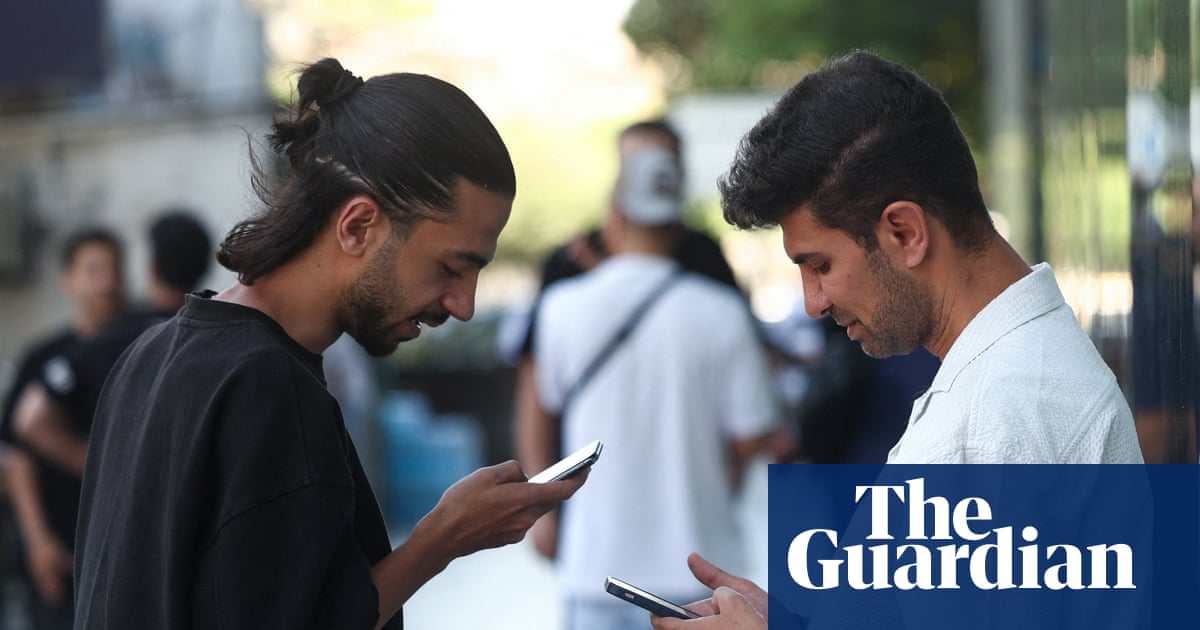
After 88 days of a near-total internet blackout, limited connectivity returned in Iran on Tuesday evening, bringing a flood of delayed messages, images and poems to phones and social media accounts. But the first reaction across the country was not celebration. Many users expressed skepticism, fear and anger, saying the partial restoration did not amount to real freedom.
Tehran residents and others described emotional first moments back online, with some reconnecting to music, friends and family after weeks of isolation. One artist said she and her husband cried when they were able to access the internet again, calling it a small glimpse of a larger freedom they hope will come after the fall of the current regime. Others, however, saw the restoration as superficial and politically motivated rather than meaningful.

A photographer in Tehran said the partial return was “nauseating” because it was being treated by some as a victory. She said mobile internet still did not work properly, WhatsApp remained barely usable, and only VPN access had become somewhat easier. For many, the internet blackout had lasted so long that it had damaged their ability to work, communicate and survive financially. Some said they had been forced to borrow money from family after losing assignments and income.
Authorities had first imposed the blackout on January 8 during a crackdown on nationwide anti-government protests. Connectivity was eased in February, then cut again after US and Israeli strikes on Iran later that month. Since then, only a small number of people could go online sporadically through expensive VPN services or satellite internet, while most remained cut off from digital life. The return of partial access allowed some Iranians to post on social media for the first time in weeks, describing the experience as though they were temporarily released from prison.
The government has said its “internet pro” plan is meant to meet business needs in certain sectors, but many citizens suspect it will lead to tighter monitoring rather than a genuine reopening. Some activists fear the move is designed to push users into more easily controlled networks, with expanded surveillance replacing free access. Those concerns have deepened mistrust among people already exhausted by prolonged restrictions, arrests and conflict.
As connectivity returned, social media feeds filled with grief and trauma. Users shared videos of funerals, mourning mothers, destruction from war and photos of relatives killed or executed. Many said scrolling through the material left them in tears and forced them to confront the scale of loss caused by the protests, the crackdown and the war. One professor in Tehran said the online return did not restore hope, but instead brought back the country’s suffering. He said Iranians had lost livelihoods, youth and trust in the international community.
Some humor also resurfaced online, but it was bitter and disillusioned. Users blamed political leaders and said the regime had won a public relations battle even among opponents of the government. For Iranians abroad, seeing friends and relatives reconnect brought both relief and dread, as they worried about those still missing offline and feared they may have been arrested or killed.
In the end, many Iranians said the return of the internet exposed how much had already been lost.


/https://i.s3.glbimg.com/v1/AUTH_ba3db981e6d14e54bb84be31c923b00c/internal_photos/bs/2026/h/Q/JK5M7DRBiT2DwwD0inQA/lore-e-leo.jpg "Lore Improta anuncia o nascimento do segundo filho com Léo Santana")

