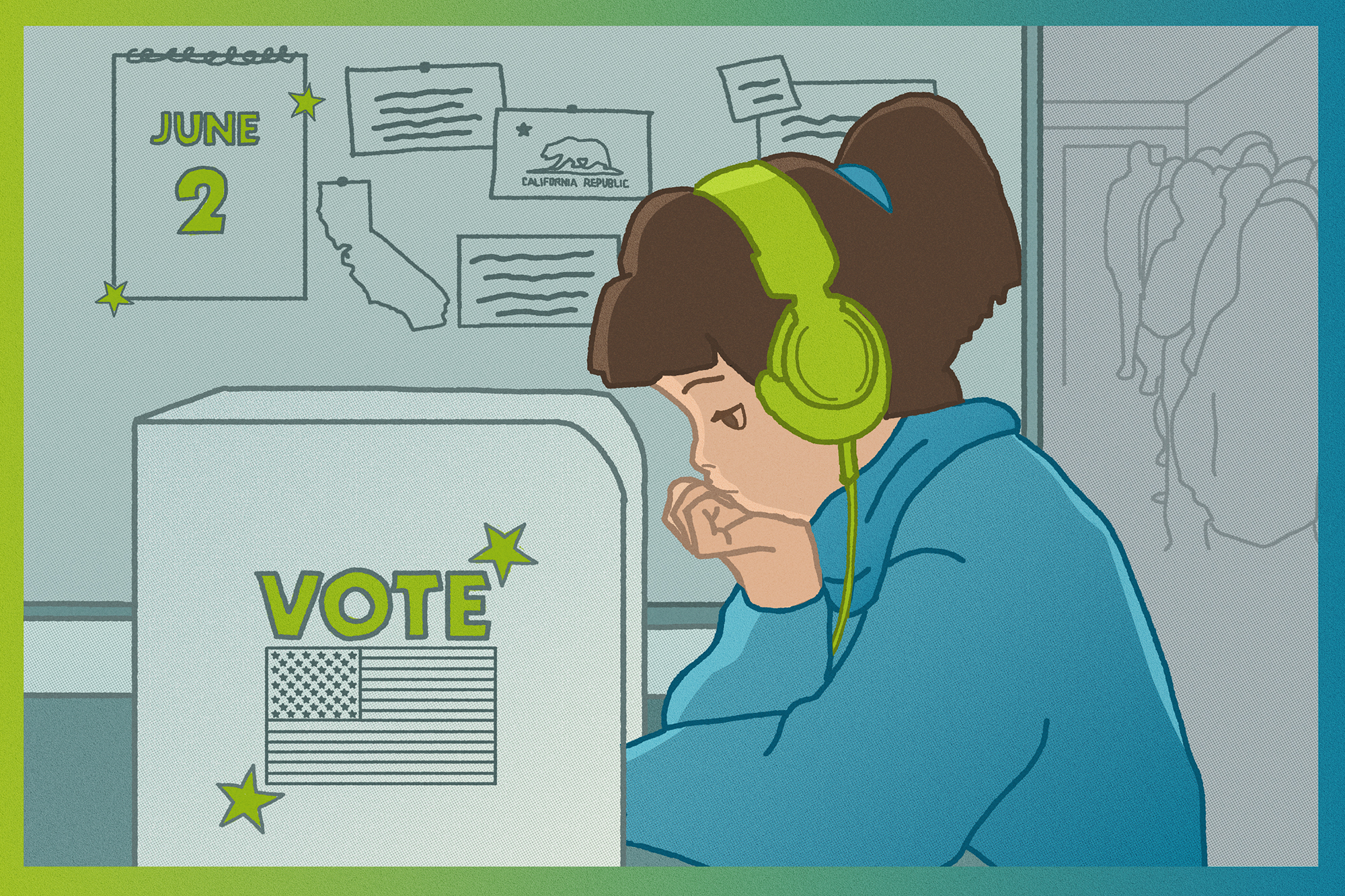
California voters are approaching a wide-open governor’s race as Election Day nears, with no clear frontrunner and a crowded field competing for two spots in the general election. Xavier Becerra, Steve Hilton and Tom Steyer are among the candidates drawing the most attention in recent polling, while the race remains competitive across party lines. The election is drawing strong interest because several high-profile Democrats chose not to run, including former Vice President Kamala Harris and U.S. Sen. Alex Padilla. Democratic voters briefly rallied around former Rep. Eric Swalwell, but he later withdrew after allegations of sexual misconduct.
The candidate list includes former U.S. Health and Human Services Secretary and California Attorney General Xavier Becerra, Riverside County Sheriff Chad Bianco, former Fox News host and conservative adviser Steve Hilton, San Jose Mayor Matt Mahan, former U.S. Rep. Katie Porter, billionaire entrepreneur and former presidential candidate Tom Steyer, State Superintendent of Public Instruction Tony Thurmond, and former Los Angeles Mayor and Assembly Speaker Antonio Villaraigosa. California’s open primary system means the top two vote-getters, regardless of party, will advance to November’s general election. Voters approved this system through Proposition 14 in 2010 in an effort to encourage candidates to appeal beyond their party bases and reduce political polarization, though critics have long argued it can narrow voter choice and potentially send two candidates from the same party into the general election.

A recent Democratic Party poll showed Hilton at 22%, Becerra at 21%, and Steyer at 15%, underscoring how unsettled the race remains. With ballots already mailed to voters, officials are urging Californians not to wait until the last minute. Mail-in ballots must be postmarked on or before Election Day and received by election offices within seven days after the election. Voters are advised to mail ballots by Thursday, or at least five days before June 2, to improve the chances they are counted on time. If mailing close to the deadline, voters should ask for a hand-stamped postmark from a postal worker at their local post office.
Voters can also use ballot drop-off locations or cast ballots in person on Election Day, when polls will be open from 7 a.m. to 8 p.m. Counties must begin reporting results to the secretary of state on Election Night no more than two hours after counting starts. Final county results are due within 30 days, and the secretary of state has 38 days to certify the election.
Beyond the governor’s race, California voters are also deciding other statewide offices, including seats on the Board of Equalization, the state’s elected tax board. Created in 1879, the board has limited authority over property tax collection but has historically served as a stepping stone to higher office. This year, the Board of Equalization races are expected to be especially competitive, with three current state lawmakers on the ballot.