Carl Kurlander reflects on the life and legacy of actor James Handy, the veteran character actor known for roles in films and television including The Verdict, Taps, Arachnophobia, Jumanji, Logan, The West Wing, Top Gun: Maverick and many others. Kurlander says the online coverage of Handy’s violent death in Tarzana, California, focused heavily on the shocking circumstances and a 911 call made by the attacker, but did not fully honor the person Handy was: a talented, humble, gracious, and deeply decent artist whose work embodied empathy and humanity.
The piece recalls Kurlander’s personal connection to Handy, beginning when his mother met him in New York during her pursuit of acting. Kurlander says seeing Handy perform in All My Sons inspired him as a young pre-med student at Duke and helped awaken his own creative ambitions. He also notes that Handy’s performances were shaped by his own life experience, including his service in the Vietnam War with the 196th Light Infantry Brigade, where he endured intense combat before returning home as a pacifist with a strong sense of compassion.
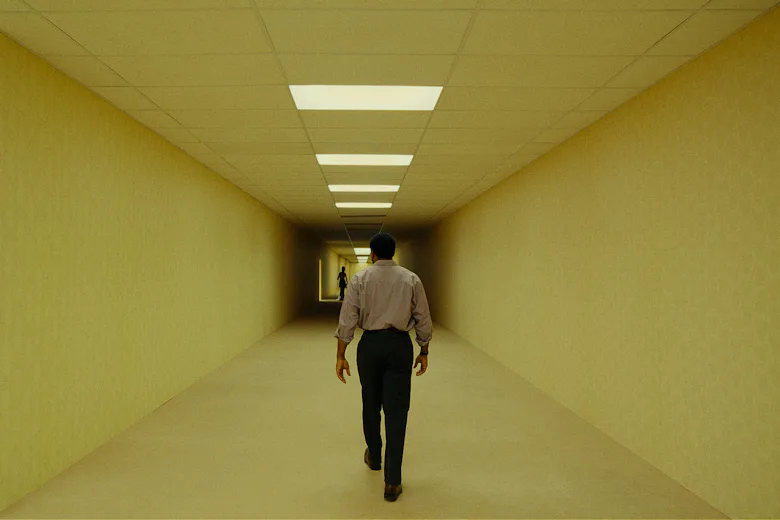

Kurlander highlights Handy’s career as that of a classic character actor, someone whose name may not have always been widely known but whose presence strengthened every project he appeared in. He points to Handy’s breakout role in The Verdict, where he acted opposite Paul Newman and delivered a performance that earned him recognition as an authentic screen presence. Over the decades, Handy accumulated more than 140 film and television credits, often playing priests, doctors, lawmen, blue-collar workers, or morally complicated figures, always with grounded sincerity.
The essay emphasizes Handy’s generosity offscreen as well. Kurlander recalls staying in Handy’s New York apartment during a difficult period in his own career and describes it as a sparse, book-filled space that reflected the actor’s asceticism and devotion to his craft. Handy is remembered not only for his professionalism but also for his quiet support of others, his warmth, and his refusal to seek attention for himself.
Beyond the personal tribute, the column argues that Handy represented a kind of actor whose role in Hollywood is increasingly threatened. Kurlander warns that the rise of streaming and artificial intelligence could erase the middle class of working performers — the journeyman actors who bring depth, texture, and emotional truth to film and television. He suggests that Handy’s career stands for the value of human performance in an industry at risk of becoming flattened and less authentic.
Kurlander also calls for a more humane response to mental illness, noting that the person accused of killing Handy was schizophrenic and that such suffering cuts across political and geographic lines. He rejects the cynical, partisan commentary that followed the killing and instead frames the tragedy as a moment to practice decency and compassion.
In closing, he proposes a James Handy Award from the Academy to honor unsung character actors whose work reflects humility, empathy, kindness, and craft. The essay concludes as both an obituary and a defense of character acting itself, urging readers to remember Handy not for the violence surrounding his death but for the life, work, and humanity he brought to every role.