Rhode Island lawmakers have approved legislation aimed at protecting access to routine childhood and adult vaccines by requiring state-regulated health insurers to cover vaccines recommended by the Rhode Island Department of Health without cost-sharing. The measure, sponsored by Senator Linda Ujifusa and Representative Susan Donovan, now goes to Governor Dan McKee for consideration. If signed, it would establish a clear state framework ensuring that recommended vaccines remain accessible and affordable for Rhode Islanders under private insurance, Medicaid, and state employee plans.
Supporters said the bill is intended to preserve public health protections amid growing national uncertainty over vaccine policy. Ujifusa said the state must act to prevent cost and confusion from becoming barriers to vaccination, pointing to recent measles outbreaks in the United States as evidence of the risks of weakening vaccine access. Donovan said vaccines have been one of the greatest successes in public health and argued that Rhode Island should continue relying on sound medical science when setting coverage policy.


The legislation comes at a time of heightened debate over federal vaccine guidance. Backers said Rhode Island should retain authority to move quickly and independently if federal recommendations change. The bill mirrors steps taken by other states, including Massachusetts, and is designed to ensure that vaccines recommended by RIDOH remain covered without out-of-pocket costs.
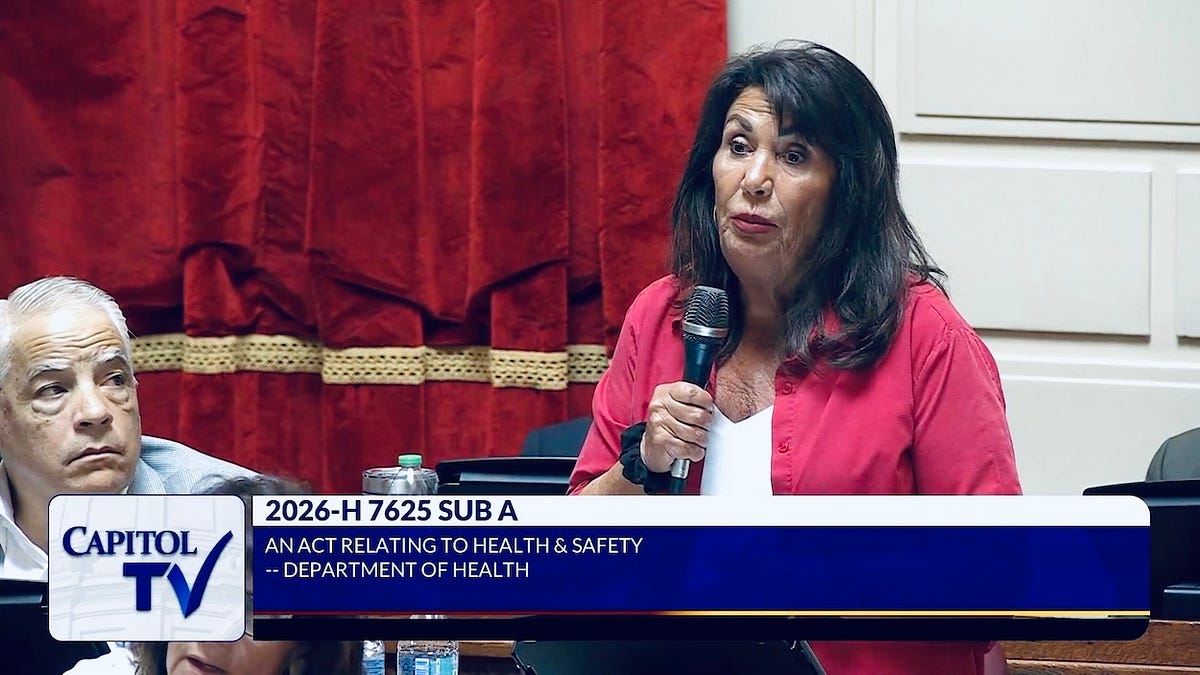
The measure also sparked sharp disagreement during floor debate. Opponents argued that the bill gives too much power to the state health director and could lead to higher insurance costs if vaccine recommendations change. Representative Charlene Lima criticized the bill as expensive and unnecessary, warning that it could force insurers to cover vaccines based on decisions made by a single official rather than broad national scientific panels. She said the proposal could ultimately raise premiums for consumers.
Supporters countered that the bill does not create a new burden on families and that coverage decisions would still be informed by medical experts and an advisory process. Representative David Morales said the legislation expands access to healthcare and prevents residents from being priced out of recommended vaccinations. Representative Megan Cotter noted that Blue Cross had submitted a letter of support, arguing that the bill would not increase costs and could save money over time. Representative Teresa Tanzi and others defended the Department of Health’s role, saying Rhode Island should trust state medical expertise over shifting federal politics.
In the Senate, Ujifusa said vaccines remain the single greatest public health achievement in human history and warned that recent federal changes have already had consequences. She said the bill also helps shield Rhode Island physicians from out-of-state litigation when they follow established medical guidance. Senator Jessica de la Cruz said she would vote yes despite dismissing some of the debate as fearmongering. Senator Elaine Morgan asked whether flu and COVID vaccines were included, and Ujifusa confirmed they are covered when recommended by the Department of Health.
The House passed the bill by a vote of 54 to 14, while the Senate approved it 37 to 1.